
George W. Campbell
George Washington Campbell (1769–1848) was an American statesman from Tennessee who served in the U.S. House, chaired Ways and Means, acted as an impeachment manager, and later held national financial and diplomatic posts.
Overview
George Washington Campbell (February 9, 1769 – February 17, 1848) was an American lawyer and politician from Tennessee who played multiple roles in the early federal government. He earned recognition as a legislator in the U.S. House of Representatives, where he led important fiscal debates as chairman of the House Ways and Means Committee, and as a congressional manager in impeachment proceedings that tested constitutional boundaries between the branches of government. Over the course of his career he also served in national executive and diplomatic positions, reflecting the fluid movement of officeholders in the early republic. Contemporary accounts commonly describe him as a statesman of the Jeffersonian era.
Image gallery
4 Images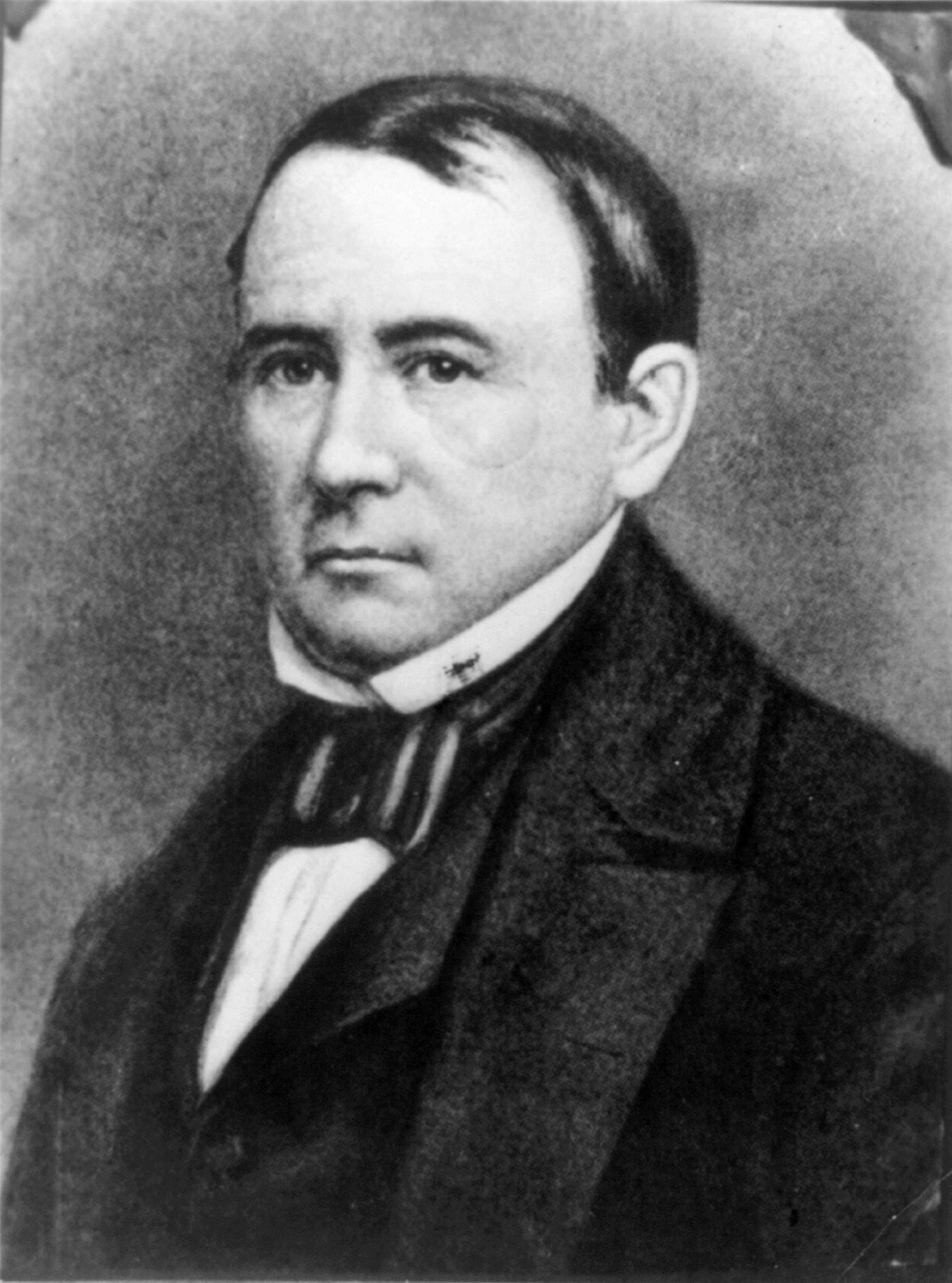


Early life and legal career
Campbell trained in the law before moving into public life in Tennessee. Like many early American public figures, his professional background combined legal practice with participation in state and national politics. He established a reputation locally that enabled his entry into federal service and involvement in high‑profile congressional activity.
Service in the U.S. House
He was elected to the United States House of Representatives as a Representative from Tennessee's at‑large congressional district and served during the early 1800s. Campbell sat in the 8th, 9th, and 10th United States Congress, participating in debates about federal finance, trade policy, and the scope of national authority. Records of the period identify him with the Republican (Jeffersonian) political coalition and with efforts to shape fiscal policy through congressional committees and legislation. His membership in the House of Representatives is noted in contemporary lists of federal officeholders and institutional histories of the House.
Committee leadership and impeachment work
During his tenure Campbell rose to chair the influential House committee responsible for revenue matters, the Ways and Means Committee, where he engaged with questions of taxation, tariffs, and public expenditures. In 1804 he was appointed one of the congressional managers to conduct the impeachment proceedings first against Judge John Pickering of New Hampshire and later against Associate Justice Samuel Chase of the United States Supreme Court. Those trials were central to early American debates over judicial independence, the proper uses of impeachment, and the relationship of the national judiciary to political majorities. The Pickering and Chase matters are frequently cited in studies of impeachment precedent and early constitutional practice (Pickering, Chase), and in discussions of the evolving role of the Supreme Court.
Later national roles and legacy
After his House service, Campbell continued in public roles at the national level. He accepted appointments that brought him into federal fiscal administration and into diplomatic service abroad, demonstrating the era's common pattern of alternating legislative, executive, and diplomatic responsibilities. Historians regard him as representative of early republic statesmen who combined legal training with practical administration. His career is often highlighted for its contributions to fiscal debate in Congress and for his participation in the impeachment cases that helped define constitutional limits on removal and judicial accountability.
Notable facts
- Served multiple terms in the U.S. House of Representatives and chaired the House Ways and Means Committee.
- Acted as a congressional manager during impeachment trials involving Judge John Pickering and Justice Samuel Chase.
- Later held national appointments in financial administration and diplomatic service, reflecting the multi‑faceted careers of early American leaders.
- His public service illustrates tensions in the early republic over judicial independence, congressional power, and the development of federal fiscal policy.
For further research consult specialized biographies and collections of congressional history that treat Campbell's legislative work, the impeachment proceedings of the early 1800s, and the formative debates on federal finance and the separation of powers.
Questions and answers
Q: Who was George Washington Campbell?
A: George Washington Campbell was an American statesman who served in the United States House of Representatives from 1805-1809.
Q: What congressional district did he represent?
A: He represented Tennessee's at-large congressional district.
Q: During which Congresses did he serve in the House?
A: He served in the 8th, 9th, and 10th Congresses.
Q: What position did he hold during the 10th Congress?
A: During the 10th Congress, he was the chairman of the Ways and Means Committee.
Q: What impeachment hearings did he help conduct in 1804?
A: In 1804, he helped conduct impeachment hearings for John Pickering, judge of the United States District Court for the District of New Hampshire, and Samuel Chase, Associate Justice of the Supreme Court of the United States.
Author
AlegsaOnline.com George W. Campbell Leandro Alegsa
URL: https://en.alegsaonline.com/art/138836