
George W. Beadle: architect of the gene-to-enzyme connection
American geneticist George W. Beadle (1903–1989) established the link between genes and metabolic enzymes with the "one gene, one enzyme" idea, a foundation for molecular genetics and biochemical genetics.
Overview
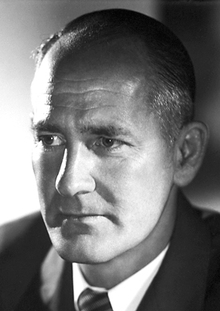
George Wells Beadle (October 22, 1903 – June 9, 1989) was an American geneticist whose experiments helped transform genetics into a mechanistic biological science. He shared the 1958 Nobel Prize in Physiology or Medicine with Edward Tatum; the award that year was also associated with Joshua Lederberg, who independently worked on related questions in bacterial genetics. Beadle's work made a clear connection between hereditary units and the chemical reactions that sustain life.
Image gallery
5 Images


Experiments and the key idea
Working with the filamentous fungus Neurospora crassa, Beadle and Tatum used ionizing radiation, notably x-rays, to increase the frequency of detectable genetic mutations and then screened for strains that lost the ability to synthesize particular nutrients. By growing mutants on minimal media and supplying defined supplements, they identified strains that required specific compounds to grow. Tracing these nutritional requirements to broken steps in biosynthetic pathways, they demonstrated that many mutations disrupted individual enzymes responsible for single biochemical steps.
From these results Beadle and collaborators formulated the concise idea often phrased as "one gene, one enzyme." More cautiously stated, their work showed that genes determine specific functions in biochemical synthesis within cells, providing an operational bridge between genetics and metabolism.
Refinement and historical context
The original formulation was intentionally simple and productive as a research heuristic. Later molecular and biochemical studies refined it: many genes specify polypeptide chains rather than whole enzymes, proteins can be composed of multiple subunits encoded by different genes, and some gene products are not enzymes at all. Nevertheless, the Beadle–Tatum experiments established the empirical framework that allowed researchers to ask how DNA sequence ultimately specifies protein structure and function.
Scientific and practical impact
Beadle's approach—using induced mutations, defined media, and careful physiological tests—became a model for genetic analysis. It enabled genetic mapping of metabolic pathways, the interpretation of hereditary disorders as enzymatic or metabolic defects, and the design of genetic screens in other organisms. The conceptual link between genes and biochemical events influenced the development of molecular genetics, biotechnology, and clinical approaches to enzyme deficiency diseases.
Legacy
Beyond the Nobel Prize, Beadle's lasting contribution is methodological and conceptual: he showed how simple, well-controlled experiments could reveal deep biological principles. His work is regularly cited in histories of genetics and in modern textbooks as a turning point that helped move the field from descriptive heredity to a mechanistic, molecular understanding of gene function.
- Major contribution: Demonstrated experimentally that genes control specific biochemical reactions.
- Model organism: Neurospora crassa used for mutagenesis and nutritional assays.
- Conceptual evolution: From "one gene, one enzyme" to the modern understanding of genes encoding polypeptides and regulatory elements.
For background reading and related topics, see entries on the role of the gene in cellular chemistry, experimental approaches to biochemical synthesis, and the use of model organisms such as Neurospora crassa. Historical accounts of x-ray mutagenesis and genetic screens clarify how induced mutations were linked to specific defects in enzymes and metabolic steps.
Related names and subjects: Edward Tatum, Joshua Lederberg, studies in bacterial genetics, mechanisms in cells, the historical slogan "one gene, one enzyme", and the role of the modern geneticist in linking genotype to phenotype.
Questions and answers
Q: Who is George Wells Beadle?
A: George Wells Beadle was an American geneticist.
Q: What did George Wells Beadle win the Nobel Prize in Physiology or Medicine for?
A: George Wells Beadle won the Nobel Prize in Physiology or Medicine with Edward Tatum; they shared the prize with Joshua Lederberg, who worked with Tatum on bacterial genetics.
Q: What did Beadle and Tatum discover?
A: Beadle and Tatum discovered the role of genes in regulating biochemical synthesis in cells.
Q: What were Beadle and Tatum's key experiments?
A: Beadle and Tatum's key experiments involved exposing the bread mould Neurospora crassa to x-rays, causing mutations.
Q: What did Beadle and Tatum show in their experiments?
A: In a series of experiments, Beadle and Tatum showed that mutations caused changes in specific enzymes involved in pathways making proteins.
Q: What did Beadle and Tatum propose?
A: Beadle and Tatum proposed a direct link between genes and enzymatic reactions, known as the "one gene, one enzyme" hypothesis.
Q: What is the "one gene, one enzyme" hypothesis?
A: The "one gene, one enzyme" hypothesis is a direct link between genes and enzymatic reactions proposed by Beadle and Tatum in their experiment.
Author
AlegsaOnline.com George W. Beadle: architect of the gene-to-enzyme connection Leandro Alegsa
URL: https://en.alegsaonline.com/art/138814