
Sir Ganga Ram (1851–1927): Engineer, Builder and Philanthropist
Sir Ganga Ram was a leading Punjabi civil engineer and philanthropist in British India whose buildings, infrastructure and charitable institutions shaped modern Lahore and left a transnational legacy.
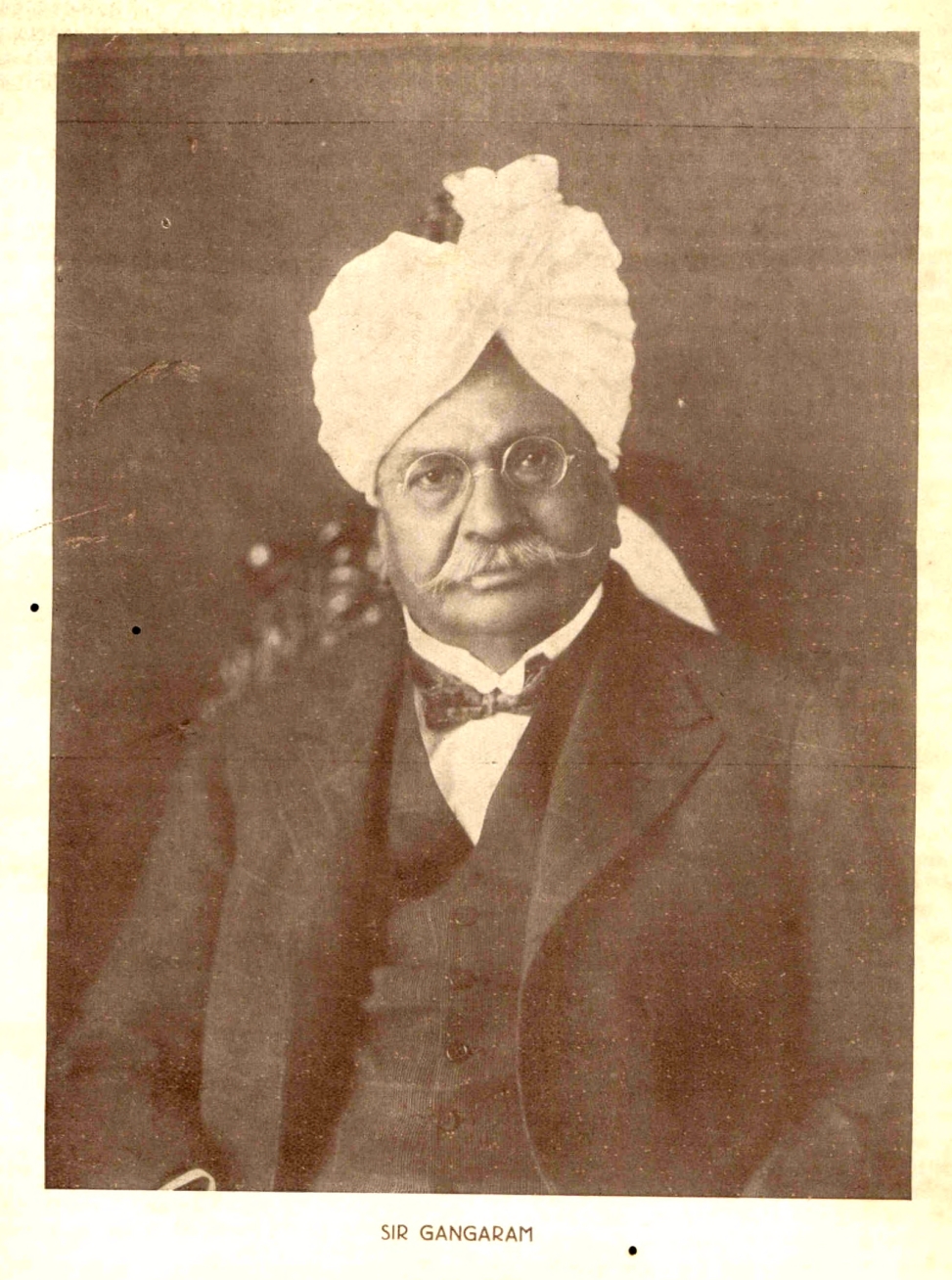
Sir Ganga Ram (1851–1927) was a prominent civil engineer and philanthropist associated with the Punjab in British India. Celebrated for combining technical skill with public-minded giving, he designed and oversaw a wide range of civic works, founded hospitals and schools, and invested in agricultural and industrial improvements. He remains widely remembered for his contributions to the urban landscape and public health of Lahore and for institutions that survive in South Asia.
Image gallery
10 Images





Early life and education
Ganga Ram was born in the village of Mangtanwala in the Punjab region, then part of British India and today in Punjab (Pakistan). He trained in engineering at one of the premier technical colleges of the era and entered public service in the provincial Public Works Department. His technical education and early government experience gave him the skills to manage large-scale projects and to introduce modern construction and sanitation methods.
Engineering works and urban projects
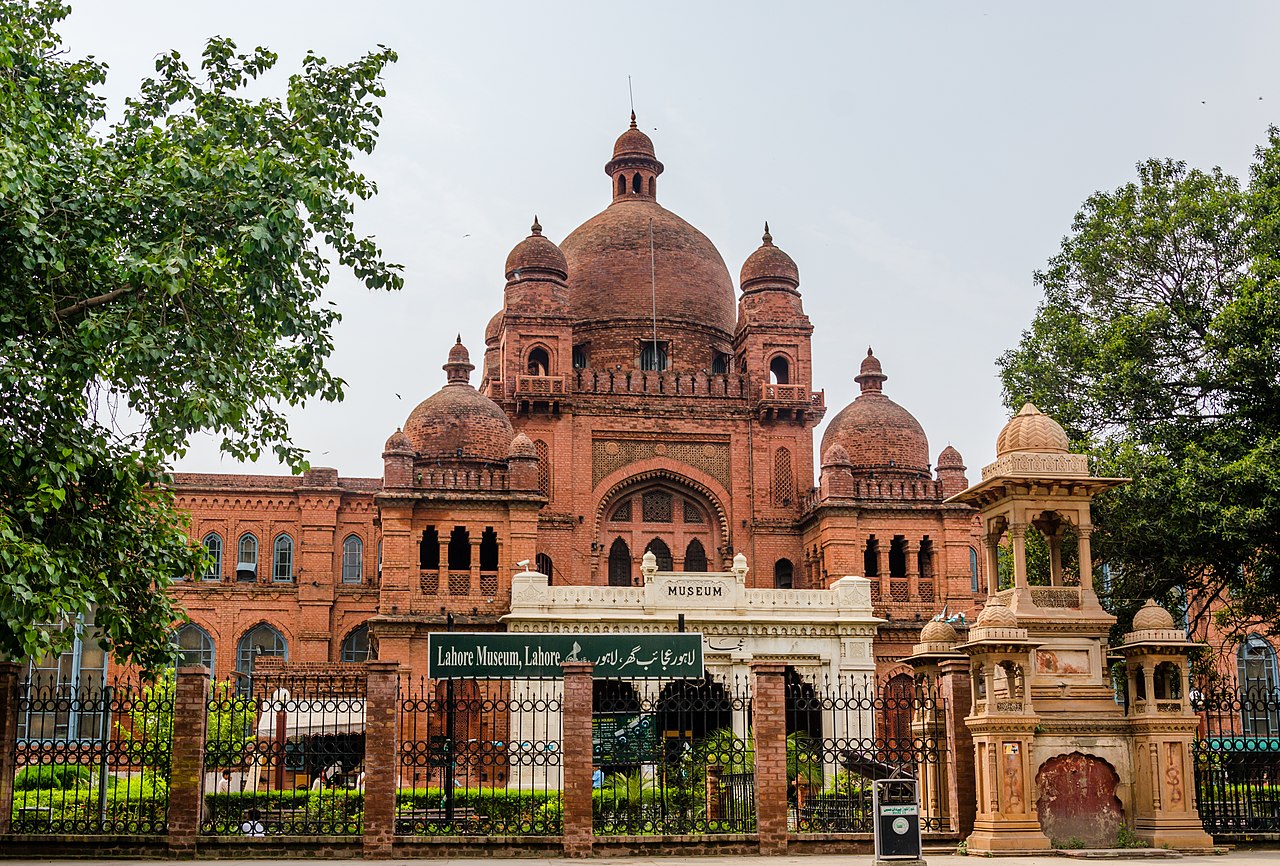
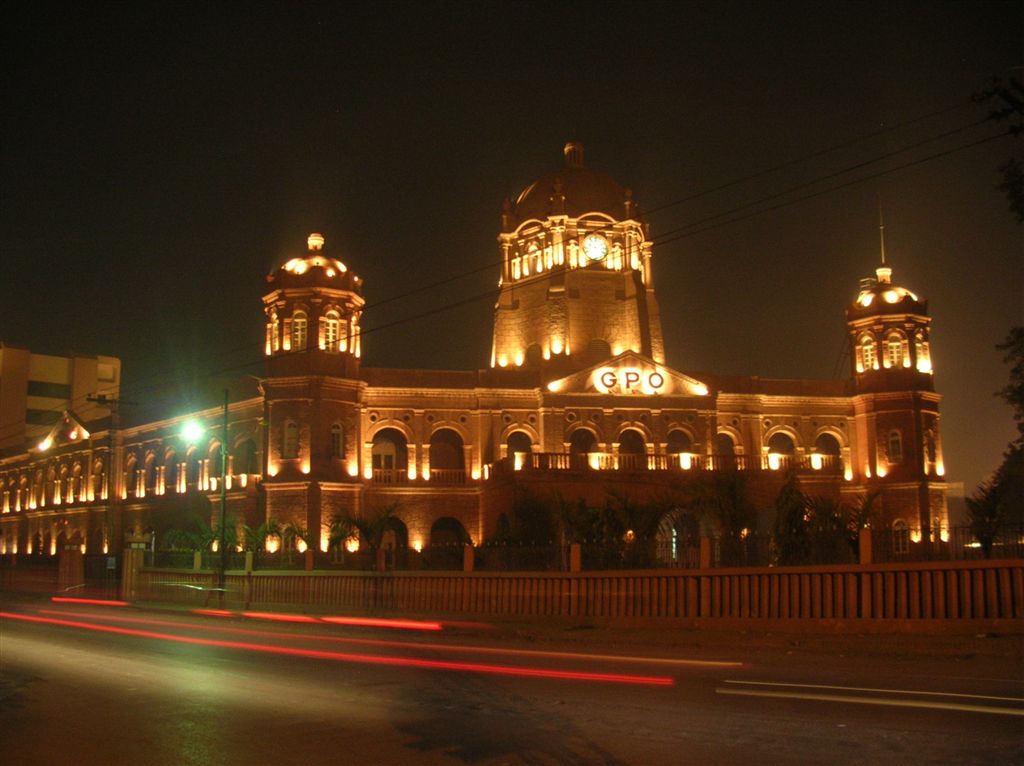
During a long career he planned and executed many types of works, from roads and bridges to public buildings and irrigation improvements. His architectural and engineering imprint was especially visible in Lahore, where he was responsible for civic structures and estate developments that combined utility with aesthetic design. Typical projects included:
- Public buildings and monuments that hosted administrative, educational or health functions.
- Civic infrastructure such as roads, drains and sewerage systems.
- Irrigation and agricultural improvements on experimental model farms.
Philanthropy and institutions
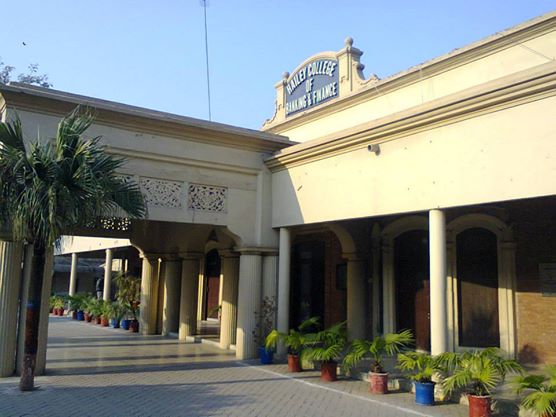
Ganga Ram used personal wealth accumulated from engineering, land and industrial ventures to establish hospitals, schools and charitable endowments. He donated land and funds for medical care, education and community welfare, and he took an active role in founding and managing those institutions. Several hospitals and colleges in the region bear his name, and a hospital in the Indian capital was later established in his memory by his descendants and supporters.
Honors, legacy and memory
He was knighted for his public service and is often cited as a formative figure in the modernization of Lahore. After his death in 1927, his name continued to be associated with healthcare, education and urban planning in both Pakistan and India. Historians and civic historians frequently describe him as a bridge between colonial-era engineering practice and local philanthropic traditions.
Notable facts and distinctions
- He combined technical expertise with a sustained personal commitment to charitable projects.
- His birthplace, Mangtanwala, is now in modern Pakistan and is often mentioned in biographical accounts (Mangtanwala).
- His work is connected to the wider history of the Punjab (Punjab) under British rule (British India), illustrating how local leaders shaped civic institutions during that period.
For readers seeking more detail, regional archives and institutional histories of hospitals and colleges named after him provide fuller accounts of specific buildings, dates and local impact.
Author
AlegsaOnline.com Sir Ganga Ram (1851–1927): Engineer, Builder and Philanthropist Leandro Alegsa
URL: https://en.alegsaonline.com/art/138720