
Gallup's List of Widely Admired People
An overview of Gallup's annual public-opinion lists of widely admired people, the poll's methods, notable editions (including a 1999 20th‑century list), typical patterns, uses and limitations.
Gallup's lists of widely admired people are recurring public-opinion tallies that identify individuals U.S. adults most frequently name when asked who they admire. Produced by the Gallup Organization, these lists are based on open-ended survey questions that solicit the names of people respondents admire most. Gallup publishes short-form results each year and occasionally produces special compilations that look back over longer periods.
Image gallery
10 Images


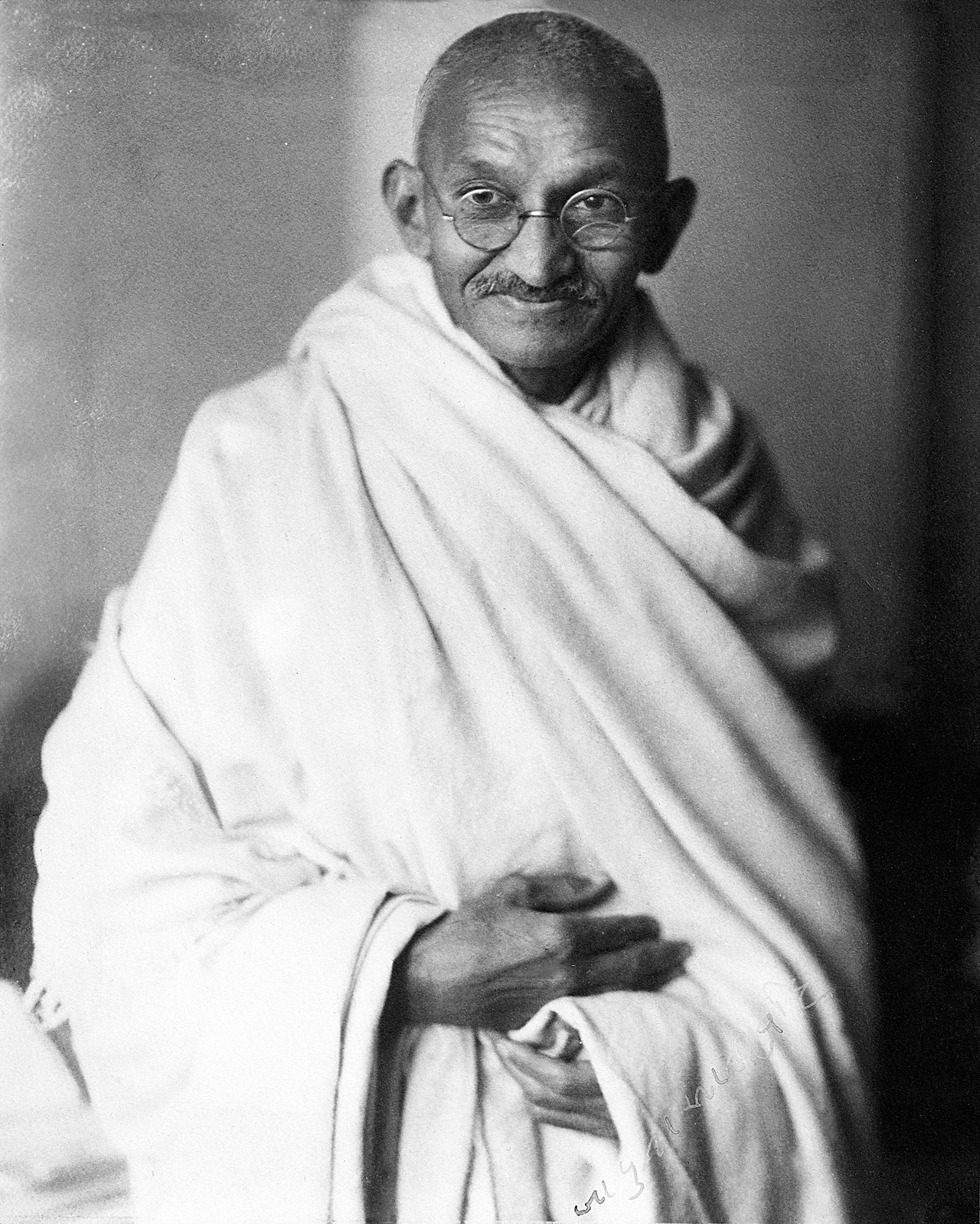



How the poll works
Rather than offering a set of choices, Gallup typically asks respondents to volunteer one name in response to a question about admiration. Polls are conducted with samples intended to represent U.S. adults; answers are recorded and aggregated by frequency. Because the question is open-ended, Gallup’s lists reflect spontaneous name recognition rather than selections from a provided roster. Some editions separate responses by gender (most admired man, most admired woman), while special reports may consider admired figures from an entire century.
In December 1999 Gallup produced a special list that identified a group of people from the 20th century whom Americans named as the most admired. That retrospective edition differed from the regular annual polls, which focus on people living at the time of the interview.
Typical patterns and categories
- Political leaders and heads of state frequently appear, reflecting the public prominence of elected officials.
- Civic and moral leaders—activists, religious figures, and humanitarians—often rank highly when they are widely known.
- Cultural figures (entertainers, athletes, authors) appear regularly, especially when they have recent media exposure.
Because the lists measure admiration rather than approval of specific policies, they can feature people admired for personal qualities, inspirational actions, or symbolic significance as well as for professional accomplishments.
Uses, significance and limitations
Gallup’s most‑admired lists are used by scholars, journalists and the public to gauge cultural prominence and the changing focus of popular esteem. They can reveal enduring reputations, spikes of admiration tied to events, and differences across demographic groups.
However, the results have clear limitations. Open‑ended name recall favors widely reported figures and those with strong name recognition; question wording, timing, and the nationally sampled population all influence outcomes. The lists do not measure the reasons for admiration in depth, nor do they quantify the intensity of feeling. As a snapshot of public sentiment, the lists are informative but should be interpreted alongside other measures of reputation and influence.
Author
AlegsaOnline.com Gallup's List of Widely Admired People Leandro Alegsa
URL: https://en.alegsaonline.com/art/138713