
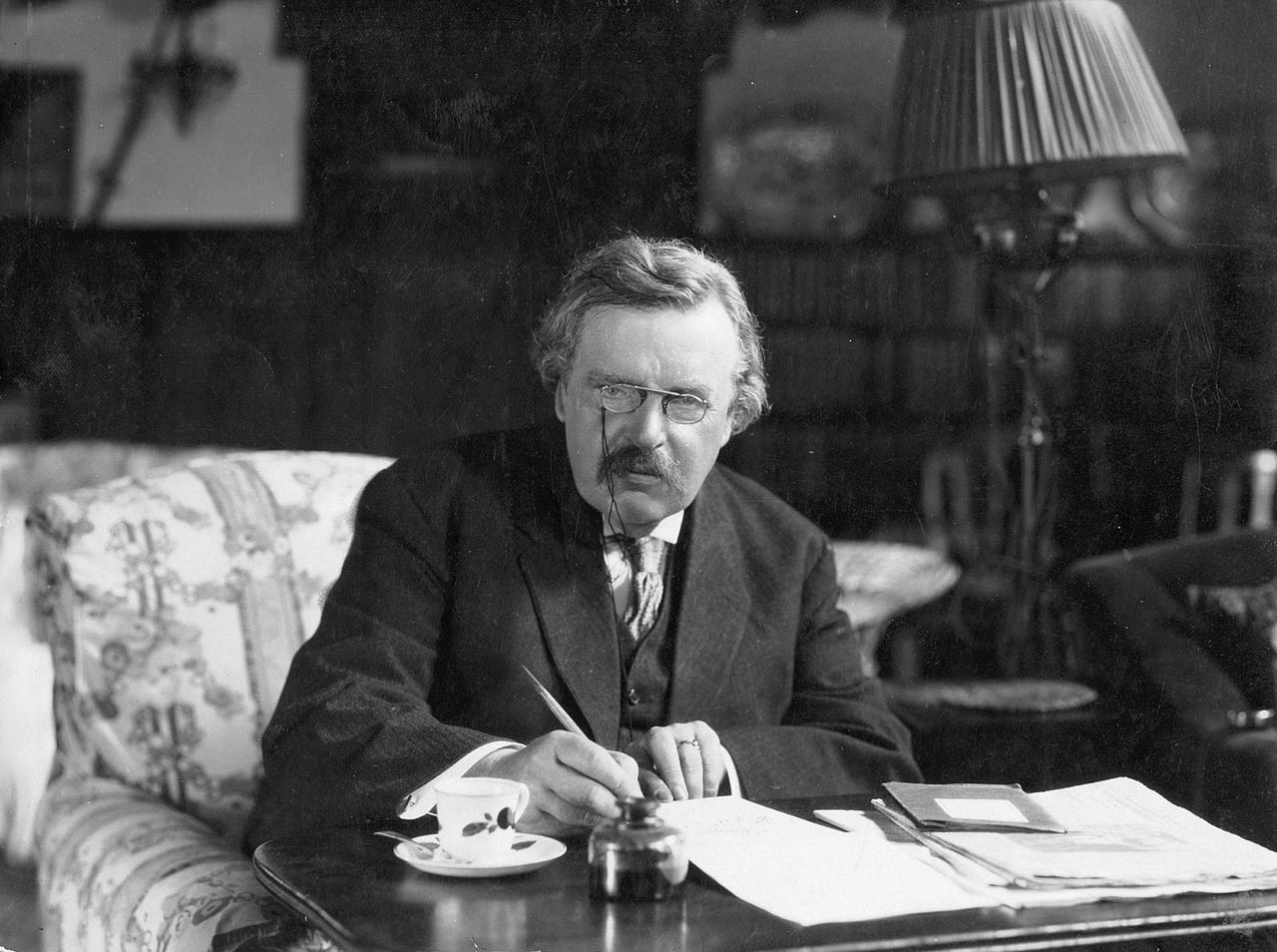
G. K. Chesterton (1874–1936): writer, critic, and cultural commentator
English writer and critic G. K. Chesterton (1874–1936) produced essays, novels, poetry and the Father Brown stories; celebrated for paradoxical wit, Christian apologetics, distributist ideas and influence on 20th‑century thought.
Overview
Gilbert Keith Chesterton (1874–1936) was a prolific English writer and public intellectual whose work spanned essays, poetry, novels, biography, literary criticism and short stories. He gained broad readership in the early 20th century for his lively style, imaginative plots and frequent use of paradox. Chesterton is widely remembered today for the Father Brown detective tales, a series that combines crime, moral observation and gentle humor.
Image gallery
10 Images




Major works and characteristic themes
Chesterton wrote across many genres but returned repeatedly to a few central concerns: the nature of common sense, the limits of modernity, and the spiritual dimensions of everyday life. Important titles often cited include:
- The Man Who Was Thursday – a metaphysical thriller blending surrealism and satire.
- Orthodoxy and The Everlasting Man – works of Christian apologetics and cultural history.
- The Father Brown stories – short detective tales featuring a humble priest who solves mysteries by understanding human nature.
Style, approach and public engagement
Chesterton’s writing is notable for brisk aphorisms, paradoxical reasoning and a fondness for accessible, conversational argument. He often combined literary criticism with social commentary, defending traditional institutions while criticizing both unrestrained capitalism and centralized socialism. Together with Hilaire Belloc he promoted distributism, an economic idea that favored widespread property ownership as a social ideal.
Influence and legacy
Chesterton influenced a range of later writers and thinkers, notably in Christian apologetics and imaginative fiction. Readers and scholars have praised his originality, capacity for wit, and ethical imagination. The Father Brown stories continue to be adapted for radio, television and stage, and his essays and books remain in print and in academic discussion.
Controversies and critical reception
While admired for intellectual vigor and creative energy, Chesterton’s work has been scrutinized for occasional stereotypes and remarks that modern readers find problematic. Critics note that some passages reflect prejudices of his time. Assessments of Chesterton therefore balance his literary and philosophical contributions with critical attention to parts of his legacy.
For introductions, collections and contemporary commentary see further reading and annotated editions that gather his essays, fiction and criticism.
Author
AlegsaOnline.com G. K. Chesterton (1874–1936): writer, critic, and cultural commentator Leandro Alegsa
URL: https://en.alegsaonline.com/art/138679