
Free Culture: openness, sharing, and the movement for freer creative works
Free culture advocates for broad public freedoms to use, remix and share creative works. It promotes open licensing and reduced restrictions so art and knowledge can circulate and be reused.
Overview
Free culture is a social and legal philosophy that encourages the widest possible freedom to copy, modify, and redistribute creative works. The movement challenges what its proponents see as excessively restrictive copyright rules and promotes alternatives that allow creators and the public to share and build on artistic, educational, and informational materials. The term "free" emphasizes liberty — the ability to act — rather than price.
Image gallery
1 Image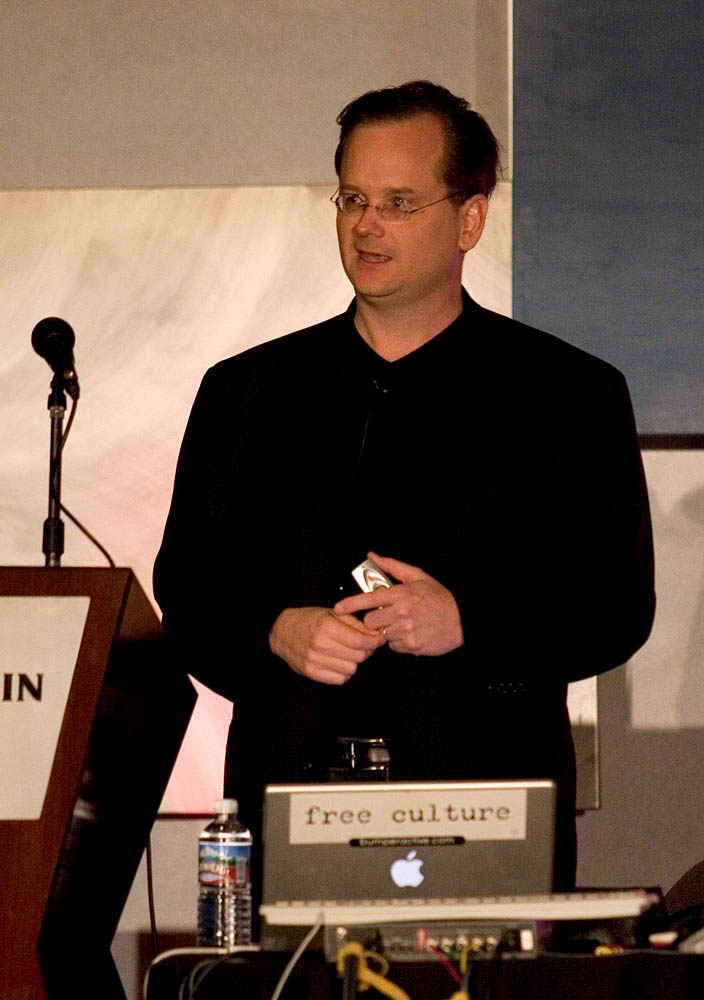
Key ideas and characteristics
At its core, free culture rests on a few interrelated principles: easing barriers to access, enabling remix and reuse, and protecting creators' rights to choose how their work is shared. Typical features include clear permissive licenses, attribution to original creators, and provisions that allow derivative works. Some licenses preserve the right to require that new works remain equally shareable.
- Freedom to use and redistribute copies.
- Freedom to study and modify a work.
- Freedom to make and share adaptations or remixes.
- Clear, machine-readable licensing statements.
Origins and influences
The modern free culture movement coalesced in the early 21st century around advocates for copyright reform and open licensing. Influential figures and organizations helped shape its vocabulary and tools: for example, Lawrence Lessig wrote about cultural and legal tensions and helped promote public debate, while Creative Commons developed a suite of licences that creators can use to grant specific freedoms. The movement draws conceptual inspiration from the free software movement, which argues that users should have broad practical control over the programs they use, and seeks to apply similar principles to music, images, text and other media.
Licensing, legal tools, and common models
Free culture relies on explicit licenses or public-domain dedications to make rights and permissions clear. Common approaches include public domain dedication (e.g., CC0) and permissive Creative Commons variants that require only attribution or that add a share-alike clause. By contrast, licenses that forbid commercial reuse or adaptations are considered non-free by many proponents because they limit important freedoms.
- Public domain / CC0 — no copyright barriers.
- Attribution (CC BY) — reuse allowed with credit.
- Share-alike (CC BY-SA) — derivatives must use the same terms.
Examples, uses, and cultural impact
Free culture practices appear in many projects and collections. Notable examples include openly licensed films such as independent animations and repositories of media files hosted by platforms like Wikimedia Commons. Collaborative encyclopedias such as Wikipedia rely on free-content licensing to allow global contributions, reuse, and translation. Free cultural works are used in education, journalism, art, and software, and enable remix culture where creators build new works from existing ones.
Distinctions, debates, and criticisms
Free culture is distinct from simply offering works for free of charge: it emphasizes legal freedoms. Debates within and around the movement include how to balance creators' economic incentives with public access, whether some restrictions (for example, moral rights or attribution) are necessary, and how to protect creators while enabling downstream reuse. Critics sometimes argue that overly permissive systems can reduce compensation for artists; advocates respond that open licensing can increase visibility, collaboration, and new forms of value.
For further reading on the philosophy and tools of free culture, see discussions by founding advocates and organizations and explore licensed collections to see how the ideas work in practice. For a quick look at how the concept applies to different media, consider searching for openly licensed art and creative works and reviewing the histories documented by prominent projects.
Questions and answers
Q: What is free culture?
A: Free culture is a concept and movement that encourages the sharing of artistic works without strict copyright laws.
Q: What does the word "free" mean in "free culture"?
A: The word "free" in "free culture" means "freedom", not price.
Q: Who is Lawrence Lessig?
A: Lawrence Lessig is the author of the book "Free Culture" and the founder of Creative Commons, an organization that supports free culture and education.
Q: What is Creative Commons?
A: Creative Commons is an organization that supports free culture and education.
Q: What is the difference between the free software movement and the free culture movement?
A: The free software movement focuses on software while the free culture movement focuses on all forms of artistic works such as images and songs.
Q: What are some examples of free cultural works?
A: Some examples of free cultural works include the movie "Big Buck Bunny" and files at Wikimedia Commons. Wikipedia is also considered part of free culture because it uses a free license for its articles.
Q: Why does the free culture movement believe that copyright laws are too strict?
A: The free culture movement believes that copyright laws limit the ability of people to share and create works freely.
Author
AlegsaOnline.com Free Culture: openness, sharing, and the movement for freer creative works Leandro Alegsa
URL: https://en.alegsaonline.com/art/138621