
Breakfast at Tiffany's (1961 film)
1961 romantic comedy-drama film adapted from Truman Capote's novella, starring Audrey Hepburn; noted for its fashion influence, the song 'Moon River', and enduring cultural impact.
Overview
Breakfast at Tiffany's is a 1961 American romantic comedy-drama film adapted from a 1958 novella by Truman Capote. The movie stars Audrey Hepburn as Holly Golightly and George Peppard as the unnamed writer who becomes involved in her life. The production was directed by Blake Edwards. Upon its release the film was both a commercial success and a source of ongoing discussion, winning two Academy Awards and earning multiple nominations.
Image gallery
6 Images




Story and characters
The plot follows Holly Golightly, a charming New York socialite with an ambiguous past, whose free-spirited lifestyle and nightly social rituals conceal deeper vulnerabilities. The male protagonist, a struggling writer, observes and grows close to Holly, providing a narrative point of view that frames much of the film's tone and irony. The cinematic Holly differs in important ways from Capote's original portrayal: the film softened several darker elements of the novella and emphasized romantic and comedic aspects to suit mainstream audiences of the time.
Production, style and controversies
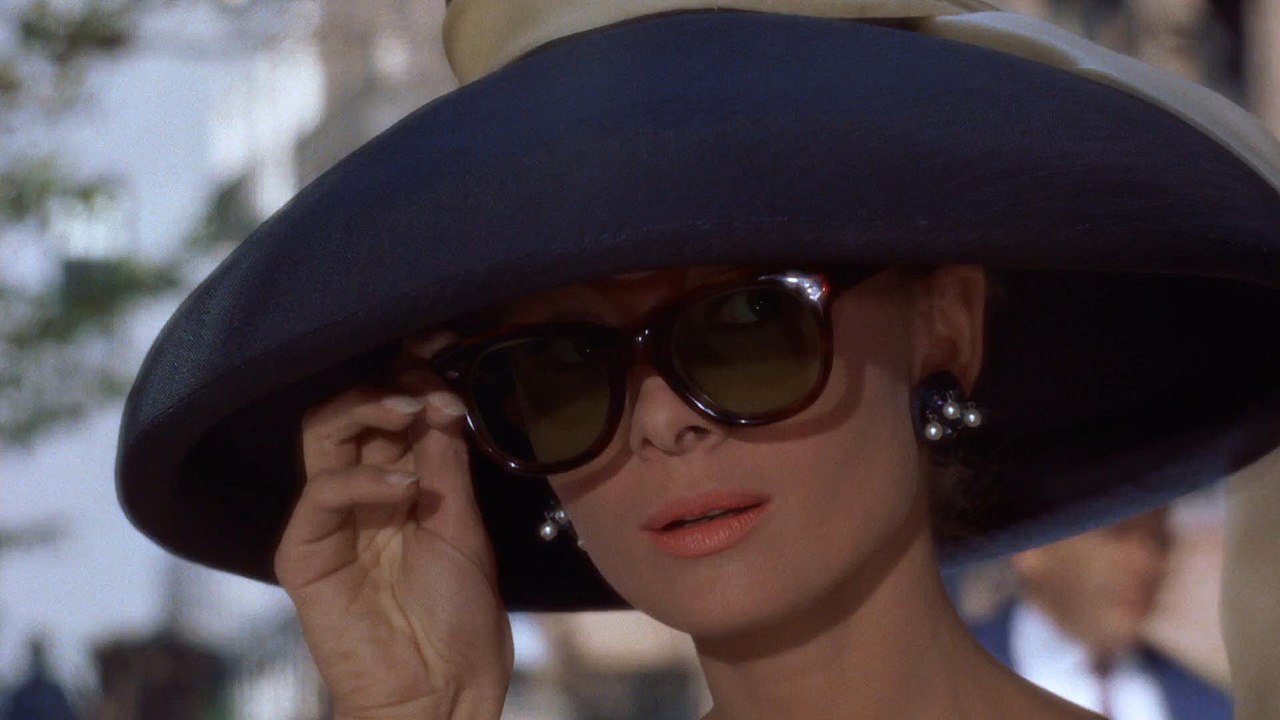
Blake Edwards' direction combined urbane comedy with musical elements, and the movie is notable for its elegant production design and costume work—Hepburn's black dress and accessories became emblematic of 1960s fashion. The film's soundtrack popularized the song "Moon River," which remains closely associated with the movie. Over time, some aspects of the film have generated criticism, most prominently the portrayal of a supporting character played in an exaggerated manner that many viewers and scholars have described as racially insensitive.
Reception and legacy
Critically and culturally, the film left a significant legacy. It helped solidify Audrey Hepburn's image as a style icon, influenced fashion and popular culture for decades, and made "Moon River" a standard in the American songbook. The picture was honored at the Oscars, taking home two awards and receiving several other nominations, which reinforced its standing in mainstream cinema. Directors and costume designers frequently cite the film when discussing mid-century style and screen persona construction.
Notable facts and distinctions
- The screenplay makes deliberate changes from Capote's novella, altering tone and certain character details to create a more romanticized film narrative.
- Blake Edwards, the film's director, is also known for later comic work, including the Pink Panther series.
- The film's awards and popular elements—music, fashion, and performance—continue to be discussed in histories of American cinema and style.
- Actors and creative personnel associated with the picture, such as Audrey Hepburn and George Peppard, remain linked to the project in biographies and retrospectives.
For further reading about the original author, adaptation choices, and critical perspectives on the film's cultural impact, consult sources that explore Capote's work, Hepburn's career, and Blake Edwards' filmography. Relevant reference points include studies of 1960s Hollywood, analyses of performance and costume design, and discussions of how adaptations reshape literary characters for new audiences.
romantic comedy-drama | Truman Capote | novella | Audrey Hepburn | George Peppard | Academy Awards | directed | Blake Edwards | Pink Panther
Questions and answers
Q: What is Breakfast at Tiffany's?
A: Breakfast at Tiffany's is a 1961 American romantic comedy-drama movie based on Truman Capote's novella and starring Audrey Hepburn and George Peppard.
Q: What is the movie based on?
A: The movie is based on Truman Capote's novella.
Q: Who stars in Breakfast at Tiffany's?
A: Audrey Hepburn and George Peppard star in Breakfast at Tiffany's.
Q: How many Academy Awards did the movie win?
A: The movie won two Academy Awards.
Q: How many Oscar nominations did the movie receive?
A: The movie was nominated for a total of five awards.
Q: Who directed the movie?
A: The movie was directed by Blake Edwards.
Q: What other movies did Blake Edwards direct?
A: Blake Edwards also directed seven Pink Panther movies.
Related articles
Author
AlegsaOnline.com Breakfast at Tiffany's (1961 film) Leandro Alegsa
URL: https://en.alegsaonline.com/art/13834