
Faustyna Kowalska (Saint Faustina) — Polish nun and mystic
Polish nun Helena Kowalska (1905–1938), known as Saint Faustina, recorded visions of Divine Mercy and inspired a widespread Catholic devotion, including the Divine Mercy image, chaplet and feast day.
Faustyna Kowalska, born Helena Kowalska (25 August 1905–5 October 1938), was a Polish religious sister and mystic whose reported visions and writings gave rise to the 20th‑century devotion called the Divine Mercy. She was born in Głogowiec and died in Kraków, in what is today Poland. After her death she became widely venerated in the Roman Catholic Church and was canonized as a saint.
Image gallery
10 Images






Life and vocation
Helena Kowalska entered religious life in her late teens and took the name Faustyna when she joined the Congregation of the Sisters of Our Lady of Mercy. As a nun she lived a relatively hidden, humble life, undertaking ordinary convent duties while maintaining a deep spiritual practice. She suffered ill health in her later years and died at the age of 33.
Visions, writings and spiritual message
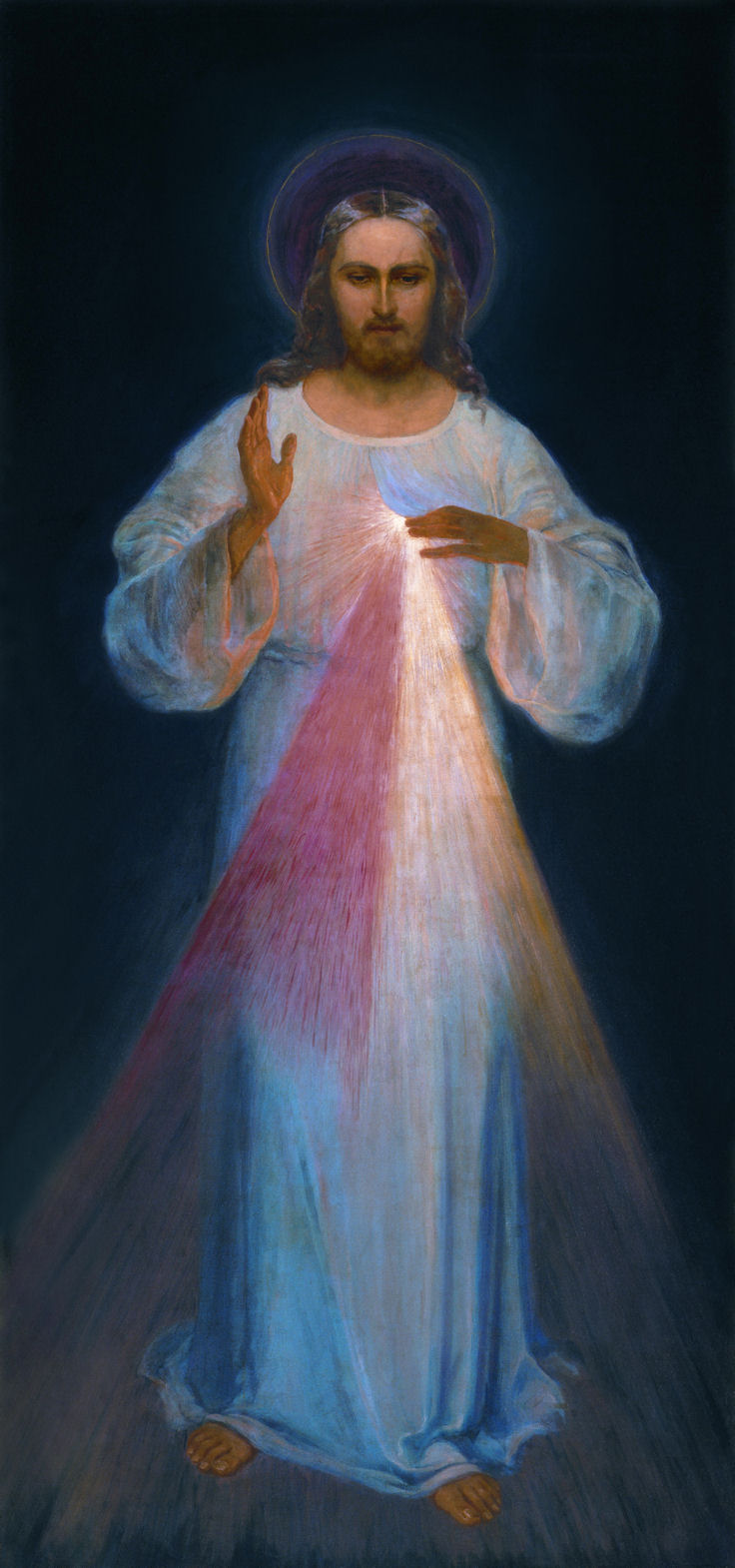
Faustyna is best known for the journal she kept, commonly published under the title Divine Mercy in My Soul. In its pages she recorded a series of mystical experiences in which she described conversations with Christ centred on God’s mercy, trust, repentance and forgiveness. Her diary also contains practical devotional forms that she said she received in visions: a painted image of Jesus with the words "Jesus, I trust in You," a short set of prayers called the Chaplet of Divine Mercy, and a special observance on the Sunday after Easter.
- Key devotional elements attributed to her revelations: the Divine Mercy image, the Chaplet, and Divine Mercy Sunday.
- Her writings were supervised and promoted by her spiritual director, who helped bring the devotion to a wider audience.
Reception and legacy
The message attributed to Faustyna attracted both strong popular devotion and careful scrutiny within the Church. After investigation and guidance from Church authorities, the Divine Mercy devotion grew internationally, in part through the support of Pope John Paul II, who beatified her in 1993 and canonized her in 2000. The Second Sunday of Easter is now widely celebrated as Divine Mercy Sunday in many Catholic calendars.
Her life and diary have inspired art, liturgy, retreats and charitable activity focused on compassion and reconciliation. The original depiction of the Divine Mercy was painted in Vilnius under direction of her confessor; dozens of reproductions and variations of the image have circulated globally.
Notable facts
Several points often highlighted about Faustyna include: her birth name Helena, the short span of her life, the centrality of mercy in her reported revelations, and the diary’s role in shaping modern popular piety. While some aspects of private revelation have been debated or examined historically, her cause for sainthood concluded with official recognition and a lasting devotional movement that continues to influence Catholic spirituality worldwide.
For further reading and primary sources, see collections of her diary and official Church documents on the Divine Mercy devotion. Scholarly and devotional accounts provide context on how a modest religious sister became an influential figure in 20th‑century Catholicism. Additional resources are available through archival and ecclesiastical pages (mystic sources, canonization records, biographical notes, death and burial details, Polish context, congregational history).
Questions and answers
Q: Who was Faustyna Kowalska?
A: Faustyna Kowalska was a Polish nun and mystic.
Q: What was her birth name?
A: Her birth name was Helena Kowalska.
Q: When and where was she born?
A: She was born on August 25, 1905, in Głogowiec, which was then in the Russian Empire.
Q: When did she die?
A: She died on October 5, 1938, in Kraków, Poland.
Q: What is Faustyna Kowalska venerated as in the Roman Catholic Church?
A: Faustyna Kowalska is venerated as a saint in the Roman Catholic Church.
Q: What is her commonly known name?
A: Her commonly known name is Saint Faustina.
Q: Was she only renowned in her own country?
A: No, she is venerated and known worldwide in the Roman Catholic Church.
Author
AlegsaOnline.com Faustyna Kowalska (Saint Faustina) — Polish nun and mystic Leandro Alegsa
URL: https://en.alegsaonline.com/art/138319