
Bread roll — types, ingredients, history and culinary uses
A compact overview of the bread roll: definition, regional names and varieties, common ingredients and preparation, culinary uses, and notable distinctions across Europe and beyond.
Overview
A bread roll is a small, individually sized portion of bread typically served as a side, snack or as the basis for a sandwich. Like a sandwich, a roll is often split and filled with spreads such as butter or with meats and cheeses. Rolls can be plain or enriched, soft or crusty, and are baked to provide a single-person serving that complements a meal.

Image gallery
10 Images


Characteristics and common ingredients
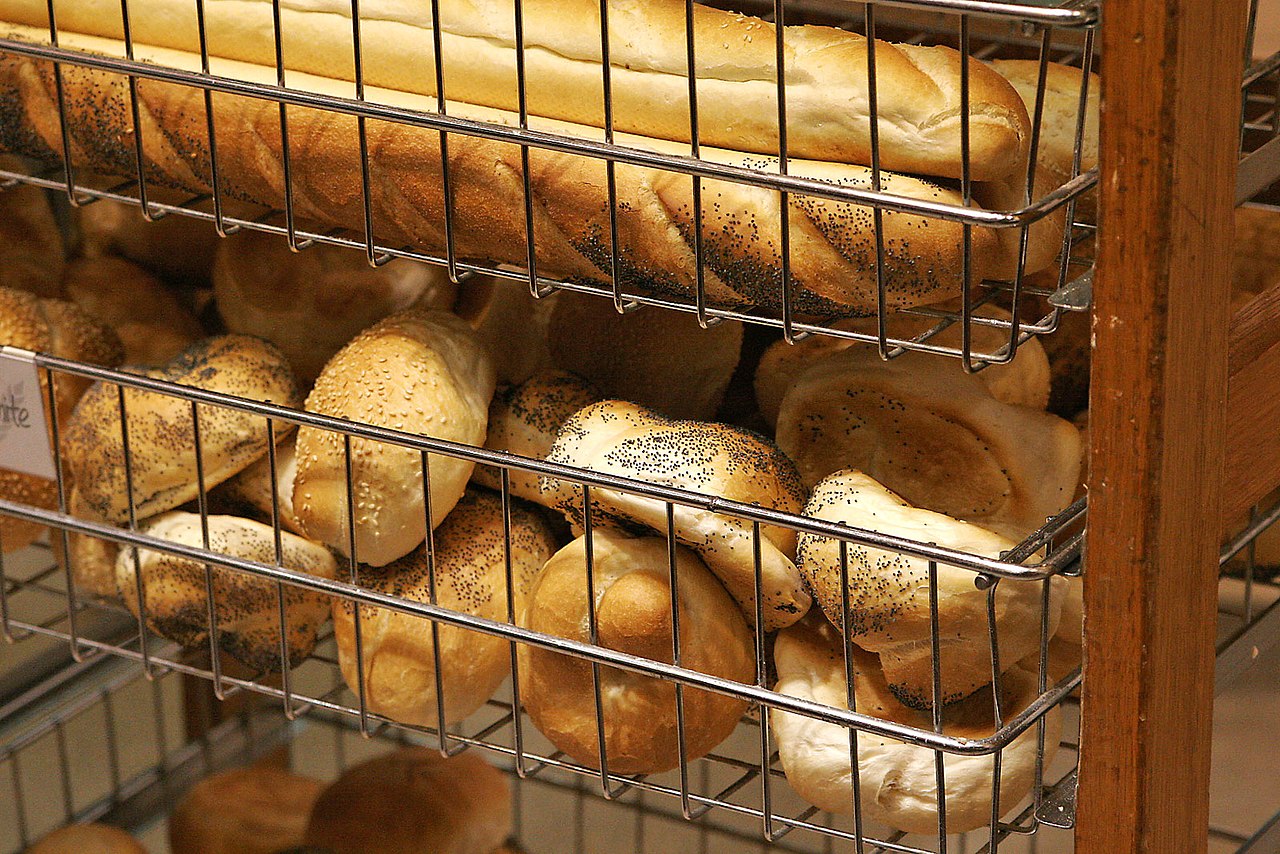
Basic rolls are made from a dough of flour, water, yeast and salt; variations arise from the type of flour and added ingredients. White rolls usually use wheat (wheat and flour) while darker, denser rolls may include high proportions of rye flour. Bakers often add fats, milk or sugar for softness, and toppings such as seeds or coarse salt. Spices like coriander and cumin, nuts and various seeds—including sesame, poppy or sunflower—create regional flavour distinctions.

Varieties and regional names
Many languages and local dialects have their own names for small rolls; in British varieties the words used can vary with how the dough is shaped or baked (British English). Rolls are especially central to bakery culture in parts of Europe, notably Germany and Austria, where a wide spectrum of types exists. They are also common in countries such as Australia, New Zealand, South Africa and Canada, each with local preferences and names.

History and cultural role
Small individual breads have long served practical and social purposes: they provide single servings in households, markets and inns, and they adapt easily to fillings and spreads. Different European baking traditions shaped the development of rolls from simple peasant loaves to refined bakery items. In northern Europe, for example, the Danish and Norwegian rundstykker are a customary weekend breakfast item in many homes and bakeries, often eaten with butter or jam; in Italy, small ciabatta loaves are used for panini-style sandwiches.

Preparation and culinary uses
Rolls are typically portioned from dough, shaped by hand or machine, proofed and baked until the desired crust and crumb develop. Texture ranges from airy interior with crisp crust to compact, chewy crumb depending on hydration, fermentation and baking temperature. Common uses include accompaniment to soups and roasts, hand sandwiches, breakfast with spreads, and as buffet or catering pieces. Bakers may glaze, score, or seed rolls for presentation and flavour.

Notable distinctions and practical notes
When choosing or making rolls, consider size and crumb for the intended use: soft, enriched rolls suit burgers and breakfast sandwiches, while crusty rolls better hold moist fillings. Terminology varies by region and can overlap—what one area calls a roll another might call a bap, bun, cob or small loaf—so context matters when following recipes or ordering at a bakery. For further reading on regional names and techniques consult specialist sources or local bakers.

- Examples of common toppings and inclusions: nuts, seeds, herbs and spices such as coriander.
- International references: see bakeries in Germany, Austria, Denmark, Norway.
- Common serving formats: split and buttered, filled as sandwiches, served alongside soups or salads.


Questions and answers
Q: What is a bread roll?
A: A bread roll is a piece of bread, usually small and round, that is typically used as a side dish.
Q: How are bread rolls most commonly used?
A: Bread rolls are most often used in the same way as sandwiches - cut in half with items like butter placed between the two halves.
Q: What are some names for bread rolls?
A: The names for bread rolls vary depending on how the dough was made and how the roll was cooked. They can be found in many local versions of British English.
Q: Where are bread rolls common?
A: Bread rolls are common in Europe, mostly in Germany and Austria, as well as Australia, New Zealand, South Africa and Canada.
Q: What kind of variations exist for European-style bread rolls?
A: European-style bread rolls come in a variety of forms ranging from white wheat flour to dark rye flour varieties that may include spices such as coriander or cumin or nuts/seeds like sesame seeds, poppy seed or sunflower seeds.
Q: What type of Italian form exists for a bread roll? A: An Italian form of a bread roll is called ciabatta which can be used to make panino (or panini).
Q: In what countries do people eat "rundstykker" (bread rolls)?
A: Rundstykker (breadrolls) are eaten with butter for special weekend breakfasts in Denmark and Norway.
Related articles
Author
AlegsaOnline.com Bread roll — types, ingredients, history and culinary uses Leandro Alegsa
URL: https://en.alegsaonline.com/art/13823