
Brazil in World War II: military contributions, diplomacy, and domestic impact
Brazil joined the Allies in 1942, sent an expeditionary force to fight in Italy, and supported Atlantic convoy and air operations; the war accelerated economic change and altered Brazilian politics.
Overview
During World War II Brazil aligned with the Allies, shifting from neutrality after repeated attacks on its merchant fleet and growing ties with the United States. Under the Estado Novo regime of Getúlio Vargas, the country moved from a position of formal neutrality to active collaboration with Allied powers in 1942 and thereafter played both military and logistic roles in the global conflict.
Image gallery
10 Images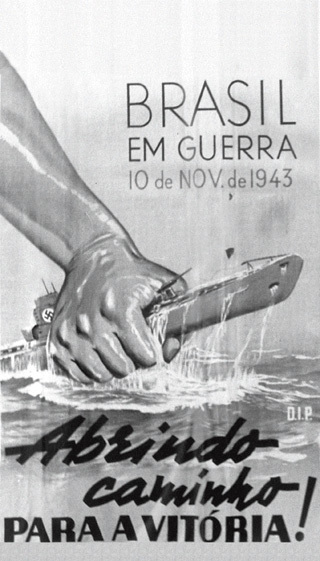


Military contributions
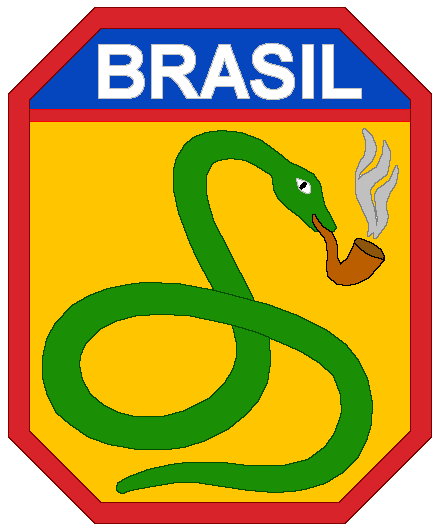
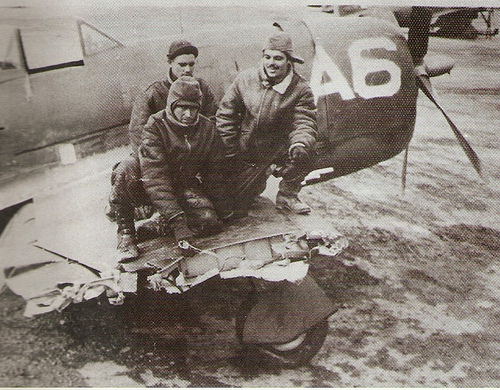
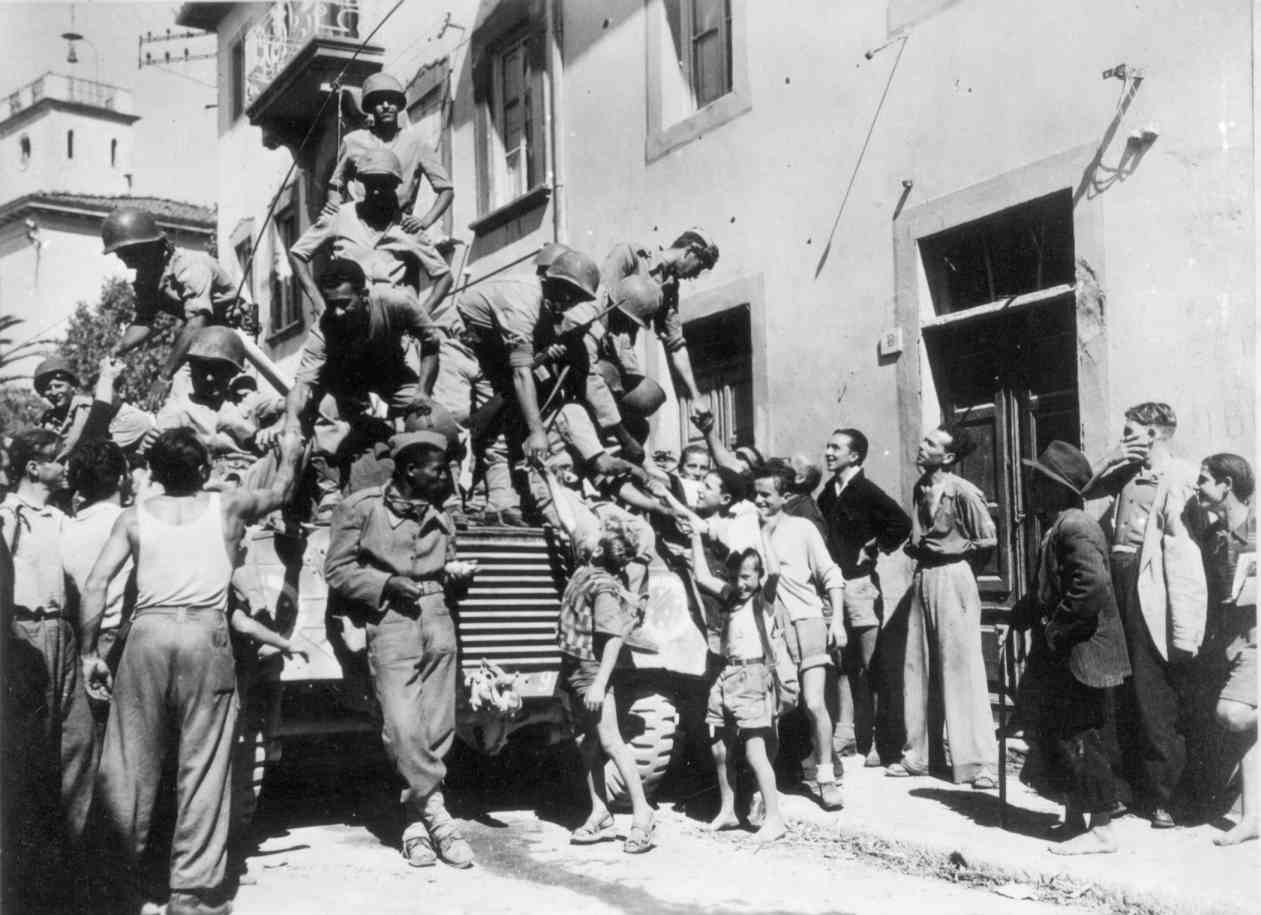
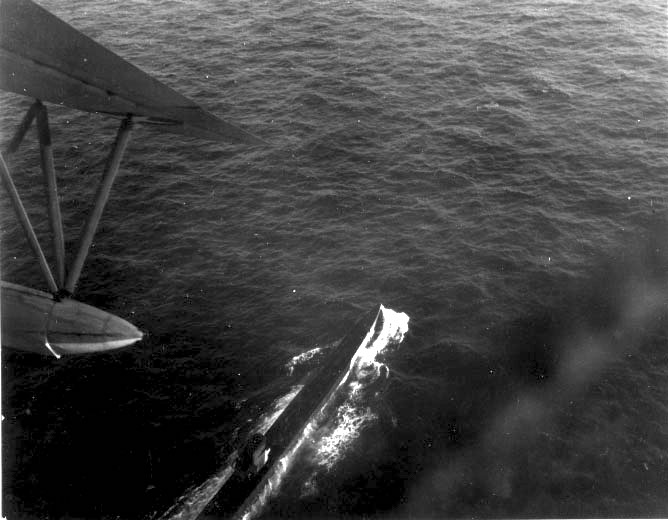
Brazil was the only South American nation to deploy ground troops to a European front. The country organized and sent a Brazilian Expeditionary Force to fight alongside Allied armies in the Italian Campaign; this force served in several engagements in the Apennine mountains and the northern Italian front. In addition to ground forces, the Brazilian Navy and Air Force carried out convoy escort, anti-submarine patrols, and coastal defense missions that supported transatlantic logistics and helped protect Allied shipping lanes.
Logistics, bases and international cooperation
Brazil’s geographic position on the Atlantic made its northeastern ports and airfields important staging points for movement of men and materiel across the ocean. Cooperation with the United States included construction and use of air bases that shortened transatlantic flight routes and improved logistical links between the Americas and Africa or Europe. These arrangements strengthened Brazil’s diplomatic and military ties with North American and European Allies.
Domestic effects and legacy
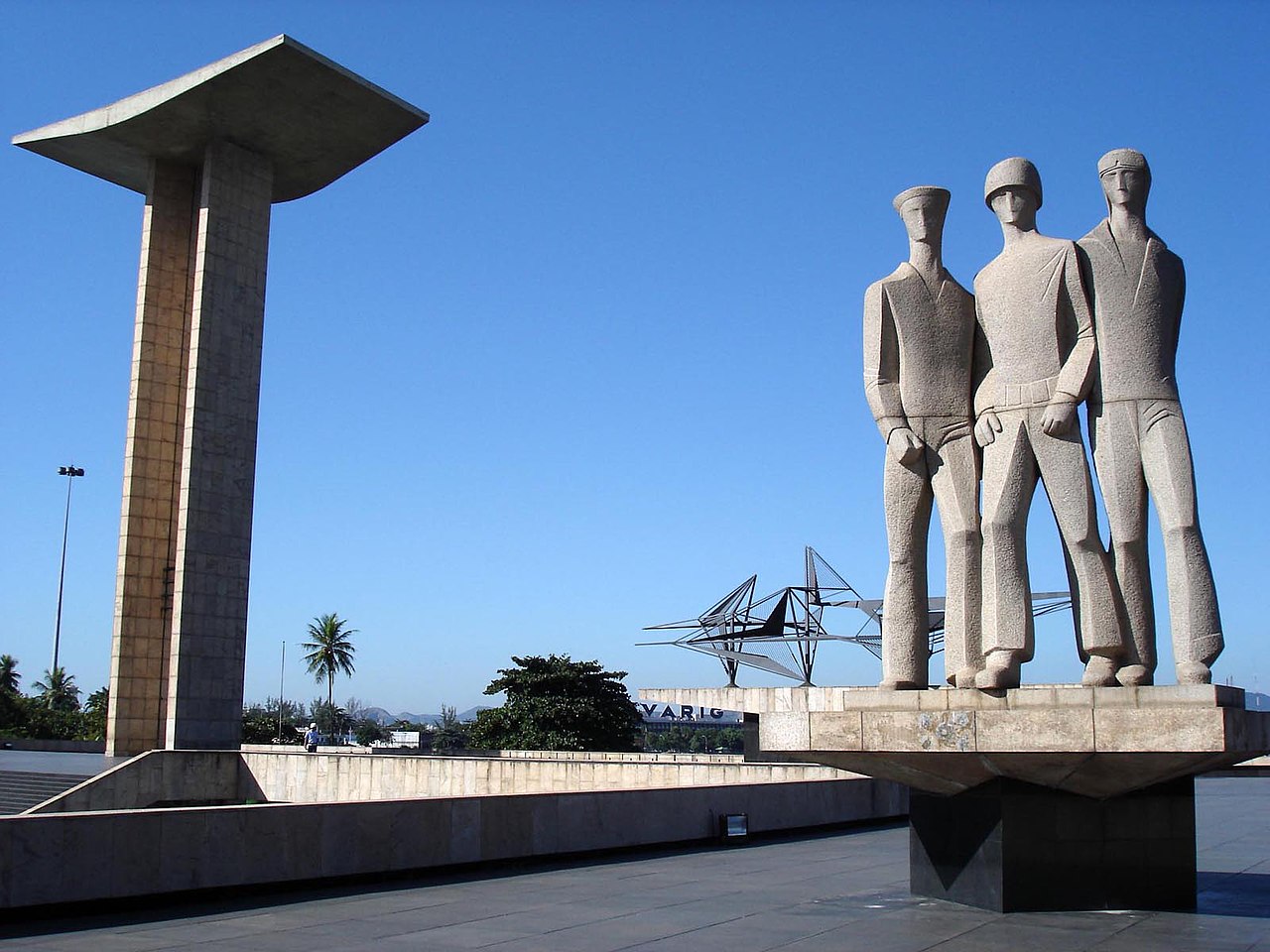
The war effort stimulated industrialization, expanded state coordination of the economy, and accelerated urban growth. Military mobilization exposed many Brazilians to new skills and ideas; returning veterans and wartime social changes contributed to postwar political shifts toward democratization. The conflict also raised Brazil’s international profile and laid groundwork for closer integration with Western powers during the early Cold War.
Notable facts and distinctions
- Brazil declared war on the Axis after attacks on its shipping and became an active Allied partner.
- It was the principal South American contributor of ground troops to the European theater, sending an expeditionary contingent to Italy (expeditionary force).
- The Brazilian military supported Atlantic operations through naval and air patrols (Atlantic operations).
- Participation in the Italian Campaign and collaboration with Allied forces illustrate Brazil’s wartime role in Europe (Italian Campaign).
- The country’s unique South American position among the Allies is a recurrent point in histories of the hemisphere during the war (South American Allies).
For further reading and primary sources on Brazil’s wartime diplomacy, military deployments, and home-front changes, consult specialized histories and archival materials that document the period in detail.
Questions and answers
Q: Was Brazil involved in World War II?
A: Yes, Brazil was one of the Allies of World War II.
Q: Did Brazil send troops to fight in the war?
A: Yes, Brazil was the only ally from South America to provide troops. They sent an expeditionary force to fight in the Italian Campaign.
Q: What contributions did Brazil make to the war effort?
A: Brazil made significant contributions to the war effort by sending troops to fight alongside the allies in Italy and by assisting the Allies in the Atlantic through their Navy and Air Force from 1942 to 1945.
Q: Which campaigns did Brazil participate in during the war?
A: Brazil participated in the Italian Campaign as part of the Allied forces.
Q: How did the Brazilian Navy and Air Force contribute to the war effort?
A: The Brazilian Navy and Air Force helped the Allies in the Atlantic from 1942 until the end of the war in 1945.
Q: Was Brazil the only South American country to contribute to the war effort?
A: Yes, Brazil was the only ally from South America to contribute troops to the war effort.
Q: What role did Brazil play as an Ally during World War II?
A: As an Ally during World War II, Brazil made important contributions to the war effort by sending troops and providing support for the Allies in the Atlantic.
Related articles
Author
AlegsaOnline.com Brazil in World War II: military contributions, diplomacy, and domestic impact Leandro Alegsa
URL: https://en.alegsaonline.com/art/13801