
Brain injury: types, causes, symptoms, diagnosis and recovery
Comprehensive overview of brain injury: definitions, major types (traumatic, acquired, congenital), common causes, typical symptoms, diagnosis, treatment approaches, rehabilitation and prevention.
Brain injury refers to any damage that affects the structure or function of the brain. It is an umbrella term that includes injuries present at birth (congenital), those caused by external physical forces (traumatic), and those that result from medical events such as lack of oxygen, infection or disease (acquired). The brain is a complex organ, so the effects of injury vary widely depending on the cause, the brain regions involved and the severity of the insult. For a basic overview of brain anatomy and function see brain.
Image gallery
6 Images


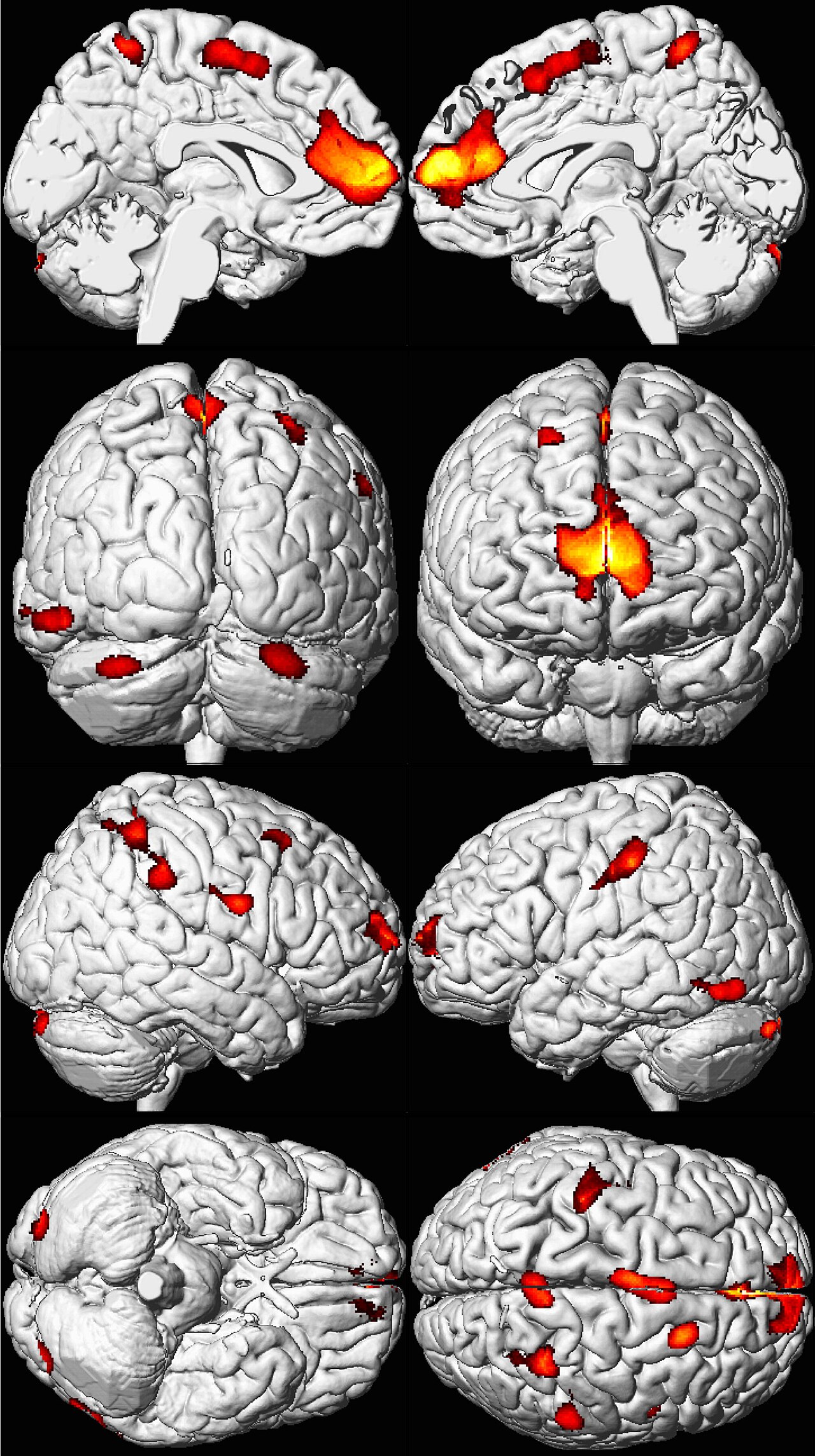


Major types and common causes
Brain injuries are commonly classified by their origin:
- Traumatic brain injury (TBI) — caused by an external mechanical force, such as a fall, assault or vehicle collision; these are sometimes described as physical injury or trauma.
- Acquired brain injury (ABI) — results from internal medical events, for example stroke, tumor, infection, or episodes that deprive the brain of oxygen (hypoxia or anoxia).
- Congenital and developmental injuries — present at or before birth due to genetic factors, prenatal infections or birth complications.
Symptoms and how location matters
Because different brain areas control movement, sensation, language, memory and emotion, symptoms depend on where the injury occurred. Common signs include:
- Physical: headache, dizziness, weakness, coordination or balance problems.
- Cognitive: attention and memory difficulties, slowed thinking, impaired planning.
- Communication and behaviour: language problems, mood changes, impulsivity.
- Severe cases: loss of consciousness, coma or persistent vegetative state.
When the brain is injured by a stroke or similar event the clinical picture may be abrupt; many stroke-related brain injuries are discussed under the topic of stroke. For a list of typical warning signs and functional effects, see resources on symptoms.
Diagnosis, acute treatment and longer-term care
Diagnosis relies on clinical assessment and imaging such as CT or MRI to identify bleeding, contusions, swelling or lesions. Acute management focuses on stabilizing the patient, preventing secondary injury (for example by ensuring adequate oxygenation and blood flow) and treating life‑threatening complications. Surgical procedures may be required to remove hematomas or relieve pressure.
After the acute phase, care often shifts to rehabilitation. Multidisciplinary teams provide physical therapy, occupational therapy, speech and language therapy, neuropsychology and social support to address functional deficits and help individuals regain independence.
Prognosis, prevention and notable distinctions
Outcomes range from full recovery to long-term disability or death. Prognosis depends on factors such as age, initial severity, location of injury and how quickly treatment begins. Rehabilitation can substantially improve abilities even months or years after injury.
- Prevention: measures include helmet use, seat belts, fall prevention strategies, stroke risk management and prenatal care.
- Distinctions: mild TBI (concussion) can have transient symptoms but cumulative effects with repeat injuries; acquired injuries often require treatment of the underlying medical cause; congenital injuries may affect development across the life span.
Because brain injury affects many aspects of life, management addresses medical, cognitive, emotional and social needs. Reliable information and local specialist services are important for patients and families planning recovery and long‑term care.
Questions and answers
Q: What is a brain injury?
A: A brain injury means that the brain has been hurt in some way.
Q: How can brain injuries occur?
A: Brain injuries can happen before birth, due to a physical injury (trauma), or because of medical problems such as lack of oxygen.
Q: What are congenital brain injuries?
A: Congenital brain injuries are brain injuries that occur before a baby is born.
Q: What are traumatic brain injuries?
A: Traumatic brain injuries are brain injuries that occur due to physical trauma, such as hitting the head in a car accident.
Q: Are all brain injuries the same?
A: No, all brain injuries are different. Some are mild, some are severe, some are temporary, and some never get better.
Q: What are the symptoms of brain injury?
A: The symptoms of brain injury can be very different for different people, depending on what part of the brain was injured and how badly.
Q: Can brain injuries get better?
A: Some brain injuries are temporary and may get better quickly, while others may take a longer time to improve or may never get better.
Related articles
Author
AlegsaOnline.com Brain injury: types, causes, symptoms, diagnosis and recovery Leandro Alegsa
URL: https://en.alegsaonline.com/art/13657
Sources
- ninds.nih.gov : "NINDS Traumatic Brain Injury Information Page"
- cdc.gov : "Facts about FASDs"
- purdue.edu : "Teratogens"
- cdc.gov : "Chapter 15: Congenital Rubella Syndrome. In "Manual for Surveillance of Vaccine-Preventable Diseases""
- www3.interscience.wiley.com : "Chronic varicella-zoster skin infection complicating the congenital varicella syndrome"
- doi.org : 10.1111/j.1525-1470.2007.00471.x
- pubmed.ncbi.nlm.nih.gov : 17845179
- doi.org : 10.2471/BLT.12.111732
- worldcat.org : 0042-9686
- pubmed.ncbi.nlm.nih.gov : 23825877
- doi.org : 10.1136/ip.2010.029215.61
- researchgate.net : "The impact of traumatic brain injuries: A global perspective"
- ptsd.va.gov : "Traumatic Brain Injury and PTSD"
- mountsinai.org : "Anoxic Brain Damage"
- webmd.com : "Brain & Nervous System Health Center"