
Chatham Dockyard: Royal Navy shipyard on the River Medway
Historic Royal Navy dockyard in Chatham, Kent, active from the 16th century to 1984; now preserved as the Chatham Historic Dockyard with extensive maritime collections and surviving industrial architecture.
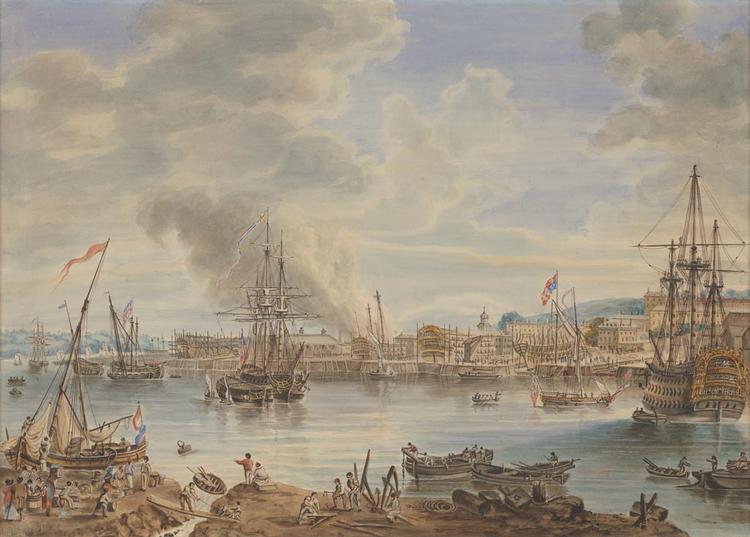
Chatham Dockyard grew up on the banks of the River Medway in Kent, centred on the town of Chatham and later extending into neighbouring Gillingham. Founded in the mid‑16th century, it became one of the Royal Navy's principal yards for maintenance, repair and construction of warships. Its riverside location combined sheltered deep water with land for basins, dry docks and workshops and shaped the yard's role in British naval power for several centuries.
Image gallery
10 Images




Historical context and strategic role
The dockyard was established in a period of political and religious change following the Reformation, when England's relations with other European powers—often Catholic monarchies—were strained. That strategic uncertainty increased demand for secure shipbuilding and repair facilities for the Royal Navy. Over time Chatham handled the upkeep of hundreds of fighting ships and supported naval operations in wars from the 17th through the 20th centuries. Its significance has led to discussion about internationally recognizing its heritage; the yard has therefore featured in debates around UNESCO and World Heritage Sites, though its principal protection today is through national conservation measures.
Layout, buildings and industrial character
Chatham developed as a complex of wet docks, dry docks, slipways, storehouses and workshops where shipwrights, metalworkers and other trades carried out specialised tasks. The yard became associated with advances in shipbuilding and with the adaptation of facilities to changing technology—from wooden sailing ships to steam and iron hulls. Surviving structures illustrate a wide span of British maritime industrial architecture, ranging from timber‑framed workshops to later masonry storehouses and covered slips.
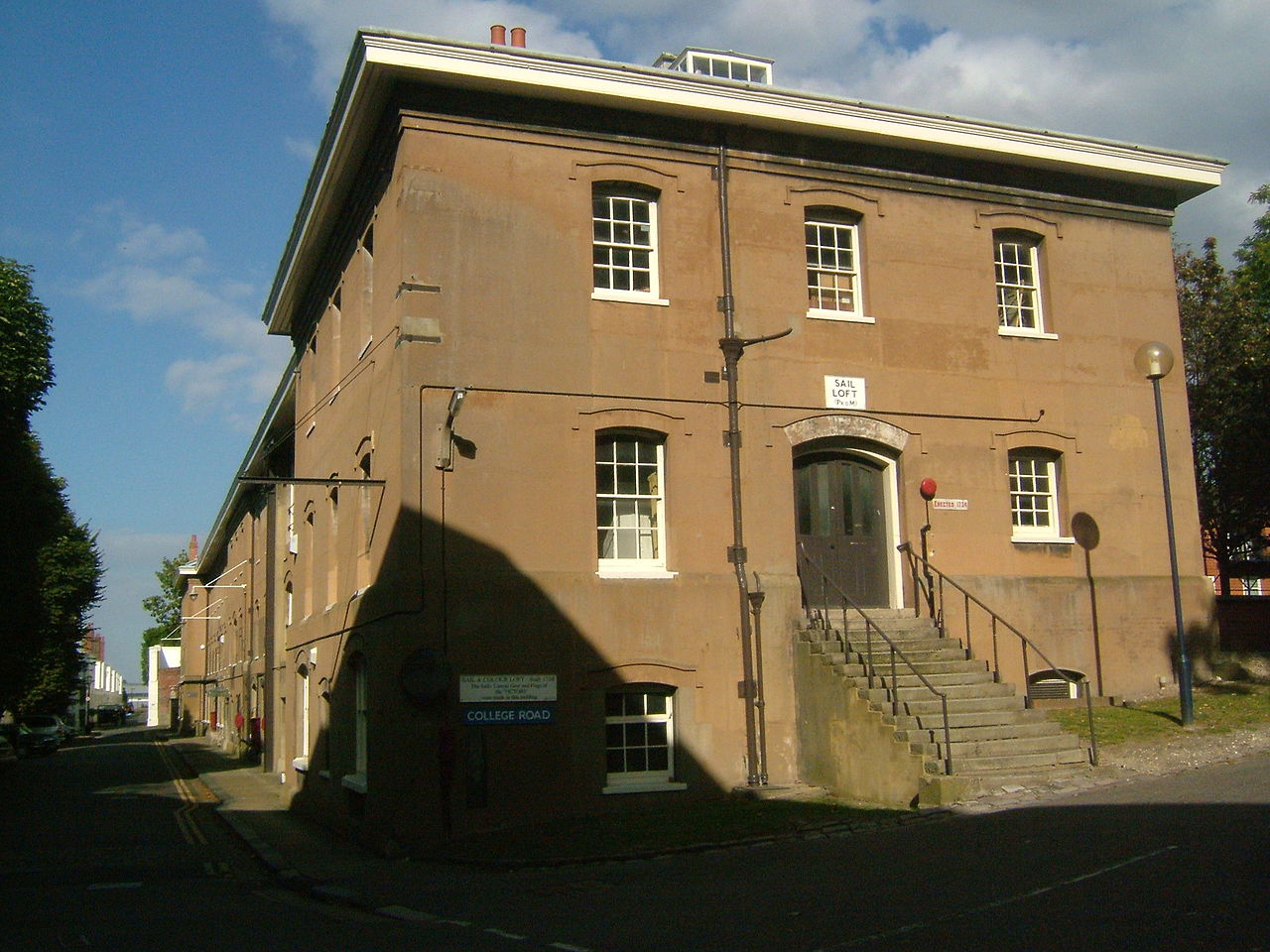
Notable features that can still be seen today include original dock basins, roperies, smithies and assorted ancillary buildings that once supported a large and highly skilled workforce. The dockyard's physical fabric records both routine maintenance activity and large‑scale refits carried out during periods of conflict.
People, production and change
At the height of its operations Chatham employed thousands of skilled workers—shipwrights, engineers, carpenters and other artisans—and was a major regional employer. Across more than four centuries the yard turned out and serviced a substantial number of naval vessels, adapting continuously as naval technology evolved. Throughout its life the site reflected broader industrial and social changes, including organisation of labour, development of specialised workshops and the introduction of steam power and metalworking techniques.
In later centuries the dockyard also became known for its engineering and architectural innovations in the design of docks, storehouses and protective structures, many of which have been the subject of conservation and study.
Closure and preservation
The operational dockyard finally closed in 1984. A core part of the historic Georgian yard has been retained and is managed as the Chatham Historic Dockyard by a trust and charitable organizations. The preserved area includes extensive museum displays, conserved industrial buildings and new visitor facilities that interpret the site's maritime, technological and social history. The site attracts researchers, school groups and tourists and is used for events and as a film location, helping to keep its layered history accessible to the public.
Chatham Dockyard remains an important exemplar of Britain's naval and industrial past: a place where maritime strategy, ship design and large‑scale industrial organisation intersected over many generations, leaving a tangible heritage now presented for education and commemoration.
Questions and answers
Q: Where was Chatham Dockyard located?
A: Chatham Dockyard was located on the River Medway in Kent.
Q: When was Chatham Dockyard established?
A: Chatham Dockyard was established in the mid-16th century.
Q: Was Chatham Dockyard expanded into neighbouring Gillingham?
A: Yes, Chatham Dockyard was expanded into neighbouring Gillingham.
Q: Is Chatham Dockyards and its Defences a UNESCO World Heritage Site?
A: Yes, Chatham Dockyards and its Defences are UNESCO World Heritage Sites.
Q: When did Chatham Dockyard close?
A: Chatham Dockyard closed in 1984.
Q: How is the Georgian dockyard managed now?
A: The Georgian dockyard, covering 84 acres (34 ha), is now managed as the Chatham Historic Dockyard by the Chatham Historic Dockyard Trust.
Q: What did Chatham Dockyard produce for the Royal Navy?
A: Chatham Dockyard produced 500 ships for the Royal Navy over 414 years.
Author
AlegsaOnline.com Chatham Dockyard: Royal Navy shipyard on the River Medway Leandro Alegsa
URL: https://en.alegsaonline.com/art/136399