
Charles Moore (athlete)
Charles H. Moore Jr. (1929–2020) was an American 400m hurdler who won Olympic gold in 1952 and was inducted into the U.S. National Track and Field Hall of Fame in 1999.

Overview
Charles Hewes Moore Jr. (August 12, 1929 – October 8, 2020) was an American track-and-field athlete best known for his achievements in the 400 metre hurdles. He won the Olympic title in the 400 m hurdles at the 1952 Summer Games, recording a winning time of 50.8 seconds. Born in Coatesville, Pennsylvania, Moore later lived and died in Laporte, Pennsylvania at the age of 91.
Image gallery
3 Images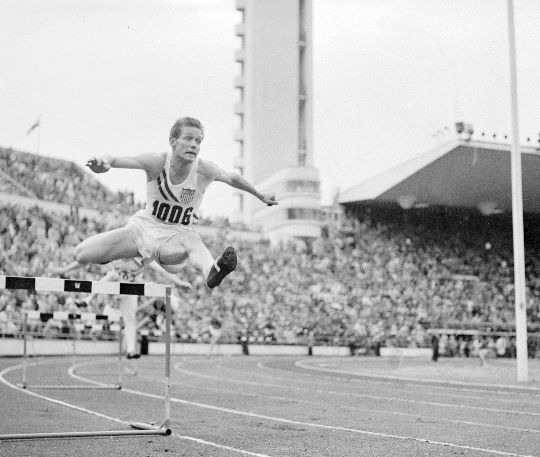


Athletic career and achievements
Moore emerged in an era when the 400 metre hurdles demanded both sprint speed and the endurance to maintain technique over ten barriers. His most prominent accomplishment was the Olympic gold medal in 1952. In recognition of his contributions to the sport, he was elected to the United States National Track and Field Hall of Fame in 1999.
- Olympic gold: 400 m hurdles, 1952 Summer Olympics (official Olympic results) — time 50.8 seconds.
- Hall of Fame: Inducted into the U.S. National Track and Field Hall of Fame, 1999.
- Personal: Born in Coatesville, Pennsylvania; died in Laporte, Pennsylvania at 91.
Event characteristics and style
The 400 m hurdles is a long sprint with ten evenly spaced hurdles; success requires blend of speed, stride rhythm and the ability to clear barriers without breaking momentum. Contemporary accounts of Moore emphasize his efficient hurdling form, strong finish, and tactical pacing — attributes that are commonly highlighted when discussing champions of this event. Although top athletes often vary stride patterns between hurdles, the decisive element is sustaining fast sprinting while negotiating the barriers cleanly.
Legacy and significance
Moore's Olympic victory in 1952 placed him among the notable American hurdlers of the mid-20th century. His Hall of Fame induction recognizes both his peak international result and his longer-term presence in American track and field history. Athletes and historians cite champions like Moore when tracing developments in hurdle technique and training between the postwar years and the modern era. For a concise record of his Olympic performance, see the Games reference above (1952 results), and for local biographical details see the links for his birthplace and place of death (Coatesville, Laporte).
While not every detail of an athlete's training or non-competitive life is part of the public record, Moore's competitive record — centered on his 1952 Olympic gold and later Hall of Fame honor — secures his place in U.S. track-and-field history.
Author
AlegsaOnline.com Charles Moore (athlete) Leandro Alegsa
URL: https://en.alegsaonline.com/art/136364