
Córdoba, Argentina: history, geography, culture and contemporary life
Córdoba is Argentina’s second-largest city, a historic university and industrial centre in the country’s geographic heart. Overview of its geography, history, economy, culture and major landmarks.
Overview
Córdoba is a major Argentine city located in the geographic centre of the country. It is the capital of Córdoba Province and long considered the nation’s second-largest urban centre after Buenos Aires. The city sits on the banks of the Suquía River (often called Río Primero) and functions as a regional hub for government, education, industry and culture. Córdoba is commonly known by nicknames such as La Docta (the learned one) and the City of Bells, reflecting its long university tradition and its colonial churches.
Image gallery
10 Images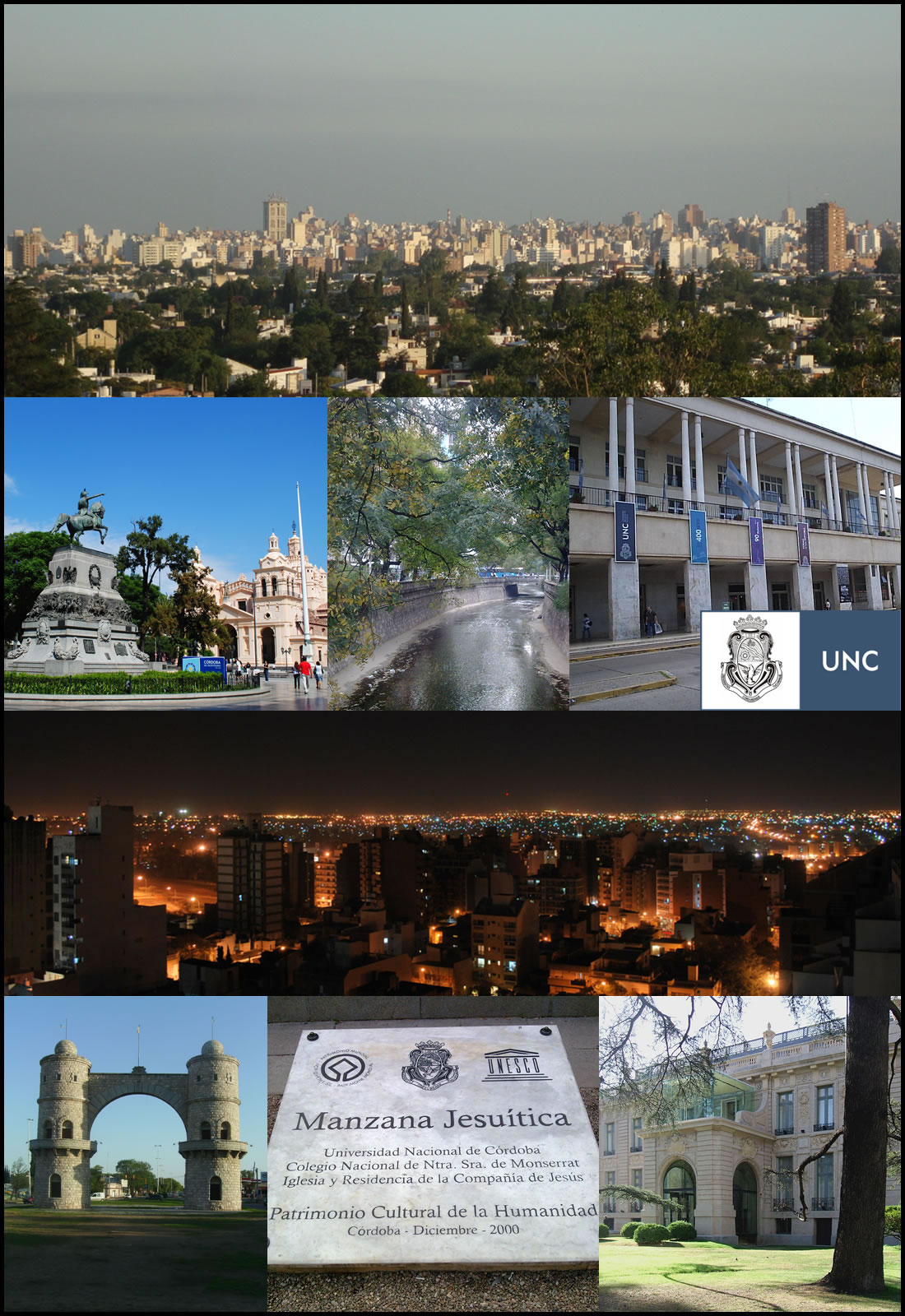





Geography and urban layout
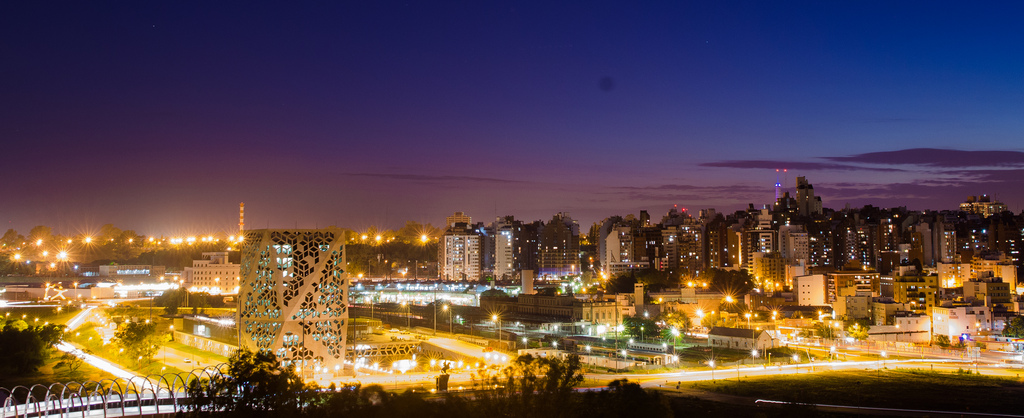
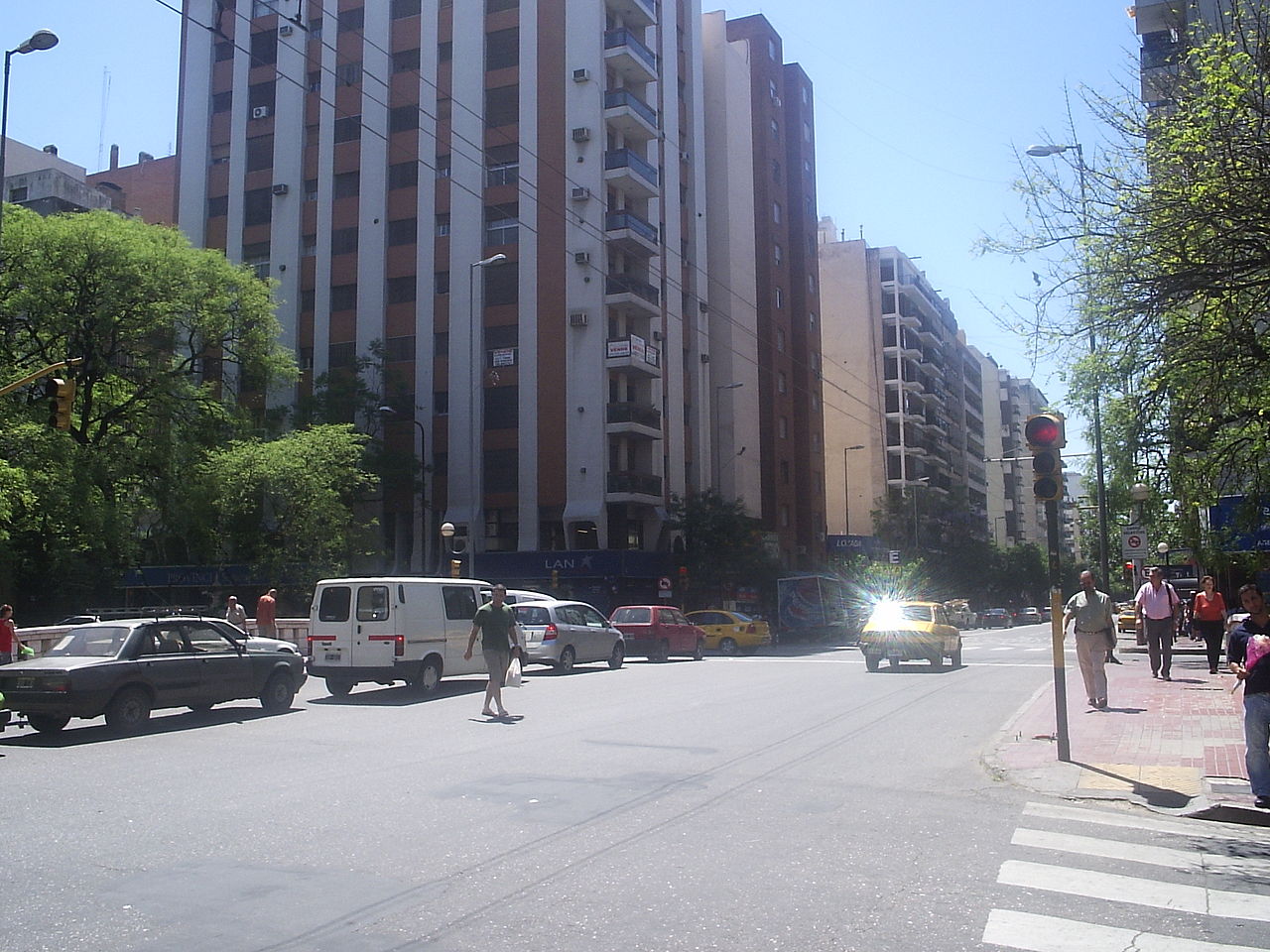
Córdoba occupies a primarily flat to gently rolling plain surrounded by low sierras and agricultural land. The historic core preserves a colonial grid of streets with plazas and churches; beyond it, a mix of residential neighbourhoods, university districts and industrial zones radiate outward. Neighborhoods such as Nueva Córdoba concentrate students and cultural life, while other sectors include older residential barrios and peripheral zones with growing commercial activity. The Suquía River crosses the city from south to north and has been partially channelled in urban sections; green belts and parks follow some of the waterways and provide recreational space.
History and development
Córdoba was founded on July 6, 1573 by Jerónimo Luis de Cabrera as a Spanish colonial settlement intended to serve as a link between the Río de la Plata and the interior. Over the centuries it grew as a religious, administrative and agricultural centre. The city’s National University was established in 1613 and became one of the oldest universities in the Americas; this long academic presence has shaped Córdoba’s identity and civic life. In the 20th century the city industrialized and expanded rapidly, becoming a centre for manufacturing, commerce and political movements. Córdoba also played a prominent role in national events, including the 1918 university reform that influenced higher education across Latin America, the Cordobazo protests of 1969, and episodes linked to broader political changes in Argentina.
Education, culture and institutions
The National University of Córdoba is central to the city’s cultural and intellectual life. Founded in the early 17th century, the university and its affiliated institutes draw tens of thousands of students, researchers and academics from around Argentina and abroad. Cultural institutions include museums, theatres, concert halls and numerous festivals that celebrate music, film, gastronomy and local traditions. The Jesuit Block and Estancias of Córdoba—a suite of colonial buildings tied to the city’s educational and religious history—are recognized as a UNESCO World Heritage site and attract many visitors interested in architecture and early colonial history.
Economy and infrastructure
Córdoba’s economy is diversified. Commerce and services account for a large share of businesses and employment, while manufacturing and industrial activity—ranging from automotive components and metalworking to food processing and other light industry—remain important drivers of output. The city also hosts a growing technology and research sector linked to its universities. Transportation infrastructure includes a busy intercity and urban bus network, an international airport that connects the region with other Argentine cities and some international routes, and rail lines that link cargo and passenger services to other provinces. Urban services and public systems have expanded over time, though growth has also posed challenges for housing and mobility.
Tourism and notable sites
Visitors to Córdoba find a blend of colonial-era architecture, modern cultural venues and nearby natural attractions. Important sites within the city include the Jesuit Block and the Cathedral in the historic centre, museums that document the province’s colonial and indigenous histories, lively squares and avenues, and neighbourhoods known for cafés, nightlife and student activity. Nearby the Sierras de Córdoba offer outdoor recreation such as hiking, climbing and scenic drives, while estancias and small towns in the province preserve rural traditions and crafts. The city also stages fairs, concerts and academic conferences that draw domestic and international audiences.
Governance, demographics and challenges
Córdoba is governed as the provincial capital and divided administratively into communes or districts designed to decentralize municipal services. The city’s population has grown over decades, concentrated in the core and spreading into suburban peripheries. Demographic dynamics include a large student population and internal migration from smaller towns. Like many large Latin American cities, Córdoba faces social and urban challenges: reducing inequality, improving access to quality education and healthcare in poorer neighbourhoods, upgrading transport systems to meet demand, and managing expansion in ways that protect public space and the environment. Municipal and provincial authorities, universities and civil society groups all participate in efforts to address these issues.
Distinctive facts
- Historic universities: The long-established National University of Córdoba gives the city a strong academic character and international links.
- Cultural legacy: Córdoba’s colonial architecture, Jesuit heritage and ongoing cultural festivals preserve and reinterpret regional traditions.
- Political role: Events that began in Córdoba have had national resonance, particularly student-led reforms and labour and civic protests.
- Location and links: Situated in central Argentina, Córdoba serves as a transport and logistics hub that connects the interior provinces with the Atlantic coast and the capital, Buenos Aires.
For further geographic and administrative details consult regional sources and guides about Córdoba and its province; for practical visitor information, local tourism offices maintain up-to-date listings of events, museums and transport options. Additional online reference pages provide expanded civic data and historical timelines for readers seeking deeper research on Córdoba’s development and cultural life: see municipal overviews and provincial portals accessible via general reference links such as Argentina regional information and city-specific resources at Córdoba city guides.
Questions and answers
Q: What is the population of Córdoba?
A: As of 2006, Córdoba has a population of over 1,300,000 inhabitants, making it Argentina's second largest city.
Q: What is Córdoba sometimes referred to as?
A: Cordoba is sometimes referred to as La Docta and the City of Bells.
Q: How big is Córdoba in terms of area?
A: Shaped a square of 24 km side, totalling an area of 576 km².
Q: When was Córdoba founded?
A: Córdoba was founded by from Seville Jerome, Luis Cabrera on 6 July in 1573.
Q: What are some important economic sectors in Cordoba?
A: The economy in Cordoba relies heavily on the commercial sector (57 per cent of companies), services (31%) and industrial (11%).
Q: What are some major deficits that exist in Cordoba?
A: Major deficits in Córdoba include social inclusion (via education) of the inhabitants of the poor districts and villas misery. On the urban side one of the main problems is the system define, which is overwhelmed and only reaches 50.3 per cent of the population, the value lowest between major cities of the country.
Q: What significant events have occurred in Cordoban history?
A: Significant events that have occurred in Cordoban history include University reform in 1918, industrialization during 1930s, Revolution freedom in 1955 and Cordobazo during 1969.
Author
AlegsaOnline.com Córdoba, Argentina: history, geography, culture and contemporary life Leandro Alegsa
URL: https://en.alegsaonline.com/art/135921