
Brother, Can You Spare a Dime? — Depression-era American song
A 1931 American popular song by Yip Harburg and Jay Gorney, famously recorded by Bing Crosby and Rudy Vallee; it became an emblematic anthem of the Great Depression and of lost promises to workers.
Overview
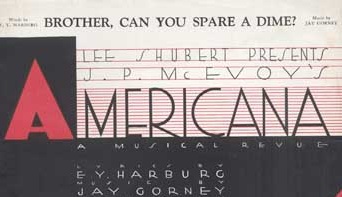
"Brother, Can You Spare a Dime?" is a widely recognized American popular song associated with the economic and social upheaval of the early 1930s. Written in 1931 by lyricist E. Y. "Yip" Harburg and composer Jay Gorney, it quickly entered the public consciousness as a poignant expression of grievance and disillusionment during the Great Depression. The song's plaintive rhetorical question — asking a former builder of society for a small coin — captured the shock of unemployment and the collapse of wartime and civic aspirations.
Image gallery
7 Images



Composition and lyrics
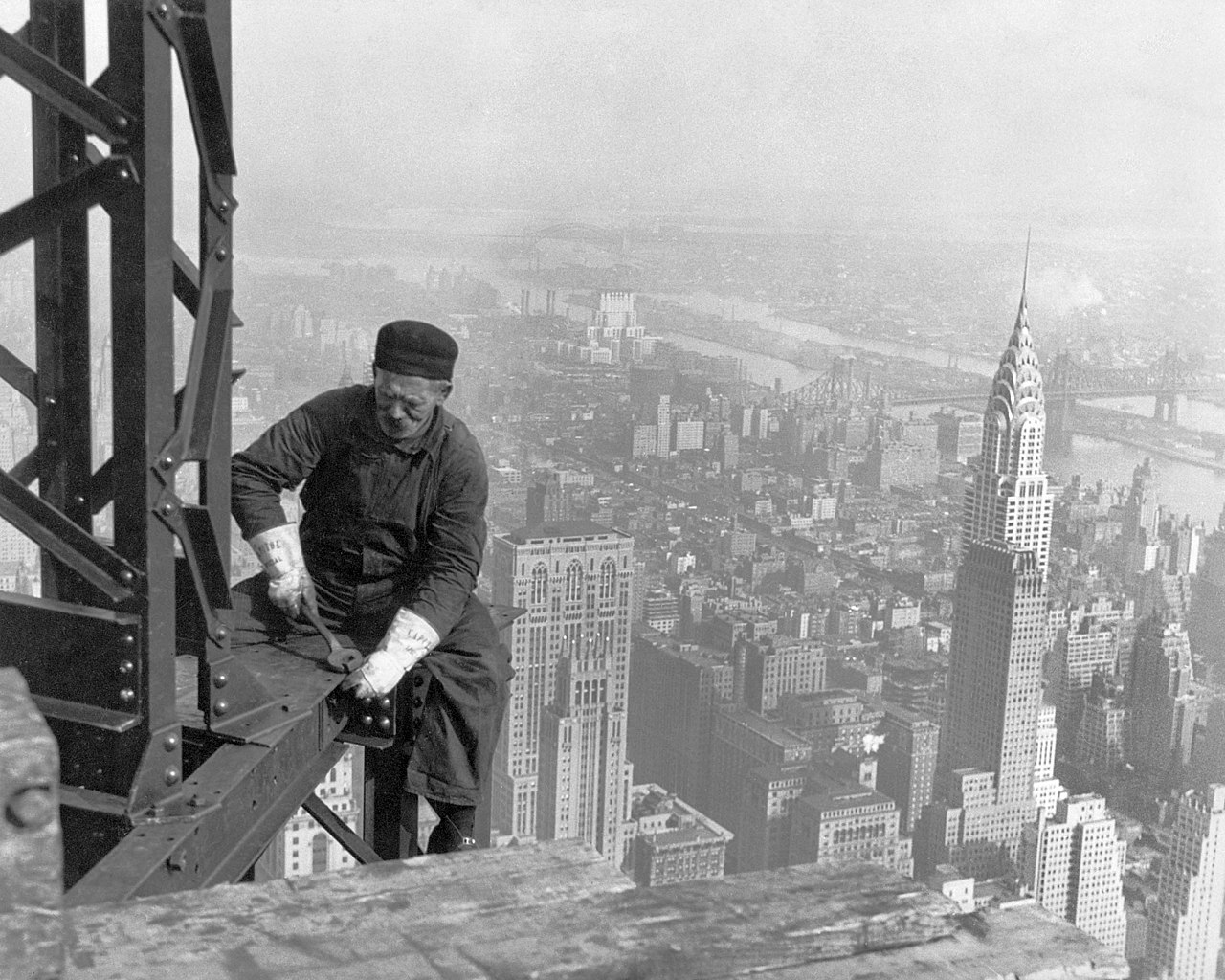
Harburg supplied a first-person lyric that gives voice to a worker or veteran who once built railroads and skyscrapers and who served his country, but who now stands in need. The plainspoken lines contrast past achievement with present want, creating a moral appeal and a sense of betrayal. Jay Gorney's melody, reportedly inspired by a lullaby he heard as a child, combines simple, singable phrasing with a melancholy undertow that supports the lyrics' mix of pride and bitterness.
Early stage and recordings
The song was introduced in the short-lived 1932 musical New Americana, but it achieved mass popularity through commercial recordings. Two early and influential versions were cut by Rudy Vallee and Bing Crosby shortly before the 1932 presidential election; both recordings became commercially successful and helped fix the song in the American popular repertoire. Crosby's recording, in particular, became one of the best-selling discs of the period and contributed to the song's reputation as an anthem of the era.
Themes, structure, and public response
At its core the song juxtaposes memory of productive work with present desperation. It uses vivid, everyday references — building railroads, making factories run — to emphasize how quickly social standing and security had been lost. Musically and lyrically it avoids abstraction: the emotional power rests on straightforward narrative and a conversational plea. Audiences and critics in the 1930s understood the piece as both a lament and a critique, and its frankness made it a touchstone in cultural accounts of the Depression.
Cultural legacy and later significance
Over subsequent decades the song remained a frequently cited and performed piece in retrospectives of the 1930s. It has been recorded and performed by many artists and has appeared in documentaries, radio programs, and stage revivals that examine the period's social history. Musicians, historians, and commentators have pointed to the song as an early example of popular music that explicitly addresses economic injustice and public disillusionment. While not a partisan manifesto, its plain moral force has allowed it to be used in diverse contexts, from labor histories to general accounts of America's interwar years.
Notable facts and distinctions
- The title is often heard in two forms, "Brother, Can You Spare a Dime?" and "Buddy, Can You Spare a Dime?", reflecting slight variations in early performances.
- Its direct, first-person narrative sets it apart from many contemporary songs that favored romantic or escapist themes.
- Because it emerged so early in the Depression, the song came to symbolize the broken promises felt by veterans, workers, and middle-class citizens alike.
Today the song is studied both as a piece of popular music and as a cultural document. Its resonance lies less in technical novelty than in the immediacy of its appeal: a simple question that summed up a profound national anxiety and helped give words to the hardships of millions.
Questions and answers
Q: Who wrote the song "Brother, Can You Spare a Dime?"
A: Lyricist E. Y. "Yip" Harburg and composer Jay Gorney wrote the song "Brother, Can You Spare a Dime?".
Q: When was "Brother, Can You Spare a Dime?" written?
A: The song "Brother, Can You Spare a Dime?" was written in 1931.
Q: What musical did "Brother, Can You Spare a Dime?" first appear in?
A: "Brother, Can You Spare a Dime?" first appeared in the 1932 musical New Americana.
Q: What inspired the melody of "Brother, Can You Spare a Dime?"
A: The melody of "Brother, Can You Spare a Dime?" is based on a Russian lullaby that Jay Gorney heard as a child.
Q: Who recorded versions of "Brother, Can You Spare a Dime?" that became number one hits on the charts?
A: Bing Crosby and Rudy Vallee both recorded versions of "Brother, Can You Spare a Dime?" that became number one hits on the charts.
Q: When were the Bing Crosby and Rudy Vallee versions of "Brother, Can You Spare a Dime?" released?
A: Both the Bing Crosby and Rudy Vallee versions of "Brother, Can You Spare a Dime?" were released just before Franklin Delano Roosevelt's election to the presidency.
Q: What did the Brunswick Crosby recording of "Brother, Can You Spare a Dime?" come to be viewed as?
A: The Brunswick Crosby recording of "Brother, Can You Spare a Dime?" came to be viewed as an anthem of the shattered dreams of the era.
Author
AlegsaOnline.com Brother, Can You Spare a Dime? — Depression-era American song Leandro Alegsa
URL: https://en.alegsaonline.com/art/135738