
Bella Abzug: Lawyer, Congresswoman, and Leader of the Women's Movement
Bella Abzug (1920–1998), nicknamed “Battling Bella,” was an American lawyer, U.S. congresswoman and prominent leader of the 20th-century women's movement and progressive causes.
Bella Abzug (July 24, 1920 – March 31, 1998), often called "Battling Bella," was an American lawyer, activist and politician best known for her forceful leadership in the women’s movement and for representing New York in the U.S. House of Representatives during the 1970s. She combined legal training, populist rhetoric and a flair for public performance to press for civil rights, gender equality and peace.
Image gallery
7 Images



Early life and legal career
Born and raised in New York City, Abzug trained as an attorney and built a reputation as a civil rights lawyer before entering electoral politics. Her legal work and community organizing put her in contact with labor, civil rights and women's groups and informed her later legislative priorities. She brought to public life a legal approach to equality that emphasized both courtroom advocacy and congressional policy-making.
Congressional service and political activism
Abzug was elected to the U.S. House of Representatives in the early 1970s and served multiple terms representing constituencies in New York. In Congress she became widely known for championing women's rights, opposing the Vietnam War, and advocating for social programs, environmental protection and consumer rights. She pressed for federal action against gender discrimination and for expanded opportunities for women in public office.
Organizing and movement-building
Beyond elected office, Abzug helped build organizations and coalitions to increase women's political participation and to link feminist goals with other progressive causes. She was a visible founder and participant in networks that trained and encouraged women to run for public office and that sought to bring women's concerns into mainstream policy debates at local, national and international levels.
Style and public image
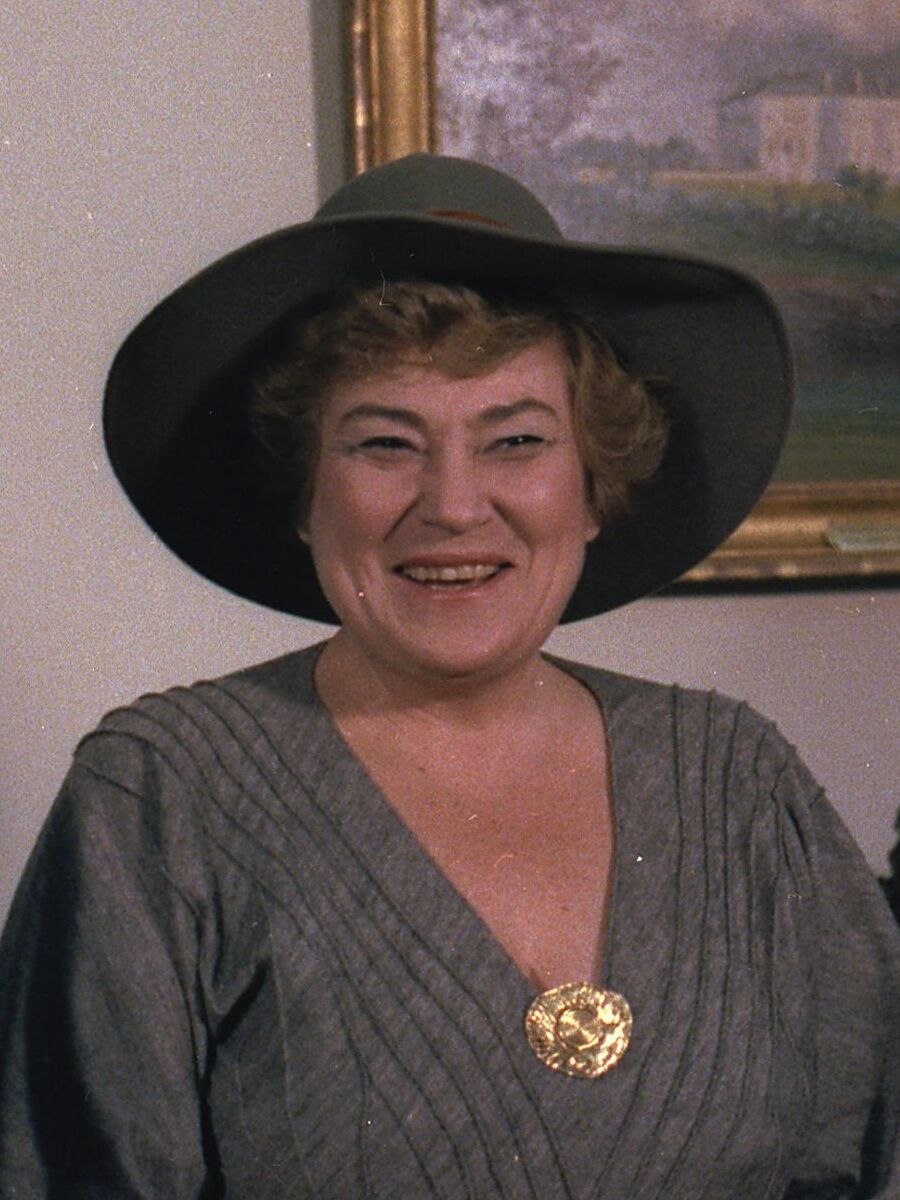
Abzug's public persona was theatrical and confrontational: she often wore wide-brimmed hats, used spirited rhetoric, and cultivated a combative image that earned her the nickname "Battling Bella." Her style helped draw attention to issues that were sometimes marginalized and made her a recognizable figure in the media and on the political stage.
Legacy
- Recognized as an important figure in second-wave feminism for insisting that women's concerns be taken seriously by political institutions.
- Credited with mentoring and inspiring a generation of women who sought elected office and public leadership roles.
- Remembered for linking the fight for gender equality with broader struggles for civil rights, environmental protection and peace.
Although she did not always prevail in every campaign she entered, Abzug's influence lasted through the organizations she helped create, the candidates she inspired and the public debates she shaped. Her career illustrates how legal training, electoral office and sustained activism can combine to advance social change.
Author
AlegsaOnline.com Bella Abzug: Lawyer, Congresswoman, and Leader of the Women's Movement Leandro Alegsa
URL: https://en.alegsaonline.com/art/135124