
A Vindication of the Rights of Woman
Mary Wollstonecraft's 1792 treatise advocating education and moral agency for women, its arguments, context, reception, and influence on later movements for women's rights.
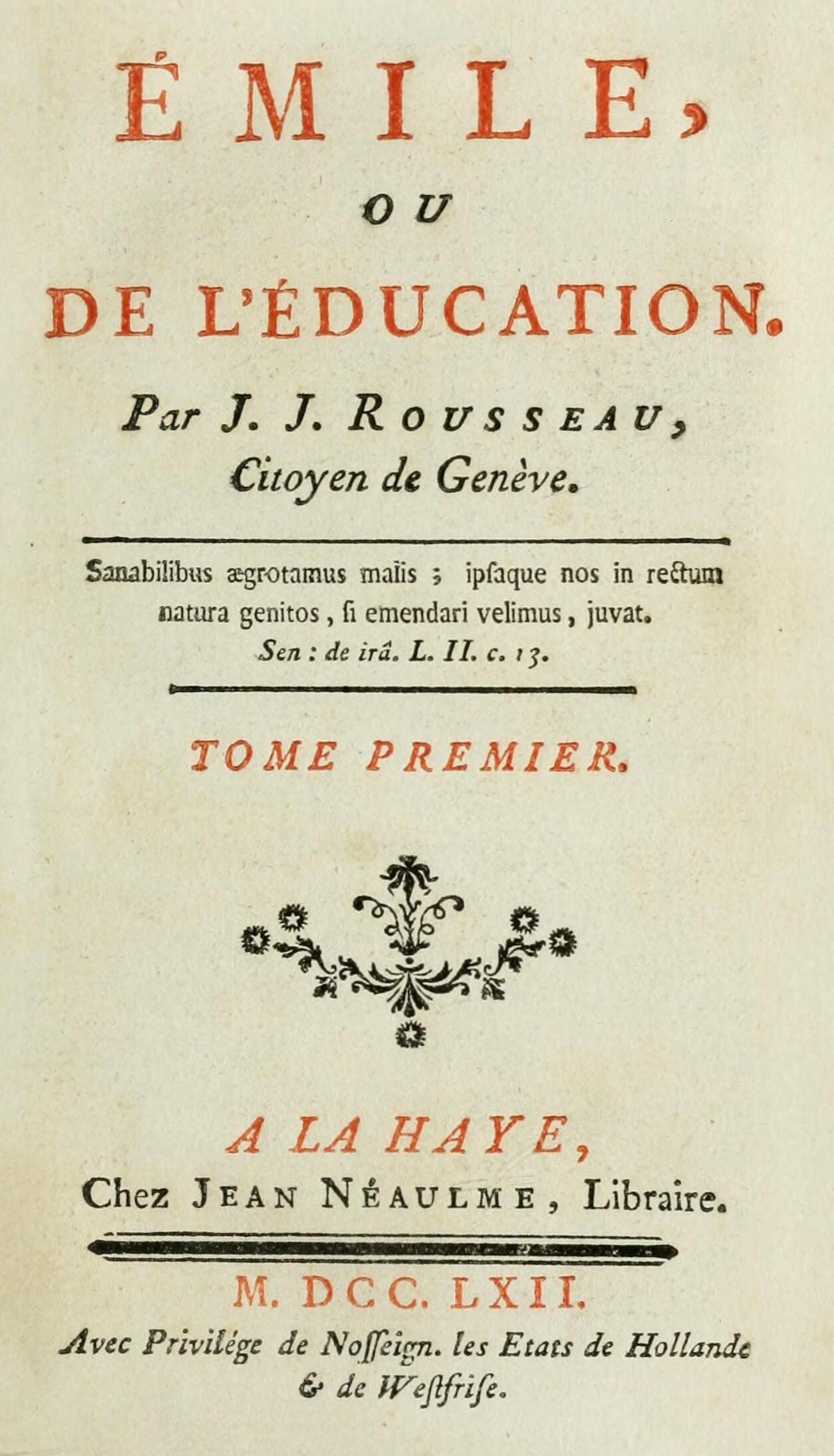
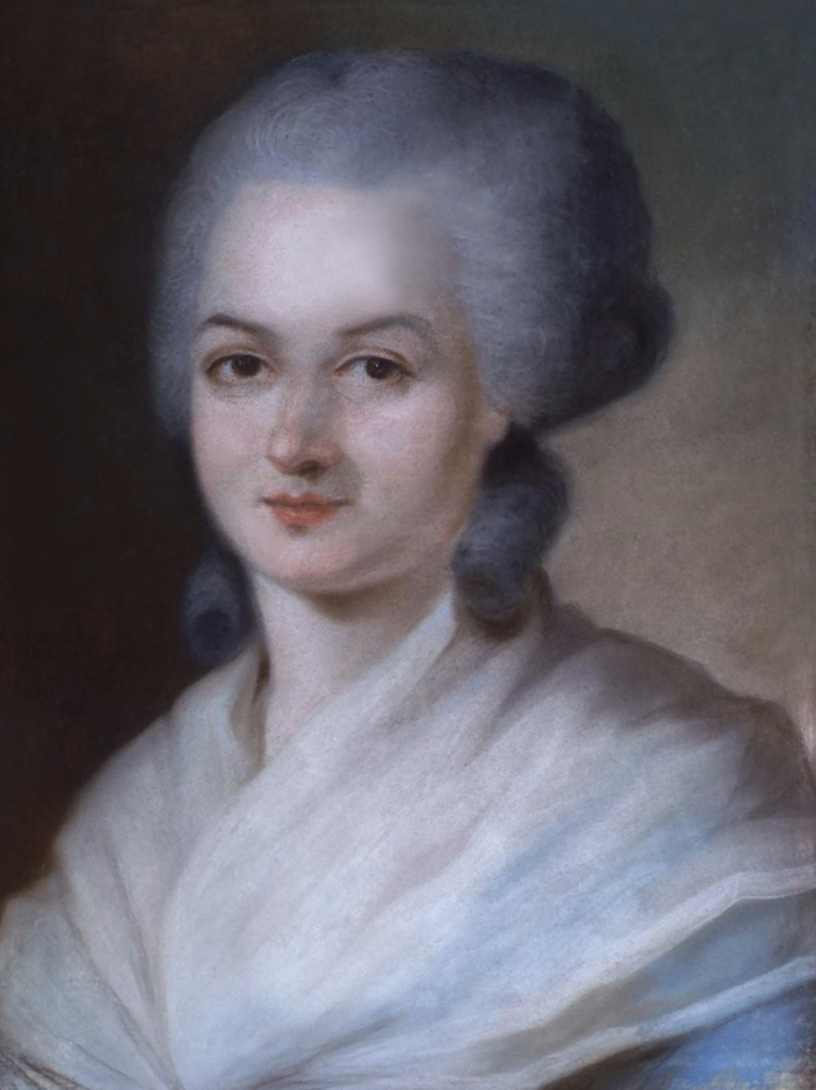
A Vindication of the Rights of Woman (full title often given in editions) is a political and philosophical work published in 1792 by Mary Wollstonecraft. Written in the wake of revolutionary debates about rights and citizenship, it argues that women should receive serious education and be treated as rational moral agents rather than ornaments or property. The book is commonly cited as one of the earliest influential works in the history of modern women’s rights, and it engaged directly with contemporary texts and officials who defended only limited instruction for women.
Image gallery
7 Images



Overview and central arguments
Wollstonecraft contends that women’s apparent inferiority to men is not natural but the product of social custom and deficient schooling. She insists that women must be taught to exercise reason, cultivate virtue, and participate in family and civic life with moral independence. Rejecting the idea that women exist principally to please men, she frames education as essential both for women’s individual development and for the welfare of society, since women commonly influence early childhood upbringing and domestic morals. Her tone mixes Enlightenment principles—reason, virtue, and rights—with practical prescriptions for schooling and character.
Historical context and prompt
The book was written during the late 18th century, a period shaped by Enlightenment thought and by political upheavals in Europe. Wollstonecraft crafted her reply in part to public statements and reports that recommended only superficial instruction for girls. In particular she addressed views expressed by public figures such as Talleyrand and engaged the broader debate about what social order and citizenship meant after revolutionary challenges to traditional authority. Her work intervened in questions about the family, education, sexual double standards, and the relationship of natural rights to practical reform.
Themes, style and notable claims
- Education: the book argues for systematic, rational instruction for girls rather than mere accomplishment training for display.
- Morality and reason: Wollstonecraft urges women to cultivate reasoned virtue so they can be independent moral actors.
- Domestic and civic importance: she emphasizes women’s role in child-rearing and domestic life as public goods.
- Critique of gender norms: she criticizes efforts to turn women into mere ornaments or ornaments and objects of exchange in marriage, rather than autonomous people, and opposes treating them as property.
Wollstonecraft also attacked the sexual double standards of her day and blamed cultural encouragement of excessive sentimentality for weakening women’s moral stature. While insisting on broad moral and educational equality, she did not claim that men and women were identical in all respects; instead she stressed equal opportunity to develop natural capacities. She emphasized that an educated woman could be a companion to her husband rather than only his dependent, and she declared that women should have authority over themselves.
Reception, limits and legacy
Initial responses were mixed but included serious attention from intellectuals and readers at the time of publication; the pamphlet was not universally condemned on first release. Later biographical disclosures about Wollstonecraft’s private life intensified controversy and affected her reputation, especially after the posthumous publication of personal memoirs. Scholars have debated whether to classify her as a ‘feminist’ in the modern sense—the term and some later concepts did not yet exist—but her arguments provided a foundation for later advocates of women’s rights. Her work influenced discussions about schooling, legal status, and women’s public roles across the nineteenth and twentieth centuries.
Further reading and related topics
- The original 1792 text and annotated editions offer direct access to her arguments; for a modern reader see editions linked in scholarly resources here.
- For biographical context consult studies of Wollstonecraft and the intellectual milieu of the 18th century.
- Discussions of feminism and its history provide perspective on how later movements drew on or departed from her ideas; see general surveys noted at introductory sources and academic overviews.
- Contemporary critiques and responses that Wollstonecraft addressed—on education, marriage, and public morals—include pamphlets and reports, some of which are cited in discussions of her targets and methods: on education and formal instruction see contemporary educational views and on social roles see arguments about social position.
- For her critiques of prevailing attitudes and double standards, consult commentary on her polemical passages and later reactions, including charge and defense documents referenced in scholarship here.
Wollstonecraft’s book has been the subject of sustained scholarly attention. Later commentators and friends, including her husband William Godwin, published material that shaped her posthumous reputation; readers often encounter discussion of these biographical issues in accounts such as Godwin’s memoirs. For an accessible introduction to her life and writings see the surveys and critical editions linked by general reference services and specialized bibliographies alike.
Questions and answers
Q: What is A Vindication of the Rights of Woman?
A: A Vindication of the Rights of Woman is a book written by Mary Wollstonecraft in 1792. It is known as one of the first books about feminism, and it was written as a reply to people who thought women should not get a formal education.
Q: Who wrote A Vindication of the Rights of Woman?
A: The book was written by Mary Wollstonecraft in 1792.
Q: What did Mary Wollstonecraft argue for in her book?
A: In her book, Mary Wollstonecraft argued that women should have an education that fits their position in society, and that they deserve the same basic rights as men. She also led an attack on sexual double standards and indicted men for encouraging women to indulge in lots of emotion.
Q: How did Mary Wollstonecraft respond to Charles-Maurice de Talleyrand-Périgord's report to the French National Assembly?
A: Mary Wollstonecraft used Charles-Maurice de Talleyrand-Périgord's report to write her reply in A Vindication of the Rights of Women. She argued against his opinion that women should only receive a very basic education.
Q: Was A Vindication of the Rights of Woman well received when it was first published?
A: Yes, when it was first published in 1792, A Vindication if the Rights fo Woman was actually well-received. One biographer has even called it "perhaps the most original book" from its century.
Q: Is Mary Wollstonecraft considered a modern feminist?
A: No, some people believe that she does not fit into modern feminism because she did not write that men and women are equal in all things - only certain areas such as morality - which makes it difficult to classify her as a modern feminist since they believe men and women are equal in all things.
Tags
Related articles
Author
AlegsaOnline.com A Vindication of the Rights of Woman Leandro Alegsa
URL: https://en.alegsaonline.com/art/135