
Boxe pieds-poings — overview of foot-and-fist striking sports
Boxe pieds-poings (feet-fists boxing) is the family of striking combat sports that combine punches and kicks. This article explains techniques, history, rule variations, equipment and distinctions.
Boxe pieds-poings is a French term literally meaning "feet-fists boxing" used to describe a family of striking combat sports in which competitors use both their hands and legs to attack. These sports are contested in a ring or on a mat and typically require boxing gloves and other protective equipment. In general usage the phrase groups disciplines such as kickboxing, Muay Thai, savate and related full‑contact systems under the umbrella of striking combat sports.
Image gallery
10 Images


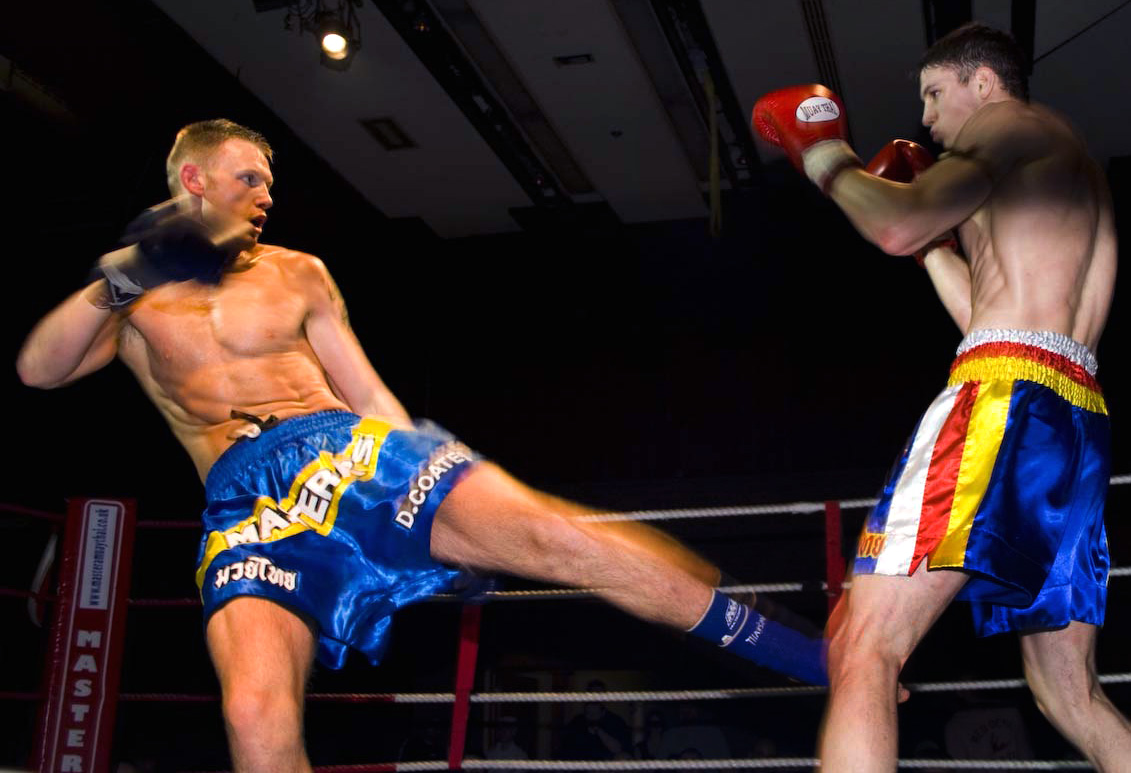
Core techniques and characteristics
Practitioners combine punches with a variety of leg and knee techniques. Typical offensive tools include straight and curved punches, uppercuts and hooks as well as front kicks, roundhouse kicks, side kicks and knee strikes. For the hand techniques see punches, and for leg techniques see kicks. Some rulesets also allow elbow strikes, clinch fighting and controlled throws. Fighters normally wear boxing gloves, mouthguards and groin or shin protection, though exact equipment requirements vary by organization and level of competition.
History and development
The sports grouped as boxe pieds-poings have diverse origins. Traditional arts such as Thailand's Muay Thai and France's savate contributed techniques and culture, while striking systems adapted from karate and Western boxing influenced modern full‑contact competitions. During the late 20th century these traditions were codified into rule sets for organized contests, and international promotions and federations helped standardize competition formats and weight classes.
Rules, format and safety
Rules differ widely from one discipline to another. Common distinctions include whether elbows and extended clinching are permitted, whether fighters wear shoes (as in some savate styles), and how matches are scored. Amateur and professional fights follow different protective and medical protocols. Safety measures—referees trained to stop fights, mandatory protective gear, medical checks and post‑bout reporting—are central to reducing risk for competitors.
Variations and how they differ
- Muay Thai: Emphasizes knees, elbows and clinch work in addition to punches and kicks.
- Kickboxing: A broad category; some rule sets prohibit elbows and limit clinch time.
- Savate: French foot‑fighting tradition that historically used shoes and distinctive kicking techniques.
- Full‑contact karate: Derived from karate; often emphasizes continuous striking under boxing‑style rules.
- K‑1 style: A commercial rule set that blends stand‑up techniques but restricts prolonged clinch and elbow use.
- MMA vs pieds‑poings: Mixed martial arts allow extensive grappling and ground fighting, which most pieds‑poings rules restrict or ban.
These variations mean two fighters billed under the same umbrella term may face quite different tactical and legal constraints in a bout.
Uses and cultural importance
Boxe pieds-poings sports serve multiple roles: competitive spectacle, professional career, fitness training and self‑defense. They have produced globally recognized events and have regional cultural importance—Muay Thai in Thailand and savate in France, for example. Governing bodies and local clubs promote youth development, referee education and safety standards to support sustainable practice.
For a general introduction to the category see striking combat sports, for protective equipment types consult resources on boxing gloves, and for technical breakdowns explore material on kicks and punches.
Questions and answers
Q: What is boxe pieds-poings?
A: Boxe pieds-poings is a combat sports category of striking with boxing gloves that has been practiced since the 1980s.
Q: What kind of techniques are used in boxe pieds-poings?
A: Boxers in boxe pieds-poings use leg techniques such as kicks and knee kicks, arm techniques such as punches and elbow strikes, and throwing techniques, as allowed by regulation.
Q: Is boxe pieds-poings practiced in a specific location?
A: Boxe pieds-poings is practiced in a ring or on a mat.
Q: What category of sport does boxe pieds-poings belong to?
A: Boxe pieds-poings belongs to the category of sport boxing.
Q: What are some of the most well-known sports within boxe pieds-poings?
A: Some of the most well-known sports within boxe pieds-poings include those that involve the use of leg, arm and throwing techniques.
Q: Why is boxe pieds-poings called "feet-fists boxing" in French?
A: Boxe pieds-poings is called "feet-fists boxing" in French because the sport involves the use of techniques from both the legs and the arms.
Q: Are there any regulations for boxe pieds-poings?
A: Yes, regulations dictate the types of techniques that are allowed in boxe pieds-poings, including leg, arm and throwing techniques.
Author
AlegsaOnline.com Boxe pieds-poings — overview of foot-and-fist striking sports Leandro Alegsa
URL: https://en.alegsaonline.com/art/13490