
Ana Castillo: Chicana Poet, Novelist, and Essayist
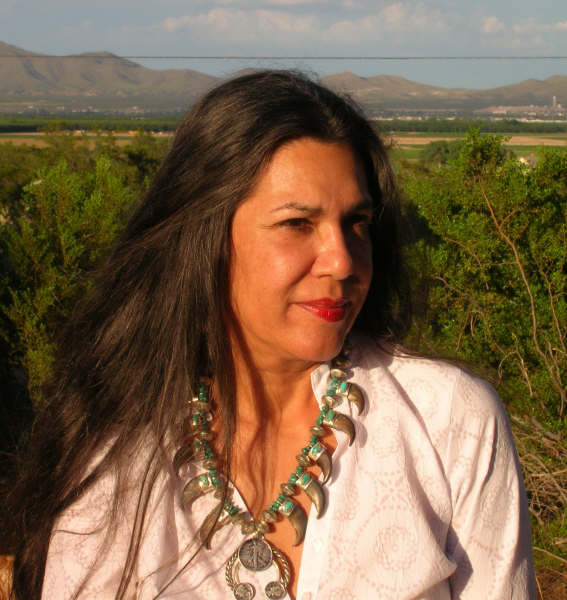
Ana Castillo (born 1953) is a Chicana writer from Chicago known for poetry, novels and essays that blend English and Spanish to explore Mexican‑American identity, feminism, race and social critique.
Overview
Ana Castillo (born June 15, 1953) is an American writer whose work has been central to late 20th‑ and early 21st‑century Chicana literature. Writing primarily in English and sometimes mixing Spanish or Spanglish, she addresses cultural memory, family histories, gender, and social inequality. Castillo’s pieces range from poetry and fiction to critical essays and occasional speculative work, and they reflect a commitment to giving voice to Mexican‑American and Chicana experiences.
Image gallery
2 Images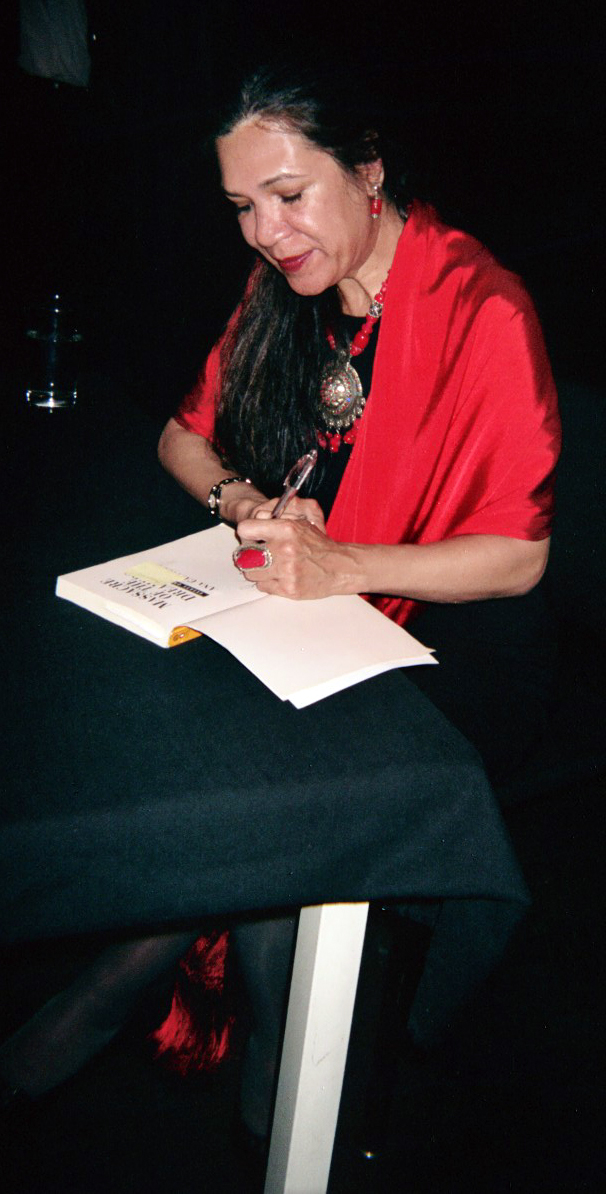
Early life and background
Castillo was born and raised in Chicago in a Mexican‑American household. Her early interest in literature was shaped by family stories and rituals; she reportedly composed some of her first poems as a child in response to family bereavement. These formative years informed recurring subjects in her work, including ancestral ties and urban life where U.S. and Mexican cultural elements intersect. For discussion of her family and ancestral themes see background on Mexican ancestry in her work.
Themes and style
Castillo’s writing is marked by direct social engagement and layered formal experimentation. She explores gender and feminism from the perspective of Chicana identity, interrogating patriarchal structures and intimate relations. Her essays and fiction frequently address race (race and ethnicity), sexuality (sex and desire), and shifting gender roles (gender and identity). Stylistically she moves between lyrical lines, satirical passages, and magical or speculative elements, at times incorporating a hybridized language that reflects bilingual communities.
Major works
- The Invitation (1979) — an early collection that established her poetic voice.
- Women Are Not Roses (1984) — poetry addressing womanhood and cultural expectations.
- So Far from God (1993) — a widely read novel combining social critique with magical realism.
- Massacre of the Dreamers (1994) — a book of essays and cultural criticism reflecting on activism, literature, and community.
- Shorter works and occasional speculative pieces that engage with futures and alternate realities; she has also written within forms that might be described as science fiction and speculative fiction.
Legacy and importance
Castillo is regarded as a significant voice in Chicana/o studies and contemporary American letters. Her blend of political urgency, poetic language, and culturally specific detail broadened conversations about identity, feminism, and literature in bilingual contexts. Educators and scholars frequently assign her prose and poetry to examine intersections of race, gender, and class, and her work has influenced both writers and activists working in Latino and feminist communities.
Further reading and context
Readers seeking introductions to Castillo’s work can consult her major collections and critical essays, and explore discussions of Chicana literature and feminist cultural criticism. Online and institutional resources provide biographical notes, bibliographies, and critical commentary that situate her writing within broader literary and social movements; see general resources on her cultural themes at ancestral and cultural contexts and discussions of her essays on race, sexuality, and gender.
Questions and answers
Q: Who is Ana Castillo?
A: Ana Castillo is a Chicana poet, novelist, and essayist who was born and raised in Chicago.
Q: What language does Ana Castillo write in?
A: Ana Castillo writes in English, but sometimes uses Spanglish words and phrases in her writing.
Q: What is the subject matter of Ana Castillo's writing?
A: Ana Castillo writes stories about her Mexican ancestors and essays about race, sex, and gender in the United States and Mexico.
Q: When did Ana Castillo write her first poems?
A: Ana Castillo wrote her first poems when she was nine years old, about the death of her Latina grandmother.
Q: What are some of Ana Castillo's famous books?
A: Ana Castillo's famous books include The Invitation (1979), Women Are Not Roses (1984), and Massacre of the Dreamers (1994).
Q: Does Ana Castillo only write about serious topics?
A: No, Ana Castillo also writes science fiction in addition to her other writing.
Q: What topics does Ana Castillo explore in her essays?
A: In her essays, Ana Castillo explores topics such as race, sex, and gender, particularly in relation to the United States and Mexico.
Tags
Related articles
Author
AlegsaOnline.com Ana Castillo: Chicana Poet, Novelist, and Essayist Leandro Alegsa
URL: https://en.alegsaonline.com/art/134450