
Aleut language (Unangam Tunuu)
Aleut (Unangam Tunuu) is an Eskimo–Aleut language spoken by the Unangax̂ across the Aleutian and Commander islands. This article summarizes its features, history, dialects, and revitalization efforts.
Overview
The Aleut language, known to native speakers as Unangam Tunuu, is the traditional language of the Aleut or Unangax̂ people. It belongs to the Eskimo–Aleut family and historically has been spoken across the Aleutian chain, the Pribilof Islands and parts of the Commander Islands. Communities that use or identify with the language are found in what is today the U.S. state of Alaska and in parts of Russia. The language is now classified as an endangered language, with relatively few fluent speakers and active efforts to preserve and revive it.
Image gallery
2 Images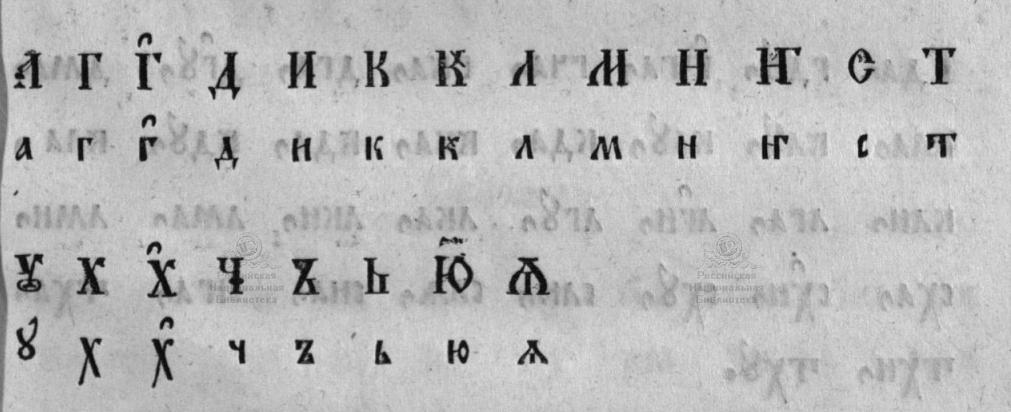

Language characteristics
Aleut is noted for its rich morphology and use of suffixes to mark grammatical relationships. Words are often formed by adding a sequence of suffixes to a root, creating complex verb and noun forms. Its sound system includes consonants and vowels that contrast in ways different from English; certain consonants articulated at the back of the mouth are characteristic. Word order tends toward subject–object–verb, and derivation and inflection play a central role in building meaning.
History and distribution
The language developed over centuries among island and coastal communities whose livelihoods centered on maritime hunting and fishing. Contact with Russian explorers and traders in the 18th and 19th centuries brought dramatic social change, including new religious influences and bilingualism in many communities. Despite those changes, Aleut maintained a strong oral tradition until the 20th century when disease, relocation and assimilation policies reduced the number of speakers.
Dialects
Aleut includes several dialect groups with regional variation in pronunciation, vocabulary and some grammatical features. Major varieties are often grouped as eastern, central and western dialects, with smaller island-specific forms. Mutual intelligibility can be limited between distant dialects, and different writing systems have been used at times, including Latin-based orthographies in Alaska and Cyrillic in Russian areas.
Status and revitalization
Because fluent speakers are largely elderly, community programs emphasize documentation, teaching and transmission to younger generations. Revitalization activities include classroom instruction, language nests, recorded archives of native speakers, bilingual publications and community workshops. Linguists and native teachers collaborate to produce dictionaries, grammars and teaching materials to support learning.
Notable facts
- Aleut is distinct from neighboring Inuit and Yupik languages, though they share a distant family relationship.
- The self-name Unangam Tunuu reflects a living cultural identity that many communities seek to strengthen.
- Practical revitalization combines modern media, formal schooling and cultural programs to encourage everyday use.
Together, these linguistic, historical and community perspectives show Aleut as a language with deep regional roots and ongoing efforts to remain a spoken and cultural resource for future generations.
Questions and answers
Q: Who speaks the Aleut language?
A: The Aleut people speak the Aleut language.
Q: Where do the Aleut people live?
A: The Aleut people live in the U.S. state of Alaska and in Russia.
Q: What do the Aleut people call their language?
A: The Aleut people call their language Unangam Tunuu.
Q: What do the Aleut people call themselves?
A: The Aleut people call themselves Unangax̂.
Q: Why is the Aleut language considered endangered?
A: The Aleut language is considered endangered because fewer people are speaking it.
Q: What are the Aleut people doing to prevent their language from dying out?
A: The Aleut people are trying to teach the language to others and encourage them to use it so it won't die out.
Q: What is the significance of preserving endangered languages such as the Aleut language?
A: Preserving endangered languages such as the Aleut language is important as it preserves cultural heritage, history and traditional knowledge. It also fosters linguistic diversity and understanding.
Author
AlegsaOnline.com Aleut language (Unangam Tunuu) Leandro Alegsa
URL: https://en.alegsaonline.com/art/134257