
Aberdeen F.C.: history, stadium, achievements and rivalries
Comprehensive overview of Aberdeen Football Club: origins, stadium, honours, notable eras and supporter patterns, with context on rivalries and distinctive contributions to Scottish football.
Aberdeen Football Club is a professional association football club based in the city of Aberdeen in north-east Scotland. Commonly known by nicknames such as "The Dons", "The Reds" and "The Dandies", the club competes in Scotland's top domestic competition, long referred to as the Scottish Premier League and today organised within the national league structure. Aberdeen has a long regional catchment and a national profile as one of the country's most successful teams.
Image gallery
10 Images



Origins and development
The club was founded in 1903 through the amalgamation of three local sides, a move intended to concentrate talent and support into a single representative city team. For much of the early 20th century Aberdeen was a steady, if not dominant, presence in Scottish football. The first sustained era of domestic success came in the 1950s under manager Dave Halliday, when the side won major national trophies. A later, more prominent golden era arrived in the 1980s under Alex Ferguson, when the club secured multiple league championships and cup victories and achieved rare success on the European stage.
Stadium and identity
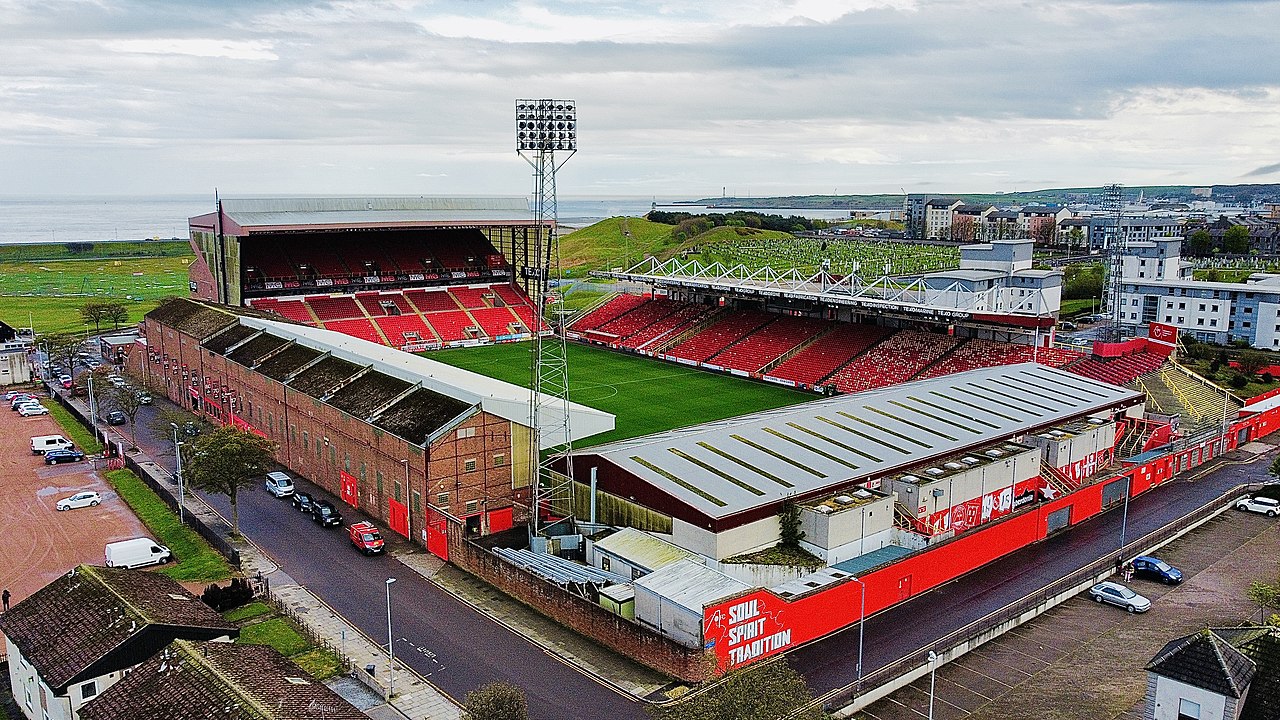
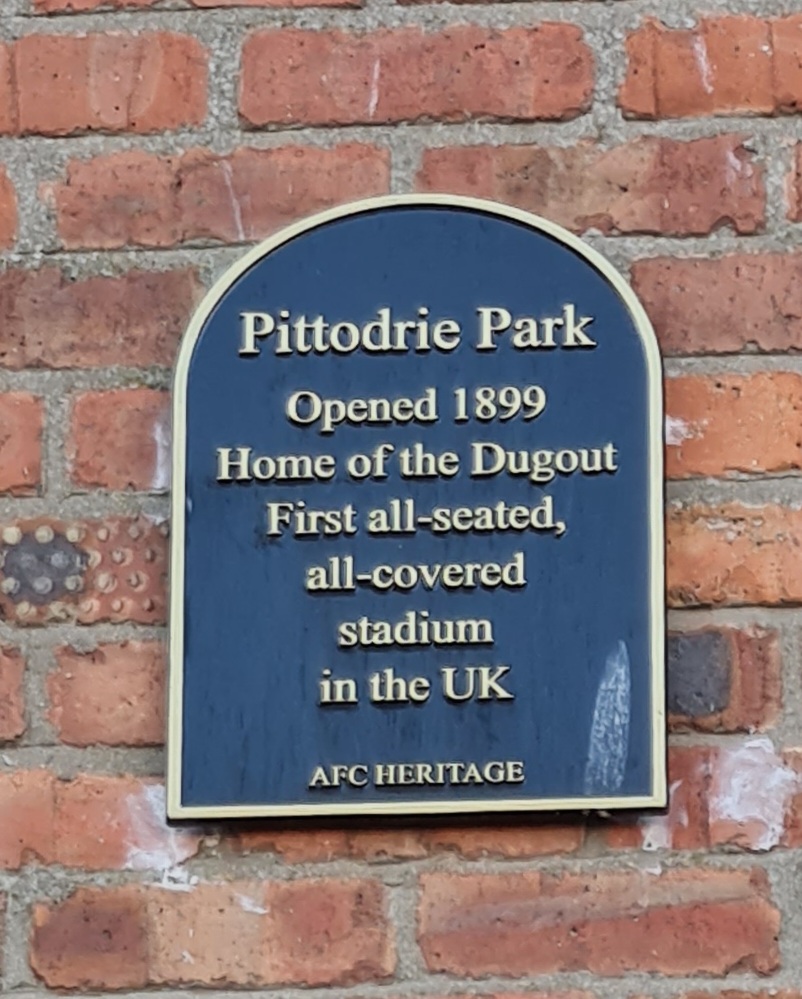
Aberdeen have played at Pittodrie Stadium since their formation. Pittodrie is one of Scotland's better-known grounds and has a long association with the club's identity; it has been associated with pioneering developments in stadium design in Britain and historically reported capacities around 22,000 spectators. The venue is often linked with early moves to all-seated and covered stands and with the introduction of the dugout, an innovation credited to coach Donald Colman. The club's traditional colours are red and white, adopted widely since the late 1930s; earlier playing strips included black and gold vertical stripes.
Major honours and European achievements
Aberdeen's trophy cabinet includes multiple Scottish league championships and several Scottish Cup victories. The club won four national league titles and seven Scottish Cup finals across its history, along with other domestic cups. In continental competition Aberdeen achieved a rare distinction for a Scottish club by winning two European trophies in the same period: the European Cup Winners' Cup and the European Super Cup, both secured in the early 1980s. That decade also saw Aberdeen become the last club outside the following pairing to lift the national title in 1984–85: the long-standing Glasgow pair often referred to as the Old Firm.
Supporters, rivals and regional role
Aberdeen's support is strongest across the city and the surrounding north-east region; as the principal senior club in a wide area, it draws fans from towns and rural communities where there are few other high-level alternatives. The club's nearest senior neighbours are based in the city of Dundee, and historical rivalries include contests with Dundee United, particularly during the high-profile 1980s period often labelled the "New Firm". In later years matches with Rangers and the other Glasgow clubs have been competitive and intense, though those rivalries sit below the long-established Old Firm rivalry in scale and national attention.
Distinctive facts and continuing legacy
Beyond trophies, Aberdeen's legacy includes contributions to Scottish coaching and player development and a reputation for producing strong, organised teams capable of competing at domestic and European levels. The club has been a launching point for notable managers who later worked at higher-profile clubs, as well as a focal point for community and regional identity. For readers seeking more detailed historical timelines, statistical records and up-to-date season information, please consult club histories and specialised football archives available through national and fan-run resources (see links and references below).
- Established: 1903 (amalgamation of three Aberdeen clubs)
- Home ground: Pittodrie Stadium (longstanding home)
- Colours: red and white (since c. 1939); earlier black and gold striping
- Domestic honours: multiple league titles and Scottish Cups
- European honours: Cup Winners' Cup and European Super Cup (early 1980s)
Further reading and official material can be located via club channels and historical summaries at recognised sport history sites: Scottish football resources, association football archives, and dedicated regional pages about stadium developments. For information on local geography and adjacent clubs see pages about Dundee, Dundee United and national rivals such as Rangers. Additional context on league structures and competitions is available through competition and governing body summaries.
Questions and answers
Q: What is the name of Aberdeen Football Club?
A: The official name of Aberdeen Football Club is also known as The Dons, The Reds and The Dandies.
Q: How many league titles have they won?
A: Aberdeen Football Club has won four league titles.
Q: How many Scottish Cups have they won?
A: They have won seven Scottish Cups.
Q: What European trophies did they win in the same year?
A: They are the only Scottish team to have won two European trophies in the same year.
Q: Who was their manager when they achieved success in the 1950s?
A: Their manager during this period of success was Dave Halliday.
Q: When did they last win a league title outside of the Old Firm?
A: Aberdeen were the last club outside of the Old Firm to win a league title, in 1984–85.
Q: What is their stadium called and what capacity does it hold?
A: Their stadium is called Pittodrie Stadium and it currently has a capacity of 22,199 people.
Author
AlegsaOnline.com Aberdeen F.C.: history, stadium, achievements and rivalries Leandro Alegsa
URL: https://en.alegsaonline.com/art/134058