
A. Philip Randolph — Labor Leader and Civil Rights Organizer
A. Philip Randolph (1889–1979) was an influential African-American labor leader and civil rights organizer who founded the Brotherhood of Sleeping Car Porters and helped force federal action against workplace discrimination.
Asa Philip Randolph (April 15, 1889 – May 16, 1979) was a prominent American labor leader and civil rights activist whose work linked organized labor with the fight for racial equality. Over several decades he built institutions and campaigns that improved wages, working conditions and political influence for African-American workers. Randolph combined long-term union organizing with high-profile mass-action strategies to pressure employers and government officials into reform.
Image gallery
8 Images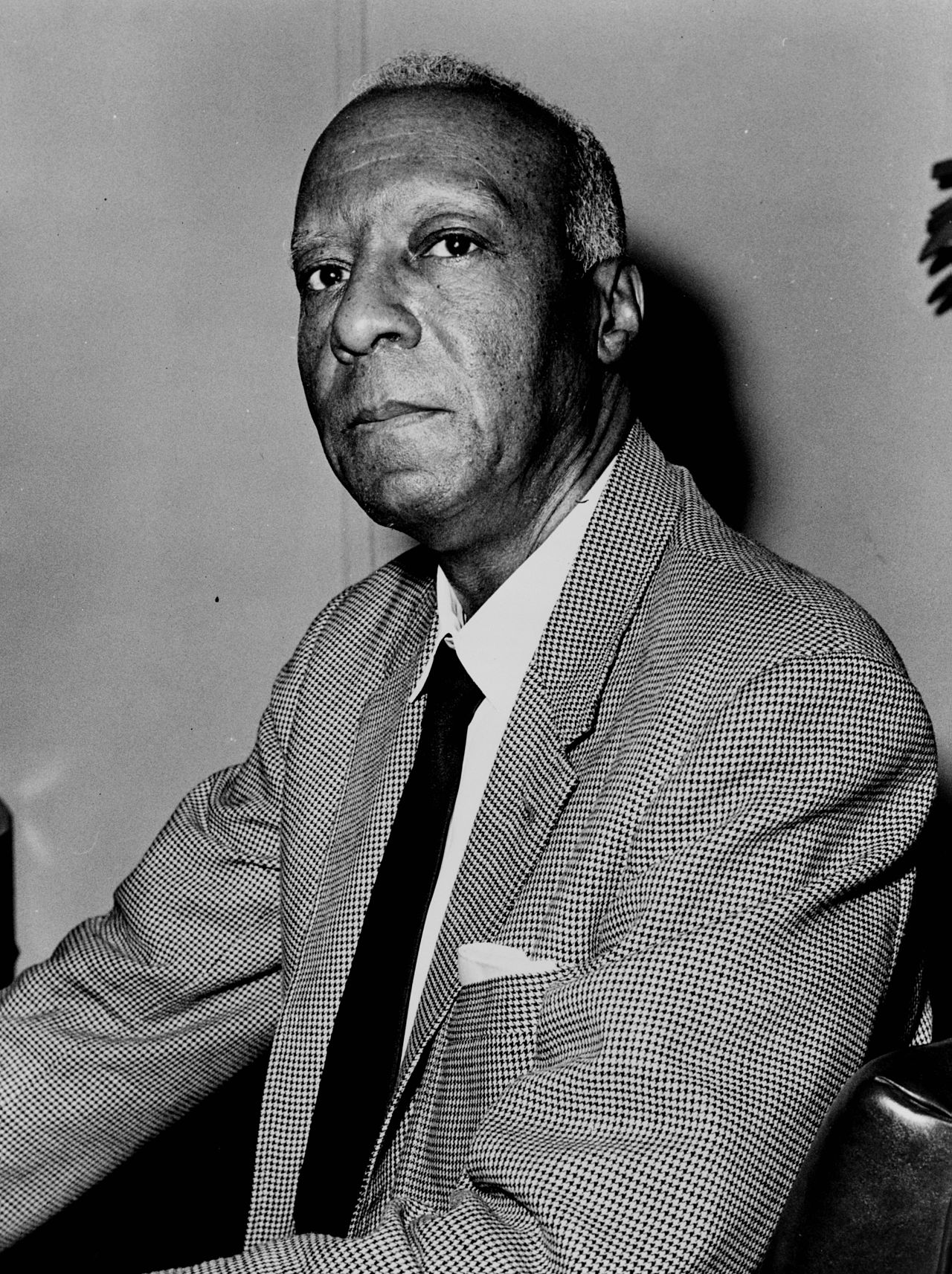


Early life and organizing
Randolph was born in Florida and came of age during the era of World War I. In the 1910s and 1920s he turned to organized labor and left-leaning politics to challenge employment barriers faced by Black workers. During the World War I period he sought to unionize shipyard workers and elevator operators and co-launched a political and cultural magazine intended to raise awareness of labor and racial issues in the Black community; this period of grassroots work established his reputation as a determined organizer and public intellectual. For contemporary background, see World War I era organizing.
Brotherhood of Sleeping Car Porters
The most enduring achievement of Randolph's career was the founding of the Brotherhood of Sleeping Car Porters in the mid-1920s, an independent union formed to represent Pullman porters and other railroad service employees. The Brotherhood became the first major African-American labor union to gain recognition by a large employer and to negotiate contracts that improved pay and working conditions for its members. After years of persistent organizing, strikes and political pressure, the union won recognition and became a model for subsequent Black-led labor movements.
Political strategy and civil rights impact
Randolph used a mix of direct action, coalition building and negotiation to advance civil rights. In the early 1940s he threatened a mass march on Washington to protest discrimination in defense industries and federal employment; the threat prompted President Franklin D. Roosevelt to issue a wartime order banning discriminatory practices in defense jobs. Later, Randolph was a principal organizer of the 1963 March on Washington for Jobs and Freedom, working alongside other civil rights leaders to demand equal employment, voting rights and an end to segregation. His approach emphasized nonviolent pressure on the federal government and alliances between Black labor and liberal political forces.
Awards, recognition and legacy
Over his lifetime Randolph received major honors recognizing his contributions to civil rights and labor. He was awarded the Spingarn Medal by the NAACP in the early 1940s (Spingarn Medal) and later received the Presidential Medal of Freedom from President Lyndon B. Johnson (Presidential Medal of Freedom). His career extended into the late 20th century and he remained a moral voice for labor rights and interracial cooperation until his death in 1979. Today Randolph is remembered both for founding an influential Black labor union and for helping to shape the strategy of the modern civil rights movement.
- Founded the Brotherhood of Sleeping Car Porters, a pioneering African-American union.
- Used planned mass demonstrations to leverage federal policy changes, including anti-discrimination measures during World War II.
- Co-organizer of the 1963 March on Washington, a defining moment in the civil rights era.
- Recipient of major national honors, including the Spingarn Medal and the Presidential Medal of Freedom.
Randolph's legacy lies in the intersection of labor rights and racial justice: he demonstrated how organized workforces and disciplined public protest could produce durable changes in law, employment practices and public opinion. For further reading on his campaigns and the organizations he led, consult archival collections and historical studies of 20th-century American labor and civil rights movements. More resources and context are available via primary-era accounts, institutional histories at the NAACP, medal citations such as the Spingarn Medal, and summaries of national honors like the Presidential Medal of Freedom presented by federal officials.
Questions and answers
Q: Who was A. Philip Randolph?
A: A. Philip Randolph was a social activist who fought for labor rights for African-American communities during the 20th century.
Q: What did A.Philip Randolph attempt to do during World War I?
A: During World War I, A. Philip Randolph attempted to unionize African-American shipyard workers and elevator operators.
Q: What did A. Philip Randolph co-launch during World War I?
A: During World War I, A. Philip Randolph co-launched a magazine designed to encourage demand for higher wages.
Q: What was the Brotherhood of Sleeping Car Porters?
A: The Brotherhood of Sleeping Car Porters was the first official African-American labor union which was founded by A. Philip Randolph.
Q: When did A. Philip Randolph receive the National Association for the Advancement of Colored People, Spingarn Medal?
A: In 1942, A. Philip Randolph received the National Association for the Advancement of Colored People, Spingarn Medal.
Q: When was A. Philip Randolph awarded the Presidential Medal of Freedom by the President Lyndon B. Johnson?
A: A. Philip Randolph was awarded the Presidential Medal of Freedom by the President Lyndon B. Johnson on September 14, 1964.
Q: What is the significance of A. Philip Randolph's work in history?
A: A. Philip Randolph's work in fighting for labor rights for African-American communities and his founding of the Brotherhood of Sleeping Car Porters has been significant in advancing civil rights and equality for African Americans in the United States.
Author
AlegsaOnline.com A. Philip Randolph — Labor Leader and Civil Rights Organizer Leandro Alegsa
URL: https://en.alegsaonline.com/art/134029