
2020 Formula One World Championship
The 71st FIA Formula One season, reshaped by the COVID-19 pandemic. A curtailed, reworked calendar ran from 5 July in Austria to 13 December in Abu Dhabi under strict health controls.
The 2020 Formula One World Championship was the 71st edition of motor racing's premier open-wheel series. The season was heavily affected by the global COVID-19 pandemic, which forced an unprecedented postponement and a major reworking of the race calendar. When competition resumed, teams and drivers faced condensed logistics, altered schedules and events held with limited or no spectators.
Image gallery
10 Images

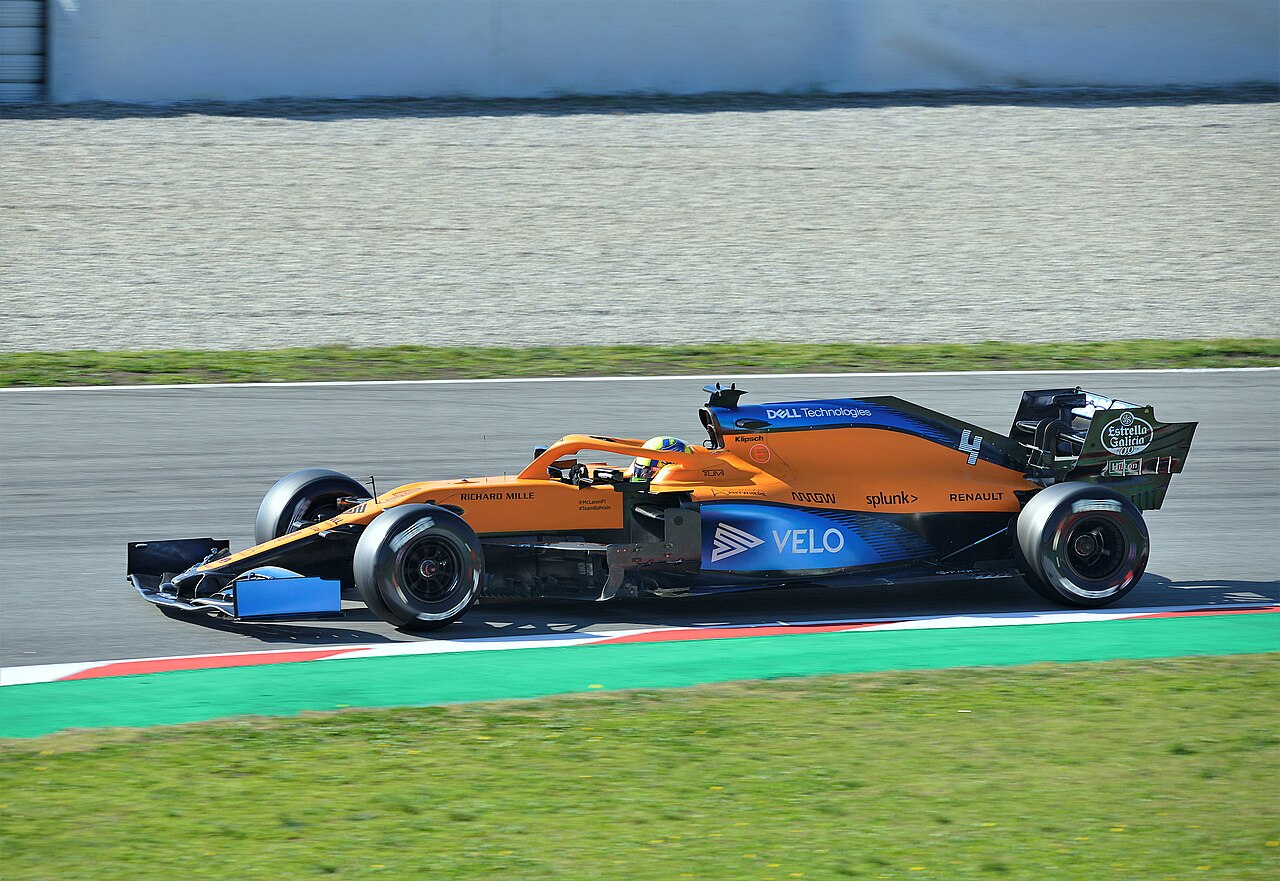


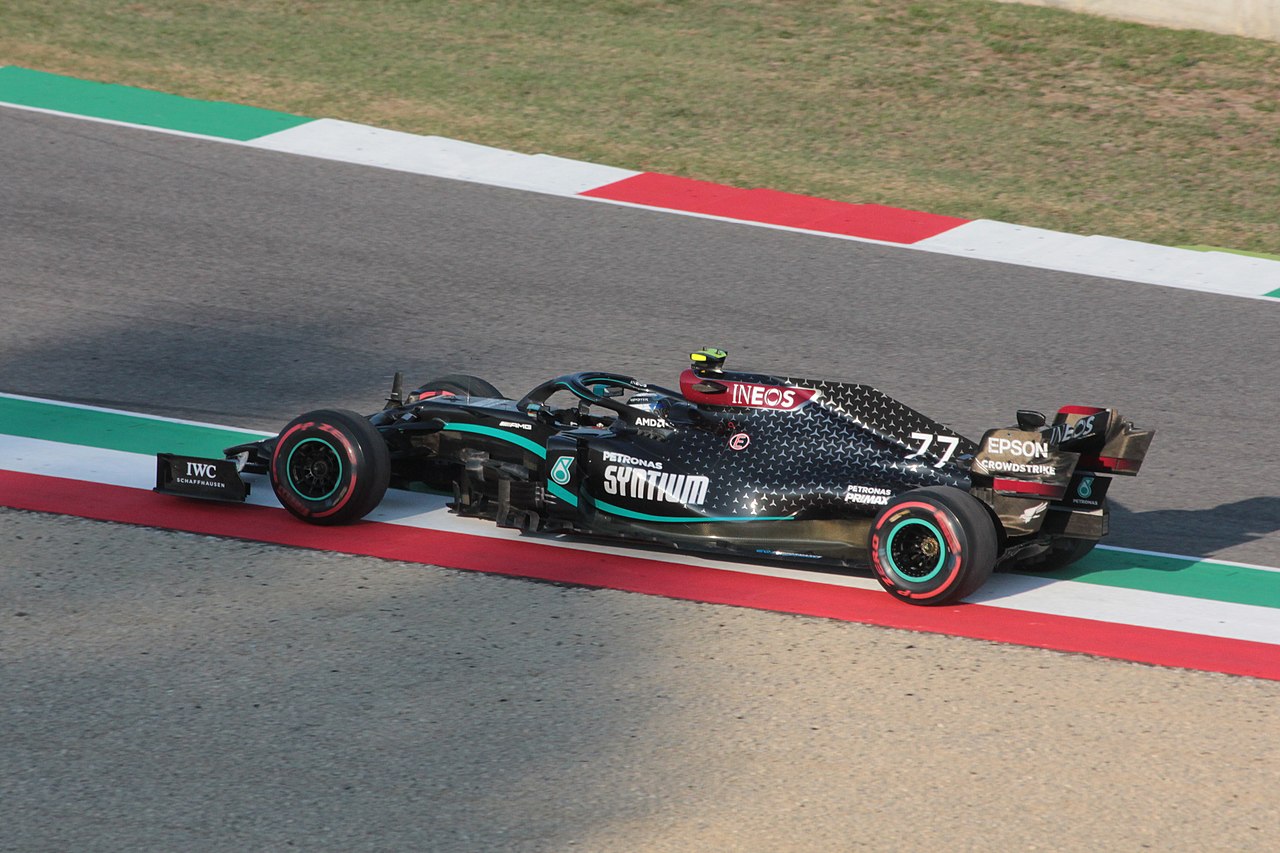


Revised calendar and venues
Organizers produced a new calendar that prioritized circuits able to host races under the pandemic restrictions. The championship began on 5 July at the Red Bull Ring for the Austrian Grand Prix and concluded on 13 December in the Gulf at the Abu Dhabi Grand Prix. Several venues returned or appeared in revised form, and some traditional rounds were cancelled.
- New or revived races included Mugello (Tuscan Grand Prix), Imola (Emilia Romagna Grand Prix), Portimão and the Nürburgring.
- Some venues hosted two races on consecutive weekends, and layout variations were used at a few circuits to increase variety.
- Several scheduled Grands Prix were cancelled for the year, including historic events that could not meet local health and travel requirements.
Competition, champions and teams
Despite the disrupted season, the competitive hierarchy remained recognizable. Mercedes maintained its dominance in the constructors' standings, while Lewis Hamilton secured his seventh drivers' world title, a milestone that placed him level with a sport record. Across the season, established teams and new challengers recorded notable results, and several races produced unexpected podiums and dramatic moments.
Health measures and operational changes
Races in 2020 were staged with rigorous hygiene protocols, frequent testing, restricted team personnel and travel bubbles to limit viral transmission. Many Grands Prix were run behind closed doors or with strictly reduced attendance. These precautions shaped paddock life, media access and the logistics of moving teams between events during a compact schedule.
Legacy and notable aspects
The 2020 championship demonstrated Formula One's flexibility in crisis conditions: a shortened, primarily European start to the season, then a shift to the Middle East for the finale. The season introduced circuit variety and scheduling innovations that influenced later calendars. It is remembered both for its sporting outcomes and for the ways the series adapted operations in response to a global emergency.
For further details about the season's races, results and regulation changes, see official summaries and reports from that year.
Questions and answers
Q: What is the 2020 Formula One World Championship?
A: The 2020 Formula One World Championship is the 71st season of the motor racing championship, which is the highest class of competition for open-wheel racing cars.
Q: Was the 2020 season affected by any external factors?
A: Yes, the 2020 season was delayed by the COVID-19 pandemic.
Q: When did the 2020 season start?
A: The 2020 season started on 5 July in Austria.
Q: When did the 2020 season conclude?
A: The 2020 season finished on 13 December in Abu Dhabi.
Q: How many seasons have there been for the Formula One World Championship so far?
A: The 2020 season marks the 71st season of the Formula One World Championship.
Q: What is the highest class of competition for open-wheel racing cars?
A: The highest class of competition for open-wheel racing cars is the Formula One World Championship.
Q: Was the delay in the 2020 season the first time a delay has occurred in the history of the championship?
A: There has been delays in the championship before, however, the cause of this delay (COVID-19) was unprecedented.
Author
AlegsaOnline.com 2020 Formula One World Championship Leandro Alegsa
URL: https://en.alegsaonline.com/art/133780