
2018 Formula One World Championship
The 69th FIA Formula One World Championship (2018) ran from March to November, with 21 Grands Prix. Lewis Hamilton won the drivers' title and Mercedes secured the constructors' championship.
The 2018 Formula One World Championship was the 69th running of the FIA's highest class of single-seater motor racing. The series comprised a global calendar of Grands Prix that tested teams and drivers across a variety of circuits, surfaces and climates. The season began with the Australian Grand Prix on 25 March and concluded at the Abu Dhabi Grand Prix on 25 November.
Image gallery
10 Images
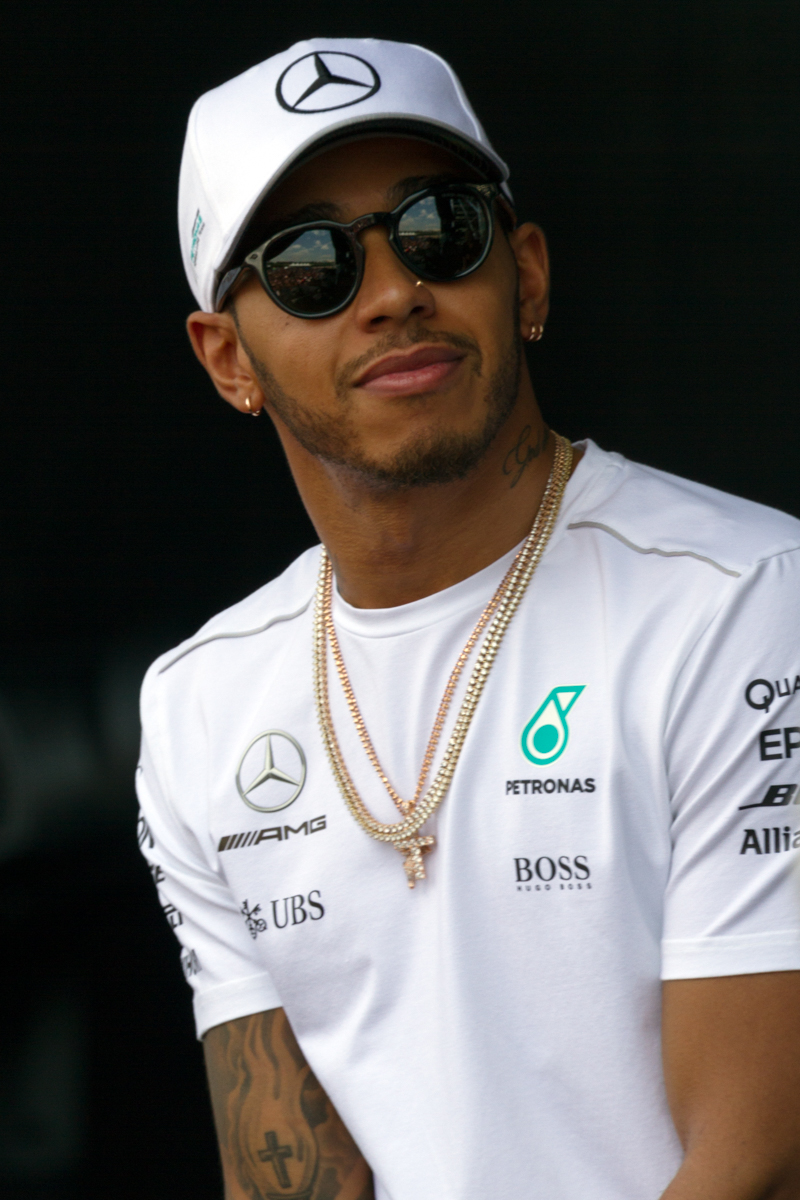
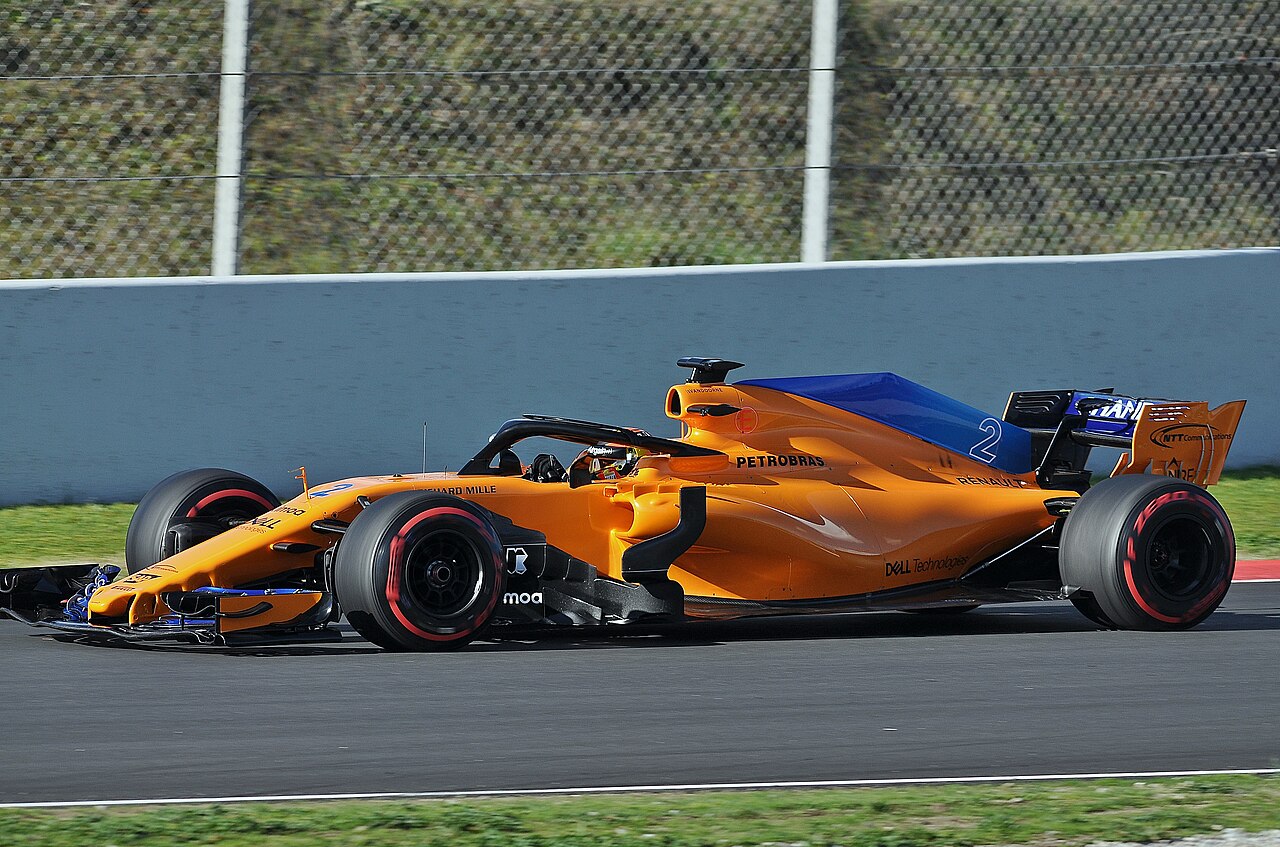


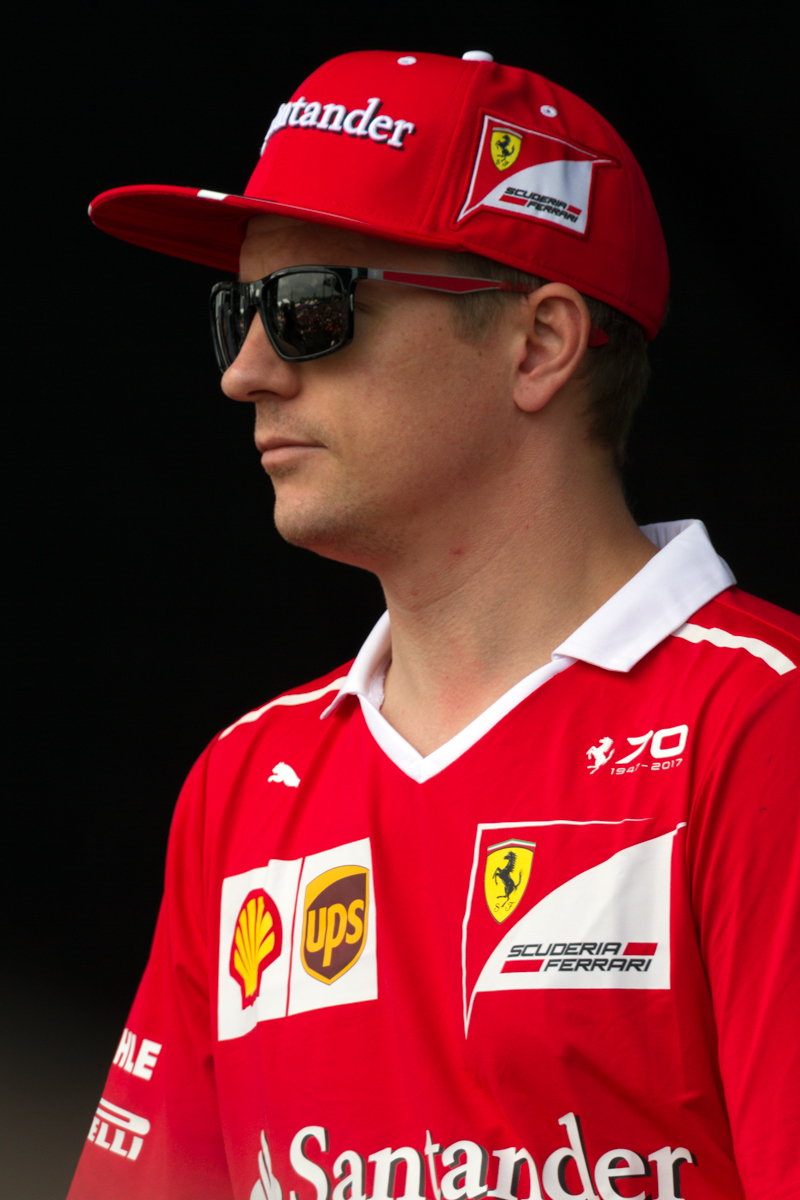
Season summary
The championship featured 21 races held on purpose-built tracks and street circuits around the world. Over the course of the year the drivers' and constructors' championships were contested under the contemporary sporting and technical rules for turbo-hybrid, V6-powered cars. Lewis Hamilton claimed the drivers' championship for Mercedes, while Mercedes also won the constructors' title, continuing a period of dominance for the Silver Arrows. Several teams were closely competitive, notably Ferrari and Red Bull Racing.
Cars, regulations and safety
Cars in 2018 were part of the turbo-hybrid era, introduced in 2014, featuring 1.6-litre V6 engines with energy-recovery systems. A notable safety change implemented this season was the mandatory use of the "halo" cockpit protection device, designed to reduce the risk of head injuries from debris or collisions. Pirelli remained the sole tyre supplier, with tyre strategy continuing to play a decisive role in race outcomes.
Format and points
The championship used the established points system that awards points to the top finishers in each race for both drivers and constructors. Points from each Grand Prix were accumulated to determine the season champions. Races varied in length but were governed by maximum time and lap limits, pit-stop strategies, tyres and fuel-management rules.
Notable themes and significance
Throughout the season the title fight involved intense competition at the front of the field and frequent strategic battles between teams. The 2018 season reinforced trends in modern Formula One: technological innovation, aerodynamic development, and continual attention to driver safety. The championship also remained a major global sporting product with large international audiences, sponsorship activity and significant commercial impact.
Key facts
- Season number: 69th FIA Formula One World Championship.
- Calendar span: 25 March to 25 November, with 21 Grands Prix.
- Drivers' champion: Lewis Hamilton (Mercedes).
- Constructors' champion: Mercedes.
For a race-by-race listing, regulations and team line-ups consult the official season summary pages: season overview, race calendar, and technical regulations. Further historical context and statistical details are available at specialist archives and motorsport references: season records and team histories.
Questions and answers
Q: What is the 2018 Formula One World Championship?
A: The 2018 Formula One World Championship is the 69th season of the Formula One World Championship, which is the highest class of competition for open-wheel racing cars.
Q: When did the 2018 season start?
A: The 2018 season started with the Australian Grand Prix on March 25, 2018.
Q: When did the 2018 season end?
A: The 2018 season ended with Abu Dhabi Grand Prix on November 25, 2018.
Q: What type of cars are used in this championship?
A: This championship uses open-wheel racing cars.
Q: How many seasons have there been so far in this championship?
A: There have been 69 seasons so far in this championship.
Q: Who won the championship in 2018?
A: The winner of the championship in 2018 has not yet been determined.
Q: Where was the first race held during this season?
A: The first race during this season was held at the Australian Grand Prix on March 25, 2018.
Author
AlegsaOnline.com 2018 Formula One World Championship Leandro Alegsa
URL: https://en.alegsaonline.com/art/133732