
2017 Women's March
A large international protest on 21–22 January 2017 opposing the inauguration of Donald Trump and advocating for women's rights, civil liberties and social justice; demonstrations took place worldwide, including Antarctica.
The 2017 Women's March was a mass protest held primarily on 21 January 2017, the day after the presidential inauguration in Washington, D.C. It began as a spontaneous, largely grassroots response to the inauguration of Donald Trump and to broader concerns about the incoming administration's positions on gender, immigration, health care and civil liberties. Organizers described the action as a demonstration in defense of women's rights and human rights more generally, with solidarity events taking place across the United States and around the world.
Origins and organization. The idea for coordinated marches was seeded by several independent organizers and online communities. A widely reported initial call came from a private note that was shared publicly, and a core group of national co‑chairs and volunteers helped convert local interest into formal sister marches. Prominent organizers and spokespeople were associated with the national Women's March coalition, which supported local chapters and logistical planning for events.
Scale and locations. Attendance estimates varied by location and source; estimates for the demonstration in Washington, D.C., placed turnout in the hundreds of thousands, while millions participated in marches, rallies and demonstrations in cities worldwide. The movement's geographic reach included events on every continent, with small gatherings reported even in remote locations such as Antarctica, reflecting the global nature of the solidarity effort and the symbolic participation of researchers and residents abroad. Washington participation estimates and reports of presence in Antarctica were widely noted in contemporary coverage.
Issues, symbols and tactics. The marches brought together a broad coalition of activists and causes. Common themes included reproductive rights, gender equality, protection of civil liberties, racial justice, LGBTQ rights and immigrant rights. Visual symbols and grassroots tactics became part of the event's identity: handmade signs, chants, coordinated marches, and the pink knitted "pussyhat" became widely recognized emblems among participants and observers.
Impact and subsequent developments. The 2017 demonstrations helped catalyze continued activism, voter registration drives, and follow‑up protests. They also prompted discussion about coalition building, leadership, and inclusivity; in the months and years after the march, organizers and participants debated how to maintain momentum and address criticisms about representation and internal governance. The event is frequently cited as one of the largest single‑day protests in recent U.S. history and an example of rapid, networked political mobilization.
Image gallery
10 Images


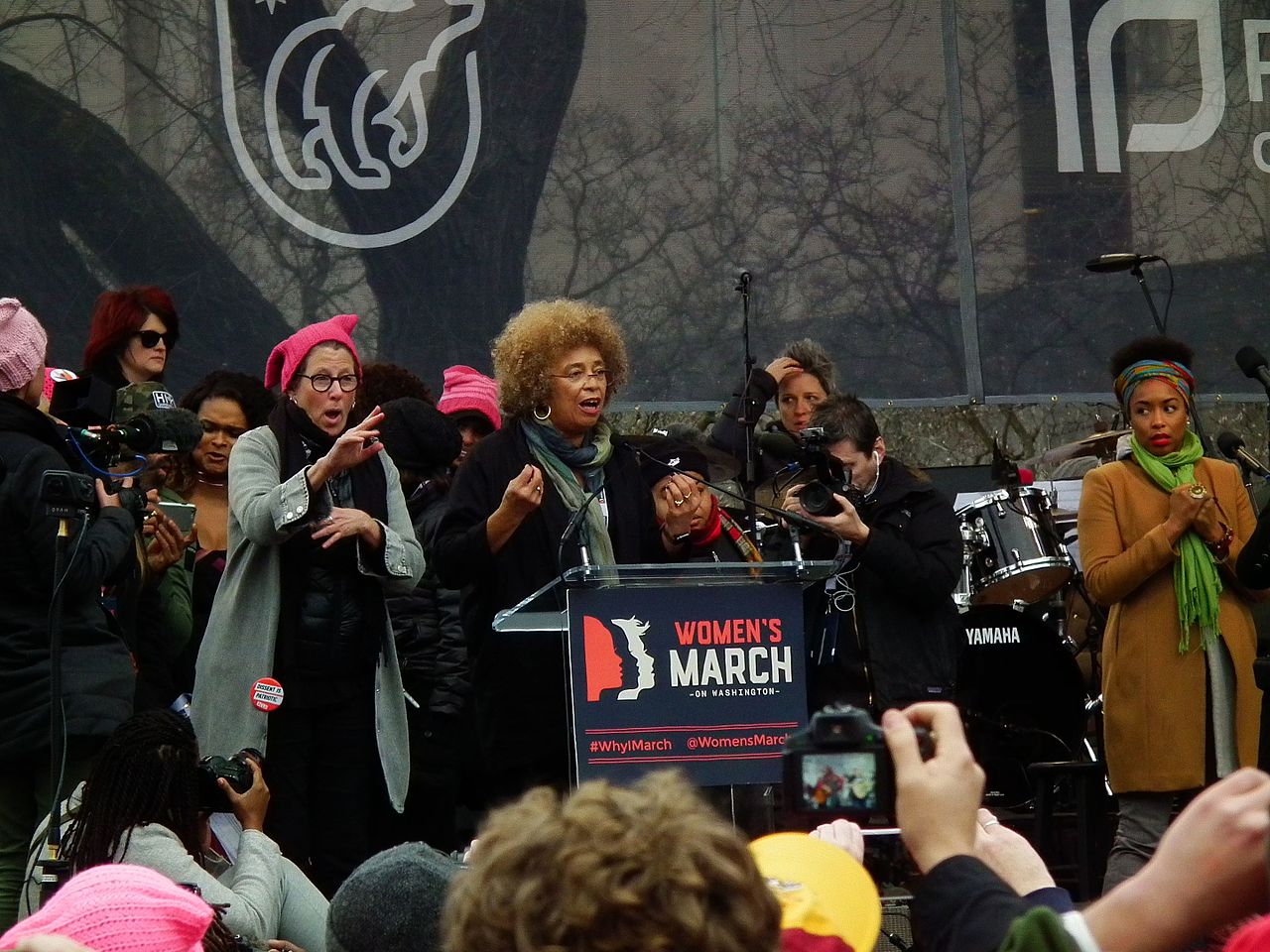


Notable features
- Timing: held immediately following the inauguration of the 45th U.S. president, linking protest to a specific political moment.
- Global reach: simultaneous and affiliated marches took place across many countries and territories.
- Broad agenda: combined issues across gender, racial, and social justice movements into a single public demonstration.
- Public conversation: spurred renewed attention to grassroots organizing and the role of social media in mobilizing mass protests.
For background on the political moment that prompted the march and its relation to the U.S. presidency, see contemporary accounts of the 45th president and inauguration coverage. The 2017 Women's March remains a frequently referenced example of large‑scale civic protest and cross‑border solidarity in the digital age.
Questions and answers
Q: What was the 2017 Women's March?
A: The 2017 Women's March was a global demonstration in response to the inauguration of Donald Trump as the 45th president of the United States of America.
Q: When did the 2017 Women's March take place?
A: The 2017 Women's March took place on 21-22 January 2017.
Q: How many people attended the Women's March on Washington?
A: The Women's March on Washington was said to have seen an attendance of over 470,000 people in Washington alone.
Q: How did the attendance of the Women's March on Washington compare to Donald Trump's inauguration?
A: The attendance of the Women's March on Washington was three times more than President Trump's inauguration.
Q: Was the 2017 Women's March only in the United States?
A: No, the demonstration spanned seven continents, including Antarctica.
Q: What was the reason for the 2017 Women's March?
A: The reason for the 2017 Women's March was in response to the inauguration of Donald Trump as the 45th president of the United States of America.
Q: Was the 2017 Women's March a global demonstration?
A: Yes, the 2017 Women's March was a global demonstration that took place on seven continents including Antarctica.
Author
AlegsaOnline.com 2017 Women's March Leandro Alegsa
URL: https://en.alegsaonline.com/art/133714