
2017 Formula One World Championship
The 68th FIA Formula One World Championship, contested from March to November 2017; notable for major aerodynamic rule changes, a close drivers' fight and Mercedes' continued constructors' success.
Overview
The 2017 Formula One World Championship was the 68th season of the FIA Formula One series, the highest class of single-seater motor racing. The championship ran from late March to late November, beginning with the Australian Grand Prix and concluding with the Abu Dhabi Grand Prix. The season calendar and race venues reflected the global nature of modern F1, and the year is often remembered for the first wave of significant aerodynamic and tyre rule changes that altered car appearance and performance.
Image gallery
10 Images




Technical and sporting changes
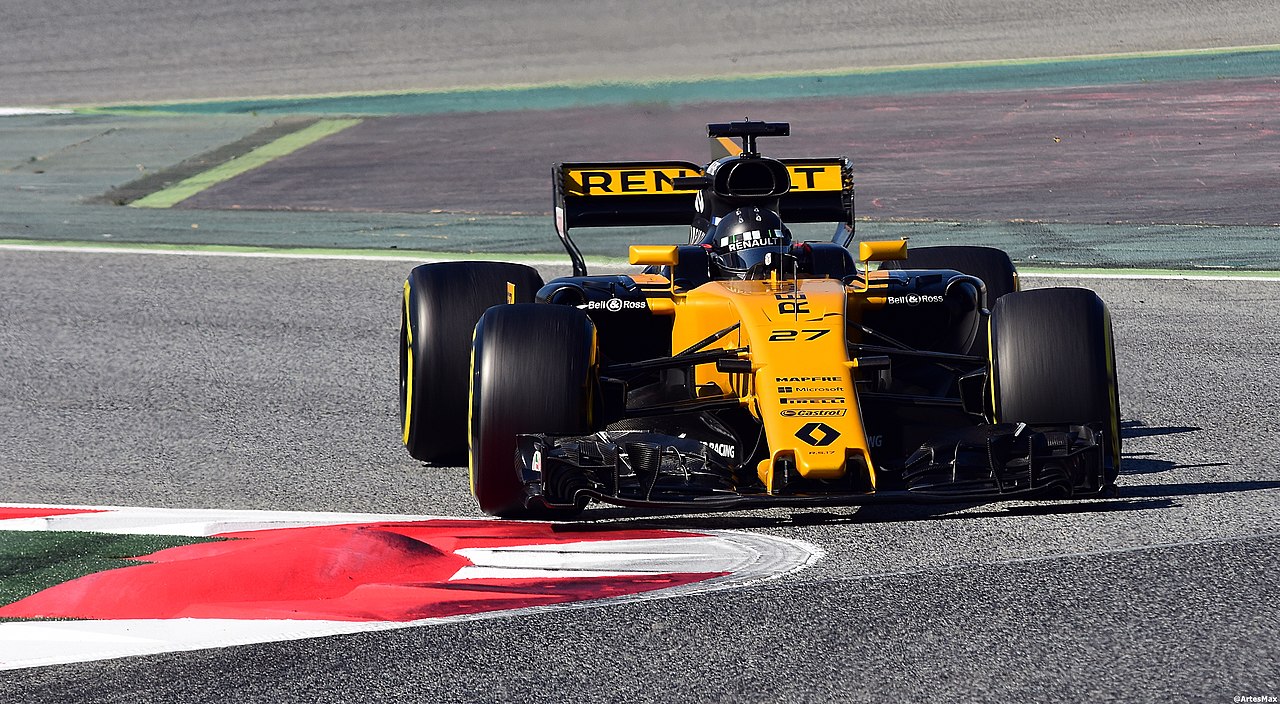
For 2017 the sport introduced new technical regulations intended to make cars faster and more aggressive. Teams redesigned aerodynamics to generate higher downforce, while tyre widths increased to give greater mechanical grip. Power units remained the V6 turbo-hybrid architecture introduced earlier in the decade, but the new bodywork and tyre package produced noticeably higher cornering speeds and different tyre management strategies.
Teams, drivers and contenders
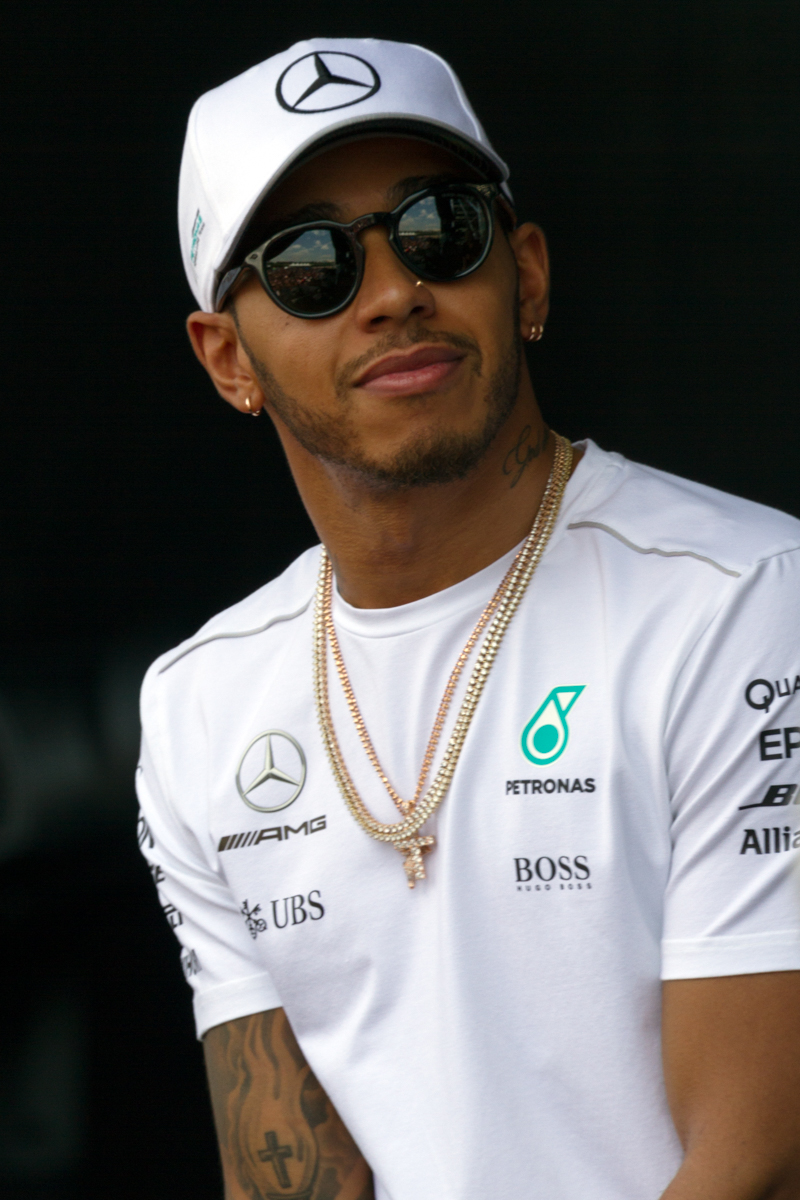
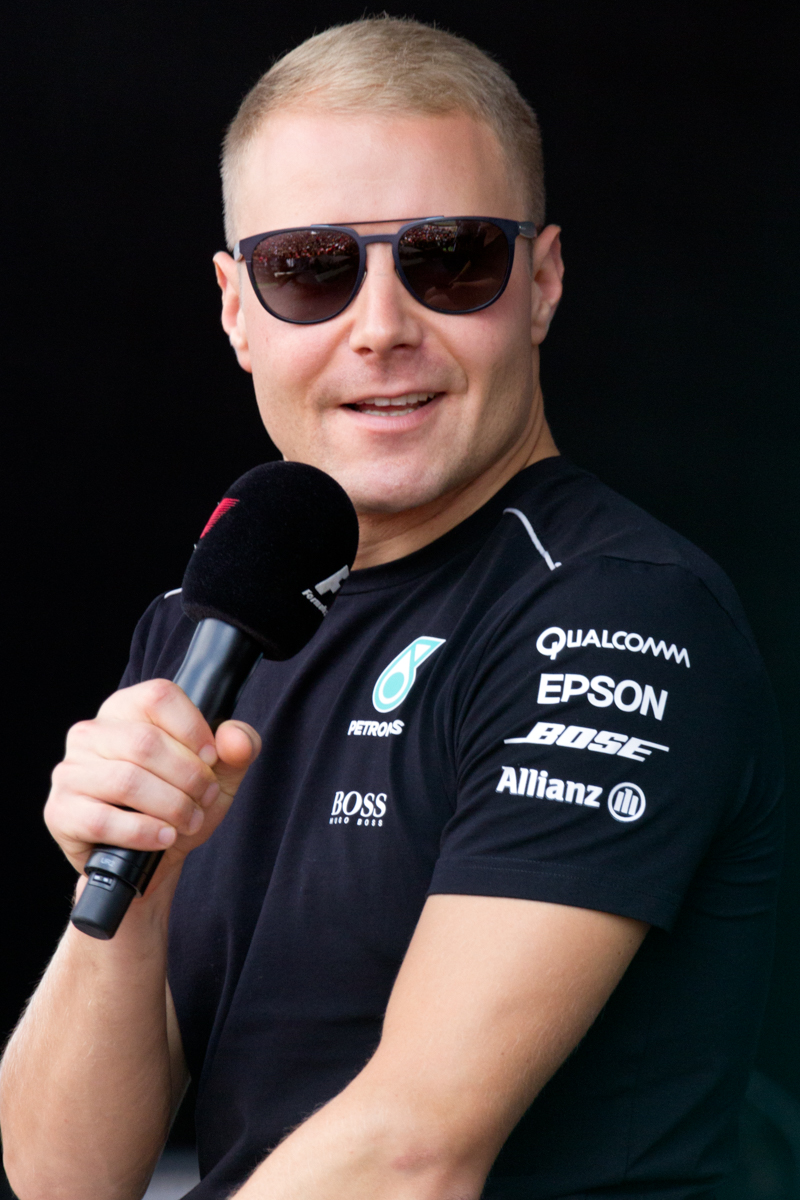
The season featured established factory outfits and independent teams. A number of well-known drivers contested the title fight and the race wins: Lewis Hamilton and Valtteri Bottas for Mercedes, Sebastian Vettel and Kimi Räikkönen for Ferrari, and drivers from Red Bull Racing among others. The campaign included intense intra-season battles and several different winners across the rounds, reflecting a competitive top tier of teams and drivers.
Championship narrative and outcomes
The drivers' championship was fought hard throughout the year. Ultimately Lewis Hamilton secured the drivers' title and Mercedes took the constructors' crown, continuing a period of dominance in the hybrid era. Sebastian Vettel and Ferrari pushed strongly and led at times, keeping the contest alive through much of the season, which produced memorable races and tactical variety.
Significance and legacy
The 2017 season is notable for showing how technical regulation changes can quickly reshape on-track performance and aesthetics. The wider cars and tyres returned more spectacular, high-speed cornering to Grand Prix racing and influenced car design philosophies in subsequent seasons. The outcomes of 2017 also set context for the sport's continuing rule evolution and safety developments in the following years.
Questions and answers
Q: What is the 2017 Formula One World Championship?
A: The 2017 Formula One World Championship is the 68th season of the Formula One World Championship, which is the highest class of competition for open-wheel racing cars.
Q: When did the 2017 season start?
A: The 2017 season started with the Australian Grand Prix on March 26, 2017.
Q: When did the 2017 season end?
A: The 2017 season ended with Abu Dhabi Grand Prix on November 26, 2017.
Q: What type of cars are used in Formula One racing?
A: Open-wheel racing cars are used in Formula One racing.
Q: How many seasons have there been of Formula One World Championships?
A: There have been 68 seasons of Formula One World Championships since its inception.
Q: Who won the championship in 2017?
A: The winner of the championship in 2017 has not yet been determined.
Author
AlegsaOnline.com 2017 Formula One World Championship Leandro Alegsa
URL: https://en.alegsaonline.com/art/133712