
2016 Republican Party presidential primaries
State-by-state primaries and caucuses from Feb–Jun 2016 that chose 2,472 delegates for the Republican National Convention and produced the party’s 2016 nominee.
Overview
The 2016 Republican Party presidential primaries and caucuses were the sequence of state contests, held between February 1 and June 7, 2016, organized under the auspices of the Republican Party. Their purpose was to select the 2,472 delegates who would attend the Republican National Convention and formally nominate a candidate for President of the United States. Delegates were allocated according to rules set by state parties and by the national committee, producing a delegate count that determined the nominee.
Image gallery
10 Images





Process and rules
Primary and caucus formats varied by state. Some states held closed primaries limited to registered party members, while others used open or semi-closed systems or party-run caucuses. Allocation methods included proportional distribution, winner-take-all, and hybrid approaches; many states also used thresholds or binding rules that committed delegates for at least part of the convention process. The party calendar and delegate rules were a frequent topic of discussion because they shape candidate strategies and the overall pace of the contest.
Candidates and campaign dynamics
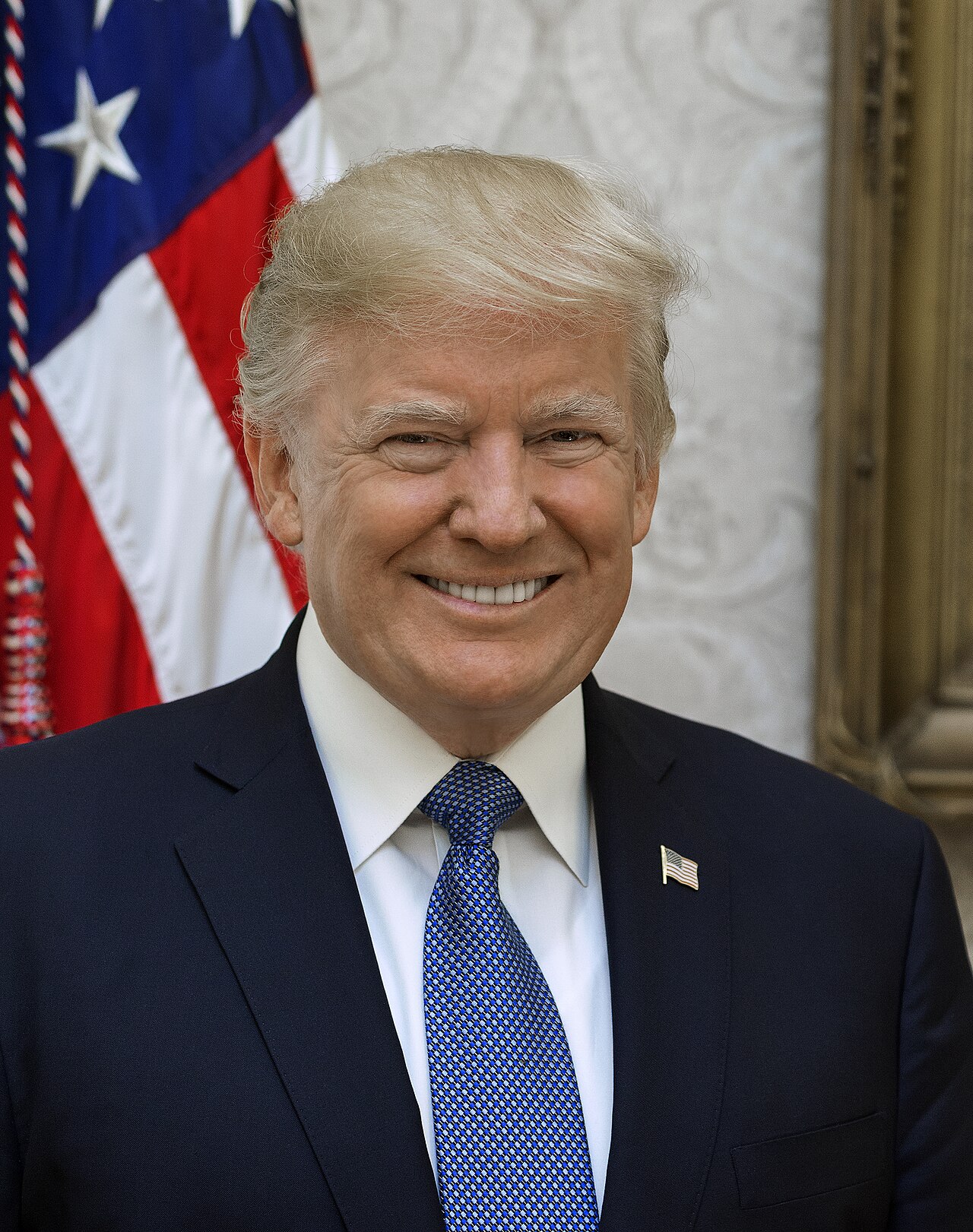
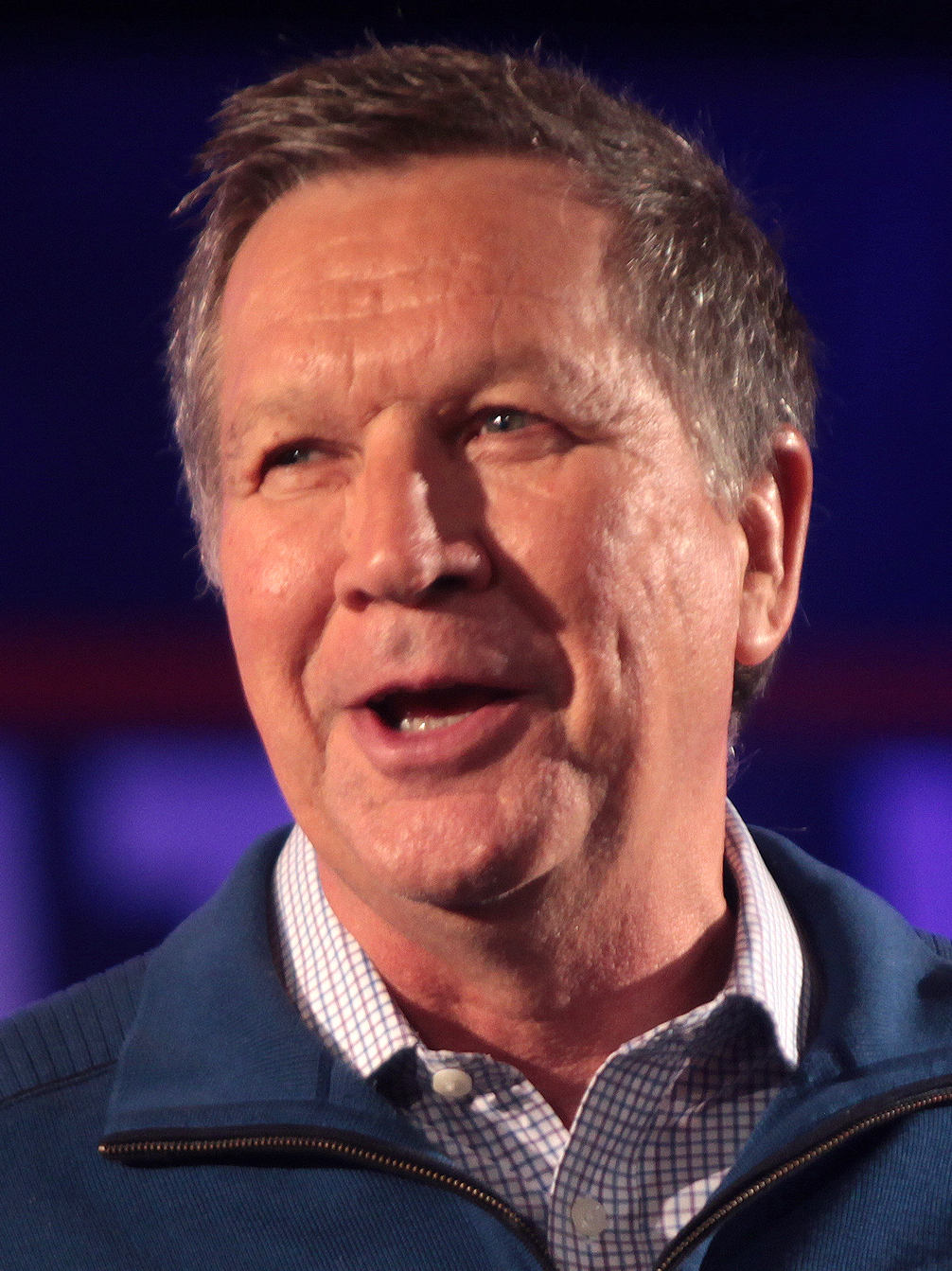
The 2016 field included a mix of long-time officeholders, businesspeople, and political outsiders. Notable Republican candidates included Donald Trump of New York, Ted Cruz of Texas, and John Kasich of Ohio, among others. Campaign themes ranged from immigration and trade to national security and economic policy. Debates, media coverage, primary victories, and delegate math all influenced how support shifted among campaigns as the season progressed.
Timeline and outcome
Contests began with early events such as the Iowa caucuses and New Hampshire primary, proceeded through a series of state votes often concentrated on particular dates, and concluded in early June. On May 4, 2016, after his remaining major opponents suspended their campaigns, Donald Trump became the presumptive Republican nominee. The delegate totals determined during the primaries were formalized at the national convention later that year.
Notable aspects and legacy
- The 2016 Republican race highlighted the influence of primary calendar design and varying state rules on candidate viability.
- It demonstrated how an outsider candidacy could prevail against more established politicians, reshaping intra-party coalitions and campaign techniques.
- Debates over delegate allocation, media coverage, and the role of party institutions were prominent elements that continue to inform discussions about future nominating contests.
For background on party rules and the convention process, see materials published by the national committee and state party organizations, which explain how delegates are chosen and how delegates’ commitments are managed during and after the primary season.
Questions and answers
Q: When were the 2016 Republican Party presidential primaries and caucuses held?
A: The 2016 Republican Party presidential primaries and caucuses were held between February 1 and June 7, 2016.
Q: How many delegates to the Republican National Convention were selected in this series of elections?
A: This series of elections selected 2,472 delegates to the Republican National Convention.
Q: Who became the presumptive nominee on May 4th, 2016?
A: Donald Trump of New York became the presumptive nominee on May 4th, 2016.
Q: Who dropped out after Donald Trump became the presumptive nominee?
A: Ted Cruz of Texas and John Kasich of Ohio dropped out after Donald Trump became the presumptive nominee.
Q: What was determined by these elections?
A: These elections determined who would be selected as delegates to the Republican National Convention which would select the Republican Party's nominee for President of the United States.
Q: When did Ted Cruz and John Kasich drop out?
A: Ted Cruz of Texas and John Kasich of Ohio dropped out after Donald Trump became the presumptive nominee on May 4th, 2016.
Q: What is a caucus?
A: A caucus is a meeting where members from a political party come together to discuss their shared political beliefs or goals, nominate candidates for office, or make decisions about policy issues within their party.
Author
AlegsaOnline.com 2016 Republican Party presidential primaries Leandro Alegsa
URL: https://en.alegsaonline.com/art/133707