
2016 Australian federal election
A double-dissolution federal election held on 2 July 2016 to elect all members of the 45th Parliament; notable for major Senate voting reform and a tightly contested result that returned the incumbent Coalition government.
Overview
The 2016 Australian federal election was held on Saturday 2 July to choose members of the 45th Parliament of Australia. All 226 seats in the House of Representatives and the Senate were contested in a double dissolution contest called under constitutional provisions. The vote followed an eight-week campaign and resulted in a narrowly decided outcome that returned the incumbent Liberal–National Coalition to government under Malcolm Turnbull, after a close contest with the Australian Labor Party.
Image gallery
10 Images





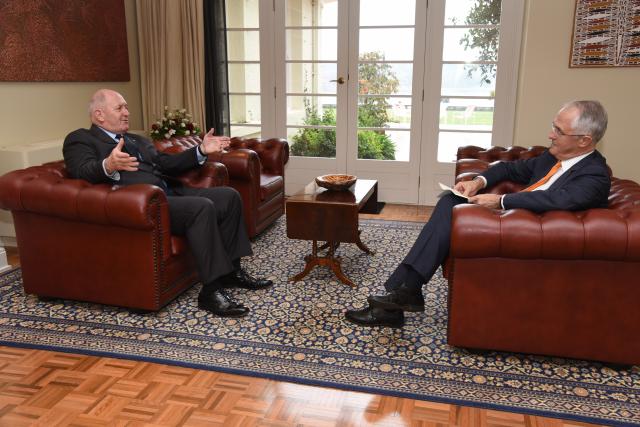
Electoral system and reform
The election was notable for changes to the Senate voting system that took effect for the first time in 2016. The previous group voting ticket system, which allowed parties to dictate full preference flows on behalf of voters, was replaced by an optional preferential model that gives electors more direct control over their preferences. Above-the-line voting became optional-preferential, and below-the-line voting was simplified to encourage voters to express their own order of choices. These reforms reduced the influence of backroom preference deals and produced a larger and more diverse Senate crossbench.
Campaign and context
Campaign themes echoed familiar national concerns: the economy, jobs, health and budgetary policy, as well as immigration and national security. The election was triggered after legislative deadlocks between the two houses made certain government priorities difficult to advance, prompting the double dissolution mechanism. Major party leaders, policy platforms and televised debates framed much of the media coverage. For background on the Parliament and its composition see Parliament information.
Results and immediate consequences
The House of Representatives outcome was close. The incumbent Coalition retained enough seats to form government, while the Senate returned a crossbench strengthened by minor parties and independents. The new Senate configuration meant that the government had to negotiate with a broader range of senators to pass legislation. For summary coverage of the voting changes see Senate voting reform. For information about the party leadership at the time see Malcolm Turnbull.
Significance and notable facts
- The 2016 contest was the first federal election conducted under the revised Senate voting rules; its effects influenced how minor parties campaigned and how preference flows were organized.
- Australia’s compulsory voting and preferential systems continue to shape outcomes differently from plurality systems used elsewhere.
- Because the Senate elected all seats simultaneously, the composition of the upper house was reset, giving voters the chance to alter balance-of-power dynamics more abruptly than in ordinary half-Senate elections.
Overall, the 2016 election is remembered both for its electoral law changes and for returning a government in a closely fought contest that required ongoing negotiation across a more fragmented Senate.
Questions and answers
Q: When was the 2016 Australian federal election held?
A: It was held on Saturday 2 July.
Q: How many members were to be elected in the 2016 Australian federal election?
A: All 226 members of the 45th Parliament of Australia were to be elected.
Q: How long did the 2016 Australian federal election last?
A: It lasted eight weeks.
Q: What was the new change in the Senate voting system for the 2016 Australian federal election?
A: The new change replaced group voting tickets with optional preferential voting.
Q: Who was the incumbent at the 2016 Australian federal election?
A: It was Malcolm Turnbull.
Q: Was Malcolm Turnbull re-elected at the 2016 Australian federal election?
A: Yes, he was narrowly re-elected.
Q: How did Malcolm Turnbull form the government after his re-election at the 2016 Australian federal election?
A: He formed a coalition government with other smaller parties.
Author
AlegsaOnline.com 2016 Australian federal election Leandro Alegsa
URL: https://en.alegsaonline.com/art/133704