
2014 Formula One World Championship
The 65th FIA Formula One World Championship, held in 2014, introduced new turbo-hybrid power units, ran 19 Grands Prix from Australia to Abu Dhabi, and saw Mercedes and Lewis Hamilton dominate the season.
Overview
The 2014 Formula One World Championship was the 65th running of the FIA-sanctioned series for open-wheel single-seaters. The season comprised nineteen Grands Prix and featured eleven constructor teams and twenty-two race drivers. The calendar began with the Australian round on 16 March and concluded in Abu Dhabi on 23 November. The campaign is widely remembered for a major shift in engine technology and a period of pronounced competitive dominance by one manufacturer.
Image gallery
10 Images





Regulation and technical changes
A key development in 2014 was the introduction of new power units: 1.6-litre turbocharged V6 engines coupled with enhanced energy-recovery systems (ERS). These replaced the naturally aspirated V8 engines used previously and combined combustion power with recovered electric energy for improved efficiency. The change reshaped team strategies, car packaging and reliability priorities, and placed a premium on integration between the internal combustion engine and hybrid systems.
Teams and drivers
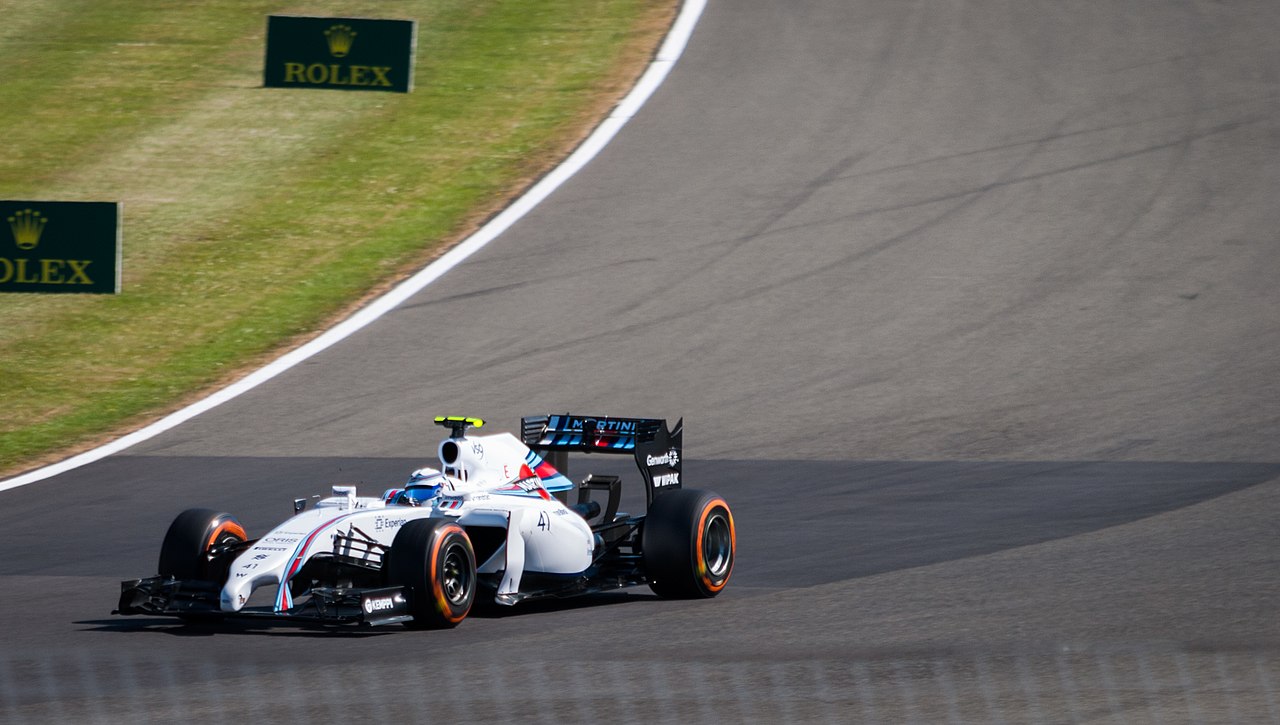
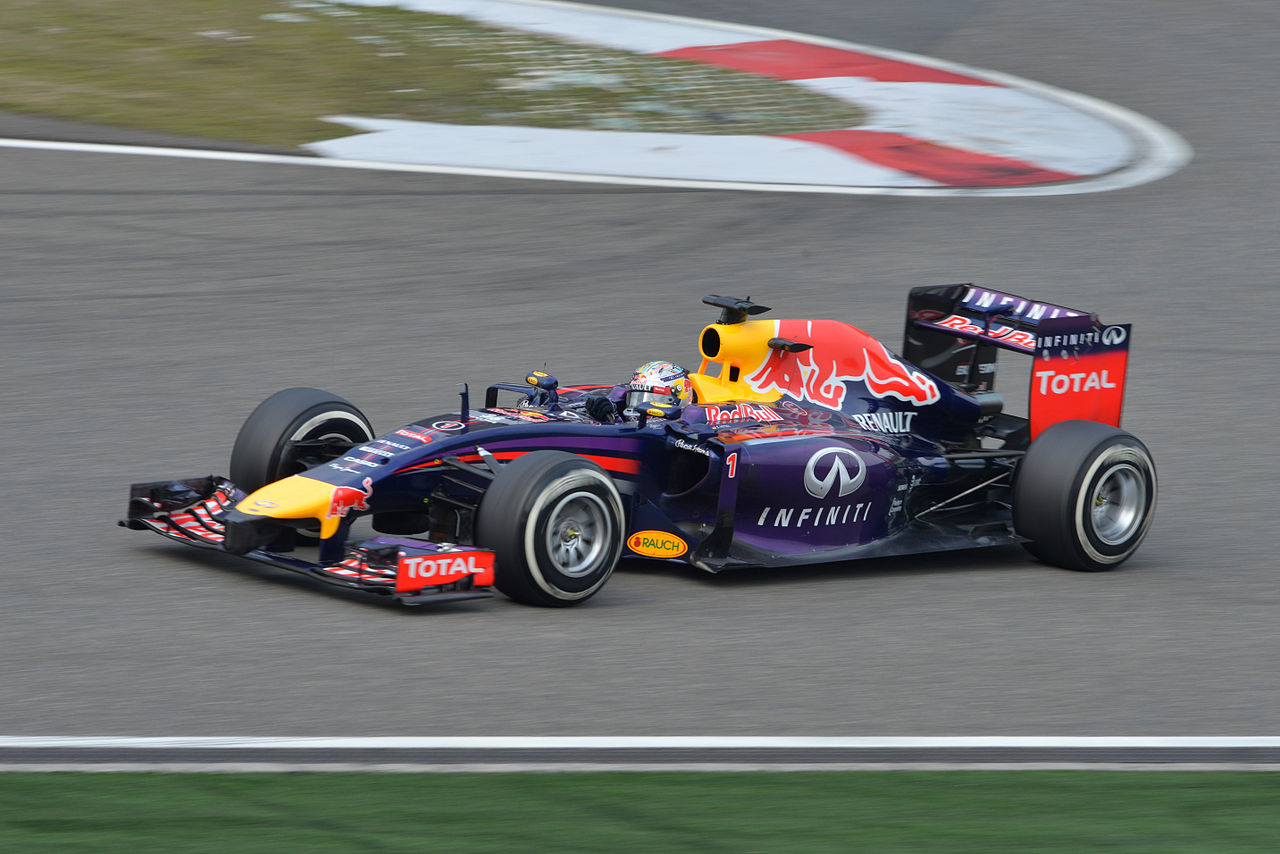
Eleven teams entered the championship, ranging from established works outfits to smaller independent squads. Prominent teams included Mercedes, Red Bull Racing, Scuderia Ferrari and McLaren. A non-exhaustive list of entrants includes:
- Mercedes
- Red Bull Racing
- Scuderia Ferrari
- McLaren
- Williams
- Force India
- Toro Rosso
- Sauber
- Lotus
- Caterham
- Marussia
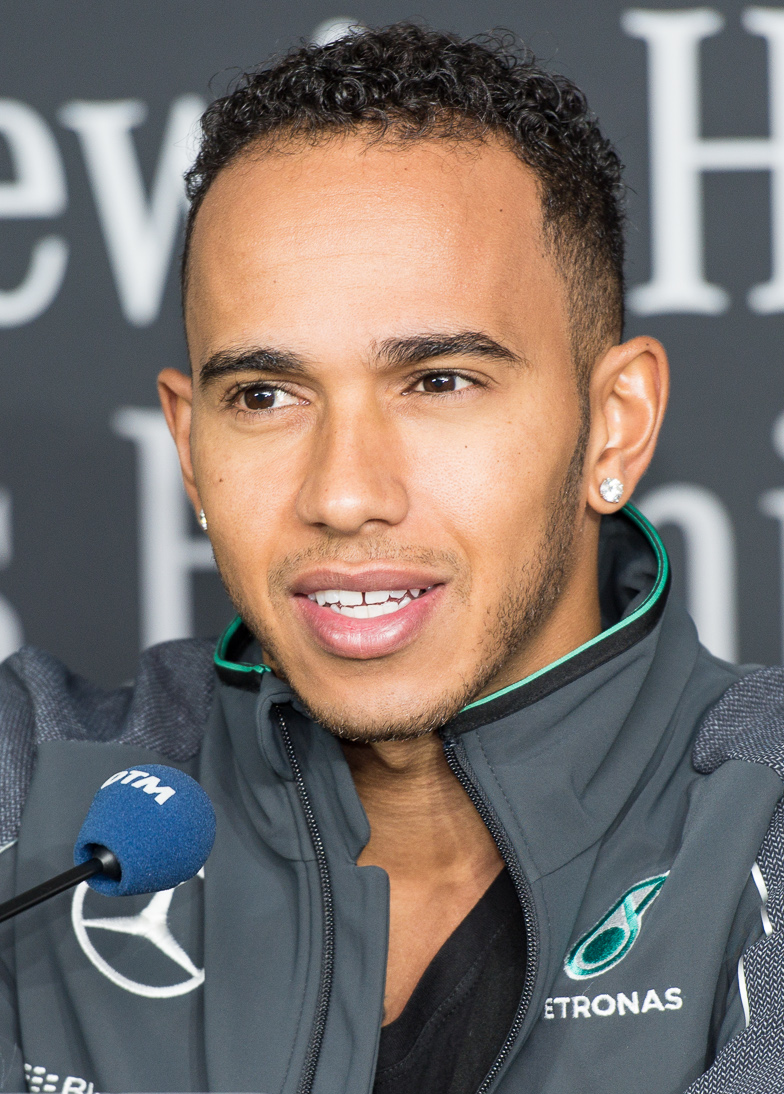
Notable drivers on the roster included Lewis Hamilton, Nico Rosberg, Sebastian Vettel, Fernando Alonso, Daniel Ricciardo, Jenson Button and Kimi Räikkönen, among others.
Season summary and outcome
Across the year Mercedes established a strong advantage through its power unit and chassis package. Lewis Hamilton secured the FIA World Drivers' Championship, while Mercedes captured the Constructors' title. The season also provided breakthrough performances from several drivers and saw familiar strategies—tyre management, pit-stop timing and energy deployment—play decisive roles at many events.
Legacy and notable facts
The 2014 season marked the start of a new hybrid era in Formula One, influencing car design and team organization for years to follow. It highlighted how regulatory shifts can rapidly reorder the competitive landscape and underscored the growing importance of electrical energy systems in top-level motorsport. The campaign bookended by the Australian Grand Prix and the Abu Dhabi Grand Prix remains a pivotal season for technical and sporting developments in modern Formula One.
Questions and answers
Q: What year is the 2014 Formula One season?
A: The 2014 Formula One season is the 65th season of the Formula One World Championship.
Q: What type of racing cars are used in this championship?
A: The motor racing championship is the highest class of competition for open-wheel racing cars.
Q: When did the 2014 season start?
A: The 2014 season started with the Aussie Grand Prix on 16 March 2014.
Q: When does the last race of the season take place?
A: The last race of the season is the Abu Dhabi Grand Prix on 23 November 2014.
Q: How many teams and drivers are competing in this championship?
A: Eleven teams and twenty-two drivers are competing in nineteen Grands Prix.
Q: What type of motorsport event is this championship?
A: This championship is a motor racing event for open-wheel cars.
Q: How long does this championship run for each year?
A: This championship runs from March to November each year.
Author
AlegsaOnline.com 2014 Formula One World Championship Leandro Alegsa
URL: https://en.alegsaonline.com/art/133682