
2011 Sindh floods in Pakistan
Major monsoon floods that struck Sindh province, Pakistan in August–September 2011, inundating large areas, displacing millions, damaging homes and cropland, and prompting national and international relief efforts.
The 2011 Sindh floods were a major inundation event that affected the southeastern province of Sindh, Pakistan, during August and September 2011. Exceptionally heavy monsoon rains produced widespread flooding across Sindh and also impacted parts of eastern Balochistan and southern Punjab. Floodwaters inundated towns and rural areas, disrupted transport and services, and required large-scale relief operations.
Image gallery
1 Image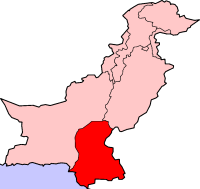
Causes and hydrology
The floods followed unusually intense seasonal monsoon rainfall concentrated over a short period. Local drainage and river channels were overwhelmed, and earthen embankments and irrigation works were overtopped in many areas. The low-lying, flat terrain of Sindh and the region's dependence on the Indus river system and linked canals meant that large areas experienced prolonged standing water rather than only brief flash floods. These conditions impeded drainage and increased the scale of damage to agriculture and settlements.
Human, agricultural and economic impacts
Official and agency reports at the time estimated around 270 people killed and approximately 5.3 million people affected by the floods. An estimated 1.2 million homes were inundated and large tracts of cropland were damaged; contemporary figures cited roughly 1.7 million acres of agricultural land ruined. The losses affected rural livelihoods through destroyed standing crops, loss of livestock and seed stocks, and damage to irrigation infrastructure. Urban areas experienced damage to roads, utilities and public buildings, compounding recovery needs.
Relief, response and recovery
The Government of Pakistan mobilized civil and military resources for evacuation, emergency shelter, medical care and distribution of food and clean water. National and local non-governmental organizations and international humanitarian agencies contributed to relief, health and sanitation efforts. Recovery priorities included repairing embankments, restoring irrigation channels, rebuilding homes and supporting farmers to replant and revive livelihoods. Reconstruction required coordinated assessment, funding and local technical assistance over subsequent months.
Context and lessons
Contemporary observers described the 2011 event as the most severe flooding in Pakistan since the much larger 2010 floods. The Sindh floods highlighted persistent vulnerabilities in flood management: settlement in flood-prone areas, limitations of drainage and embankment systems, and the social and economic fragility of many rural communities. The event underscored the importance of improved forecasting, preparedness, maintenance of flood infrastructure and measures to support agricultural resilience.
Further reading and sources
- Overview of the affected province: Sindh
- Regional weather and hydrology: Southern Punjab and Balochistan rainfall
- National context and government response: Pakistan disaster response
- Agricultural impact and land affected: estimated cropland losses
- Comparison with previous events: 2010 Pakistan floods
For detailed contemporaneous assessments consult reports produced at the time by national disaster management authorities and humanitarian organizations; these documents provide operational details, needs assessments and documented relief activities undertaken in the weeks and months after the floods.
Questions and answers
Q: When did the 2011 Sindh floods occur and what caused them?
A: The 2011 Sindh floods occurred in August and September 2011 because of a lot of rain in Sindh, Eastern Balochistan, and Southern Punjab, Pakistan.
Q: How much damage did the floods cause?
A: The floods caused a lot of damage. 270 people were killed, and 5.3 million people were affected. 1.2 million homes were flooded. At least 1.7 million acres of land were ruined by the flooding.
Q: Were there any previous floods in Pakistan before the 2011 Sindh floods?
A: Yes, it was the worst flooding in Pakistan since the 2010 floods.
Q: How many people were affected by the 2011 Sindh floods?
A: 5.3 million people were affected.
Q: How many homes were flooded during the 2011 Sindh floods?
A: 1.2 million homes were flooded.
Q: How much land was ruined by the 2011 Sindh floods?
A: At least 1.7 million acres of land were ruined by the flooding.
Q: Was the 2011 Sindh floods the worst flooding in Pakistan?
A: No, it was the worst flooding in Pakistan since the 2010 floods.
Author
AlegsaOnline.com 2011 Sindh floods in Pakistan Leandro Alegsa
URL: https://en.alegsaonline.com/art/133657