
1994 Cobo Arena attack on Nancy Kerrigan
An overview of the January 6, 1994 attack on figure skater Nancy Kerrigan at Detroit's Cobo Arena, the investigation, legal outcomes, and its effects on skating and media attention.
On January 6, 1994, American figure skater Nancy Kerrigan was struck with a baton while practicing on the ice at Detroit's Cobo Arena. The incident occurred in the afternoon and left Kerrigan shaken and injured, preventing her from completing the U.S. Figure Skating Championships that week. The assault quickly became a national news story because of the victim's profile and the involvement of people connected to another leading skater, Tonya Harding.
Image gallery
5 Images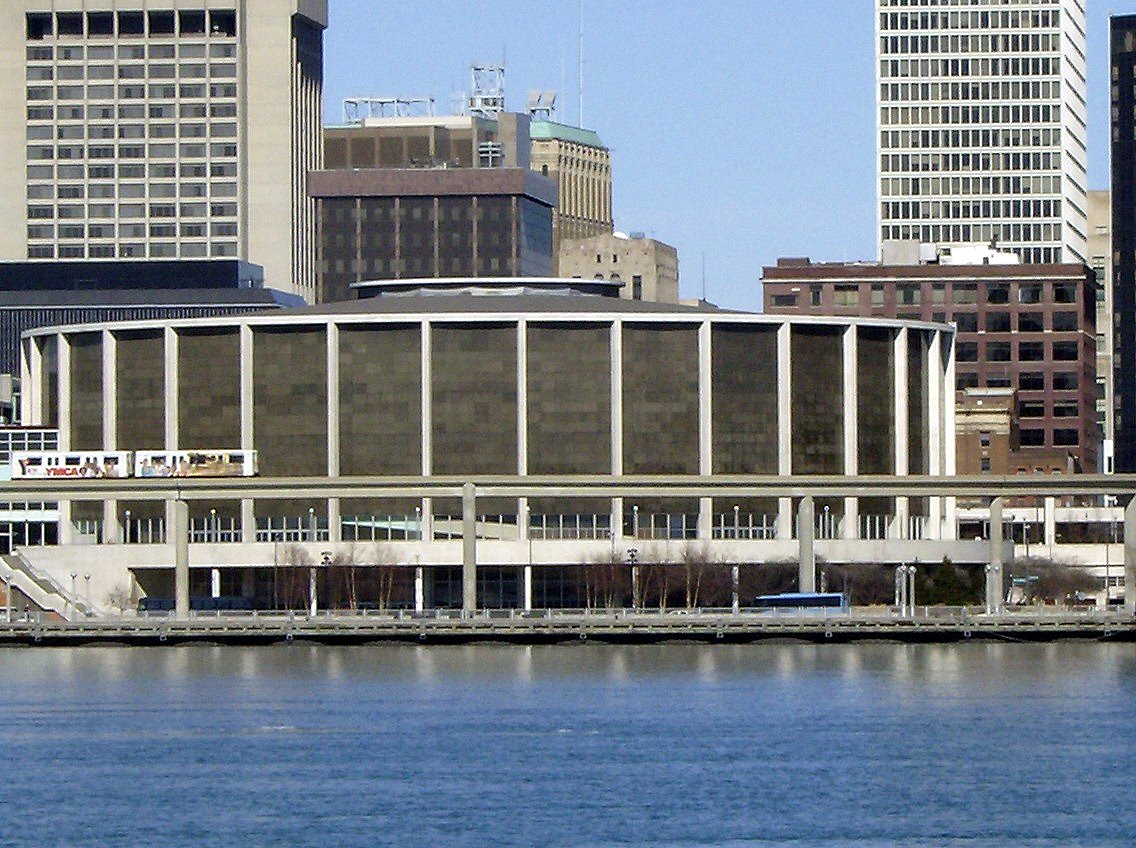

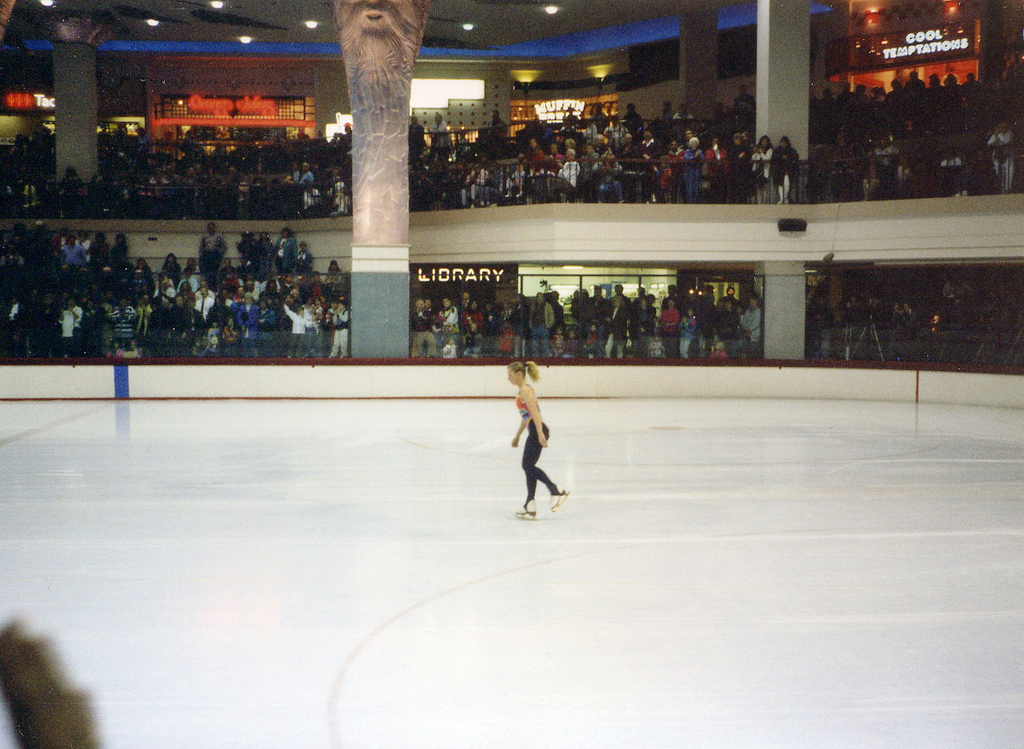
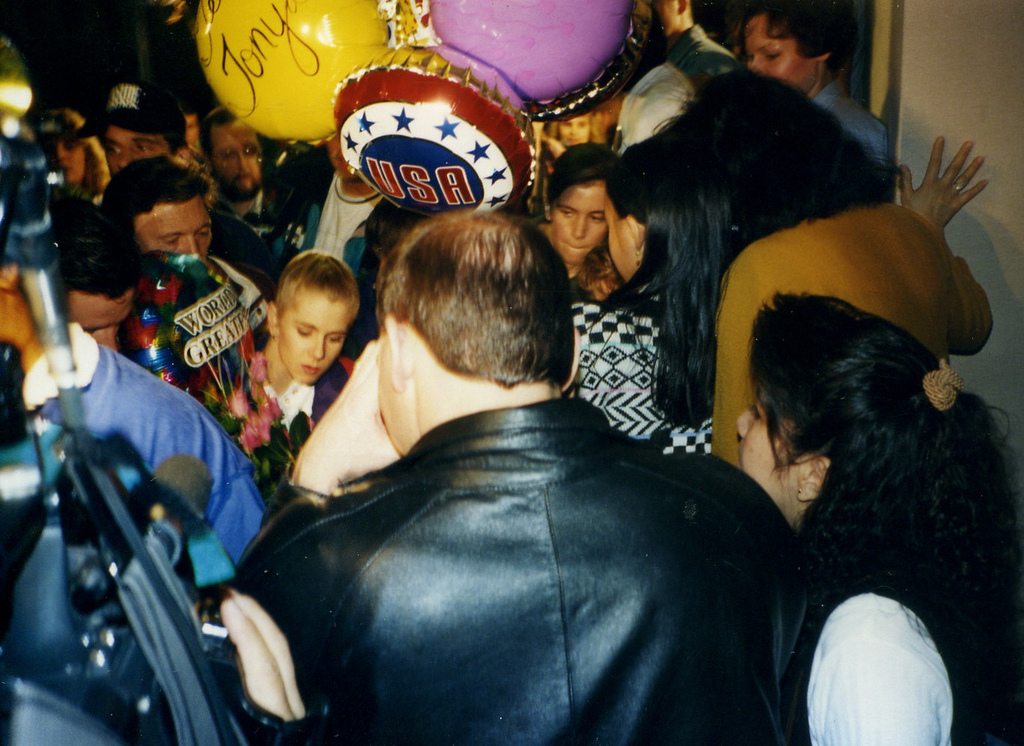

Attack and immediate aftermath
The attacker, later identified as Shane Stant, struck Kerrigan on the lower right thigh after she finished a practice session. The assault was carried out in the arena's public area, and the assailant fled with the help of a getaway driver, Derrick Smith. Kerrigan received prompt medical attention and withdrew from the remainder of the national championships to recover. The visible images and television coverage of the wounded skater, combined with intense press interest, made the episode one of the most widely reported sports controversies of the 1990s.
Investigation and legal outcomes
Police investigations soon linked the attack to a small group of individuals who had conspired to injure Kerrigan so she would be unable to compete. Authorities said the assailants had been paid by associates of another skater. Two men directly involved in the attack were arrested and charged, and investigators pursued leads that implicated additional figures. Public allegations and later court proceedings focused on questions of who planned the assault and who knew about it beforehand. Legal consequences included guilty pleas and criminal sentences for some participants; disciplinary actions by the U.S. figure skating governing body affected others connected to the controversy.
Nancy Kerrigan made a notable recovery in time for the 1994 Winter Olympics, where she won the silver medal. Her rival, Tonya Harding, was permitted to compete at the Olympics but faced a separate and public disciplinary process that resulted in a lifetime ban from competitive figure skating sanctioned by the national governing organization and the stripping of a championship title.
Impact and legacy
Beyond the courtroom and sporting penalties, the incident had a lasting effect on the public perception of figure skating and on event security. Media attention was intense and sustained, turning the episode into a cultural touchstone that spawned commentary about celebrity, rivalries in sport, and the conduct of athletes and their associates off the ice. The episode prompted organizers to reconsider access to practice areas and athlete safety at major competitions.
- Key figures:
- Victim: Nancy Kerrigan — elite U.S. figure skater who recovered to win Olympic silver
- Attacker: Shane Stant — carried out the physical assault
- Getaway driver: Derrick Smith — assisted in the escape
- People who commissioned the attack: associates of a rival skater — subsequently prosecuted
- Rival skater: Tonya Harding — central figure in investigations and later sanctioned by the sport's governing body
The 1994 Cobo Arena attack remains a frequently cited example of how off-ice conduct and criminal acts can overshadow athletic competition. It also illustrates how media coverage can amplify a single incident into a national conversation about sport, justice, and responsibility.
Further reading
- Cobo Arena background and venue details
- Profile: Nancy Kerrigan
- Timeline of the January 6, 1994 incident
- Description of the weapon and attack method
- Detroit local coverage and response
- Michigan law enforcement reports
- 1994 Winter Olympics overview
- Legal proceedings and plea agreements
- Tonya Harding: career and aftermath
- Nancy Kerrigan at the Lillehammer Olympics
Questions and answers
Q: Who was hit with a baton in 1994 in Detroit?
A: American figure skater Nancy Kerrigan.
Q: Who was responsible for the attack on Nancy Kerrigan?
A: Shane Stant, with the help of his uncle Derrick Smith, were paid by Jeff Gillooly and Shawn Eckardt to carry out the attack.
Q: Why was Nancy Kerrigan targeted for the attack?
A: Jeff Gillooly and Shawn Eckardt hoped to injure Kerrigan so that she could not take part in the 1994 U.S. Figure Skating Championships and 1994 Winter Olympics.
Q: What was the relationship between Jeff Gillooly and Nancy Kerrigan's rival Tonya Harding?
A: Jeff Gillooly was the ex-husband of Nancy Kerrigan's rival in figure skating at the time, Tonya Harding.
Q: Did Tonya Harding know about the attack on Nancy Kerrigan?
A: Jeff Gillooly and Shawn Eckdardt both said that Tonya Harding knew about the attack, but Harding said that she didn't know about it.
Q: Did Nancy Kerrigan take part in the Winter Olympics after the attack?
A: Yes, she healed in time to take part in the Winter Olympics and won a silver medal.
Q: What was the punishment for Tonya Harding?
A: Tonya Harding was banned for life from USFSA figure skating events and had her U.S. Championships title taken away.
Author
AlegsaOnline.com 1994 Cobo Arena attack on Nancy Kerrigan Leandro Alegsa
URL: https://en.alegsaonline.com/art/133583