
1982 Atlantic hurricane season
Summary of the 1982 Atlantic hurricane season: timeline, storm activity, notable impacts (Tropical Storm Beryl), meteorological influences, and legacy.
Overview
The 1982 Atlantic hurricane season took place during the annual period when tropical cyclones form in the North Atlantic basin. The season ran from June 1 to November 30, with storms tracked across the Atlantic Ocean. Forecasters identified six named storms in 1982, of which two strengthened into hurricanes. While most systems were short-lived or stayed over open water, one storm—Tropical Storm Beryl—produced the season's heaviest loss of life.
Image gallery
10 Images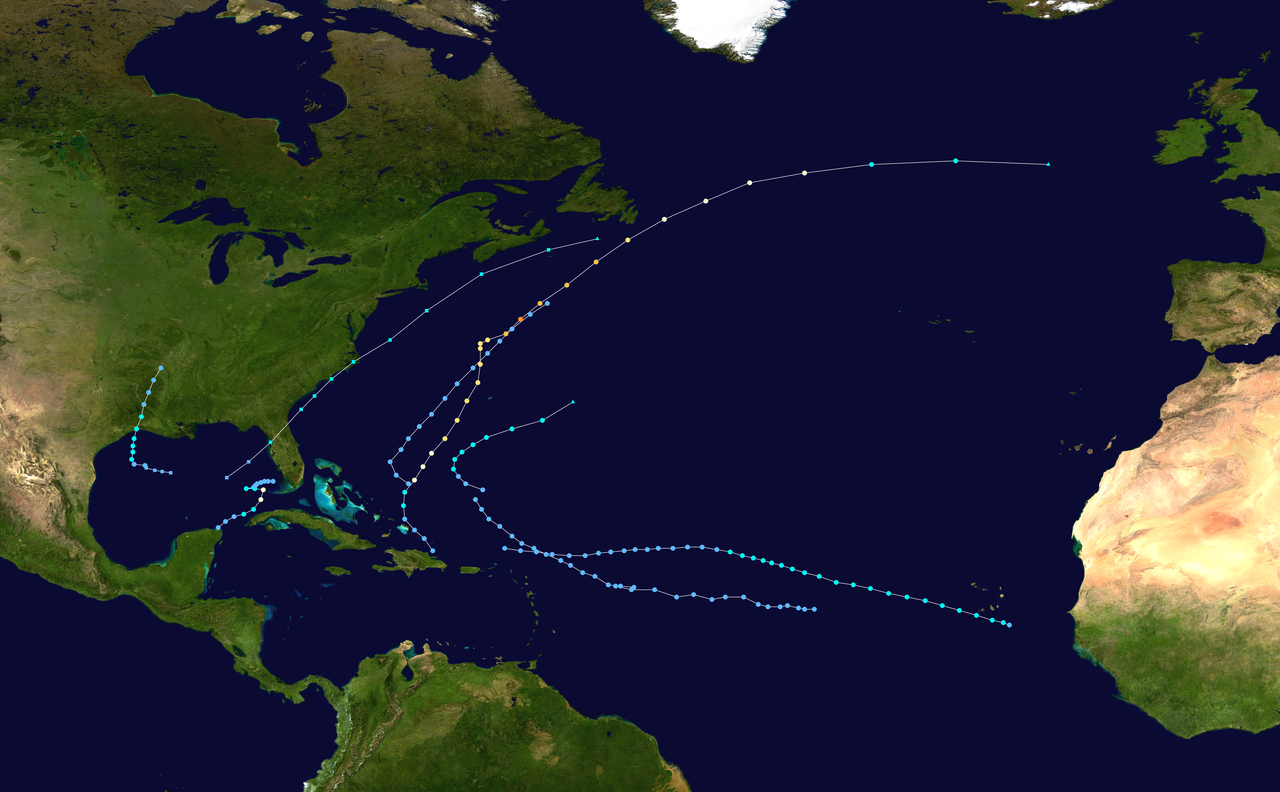



Storm activity and characteristics
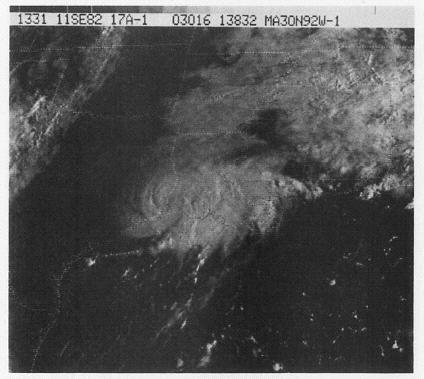
Compared with long-term norms, 1982 was a relatively quiet season in terms of named storms and hurricane counts. The majority of systems were of modest intensity, driven by disturbances such as easterly tropical waves and occasional low-pressure troughs. Two systems reached hurricane intensity, but sustained major hurricane conditions did not occur that year. Tropical cyclones in this period were monitored using reconnaissance aircraft, surface observations, and satellite imagery as they formed and moved across the ocean.
Notable storms and impacts
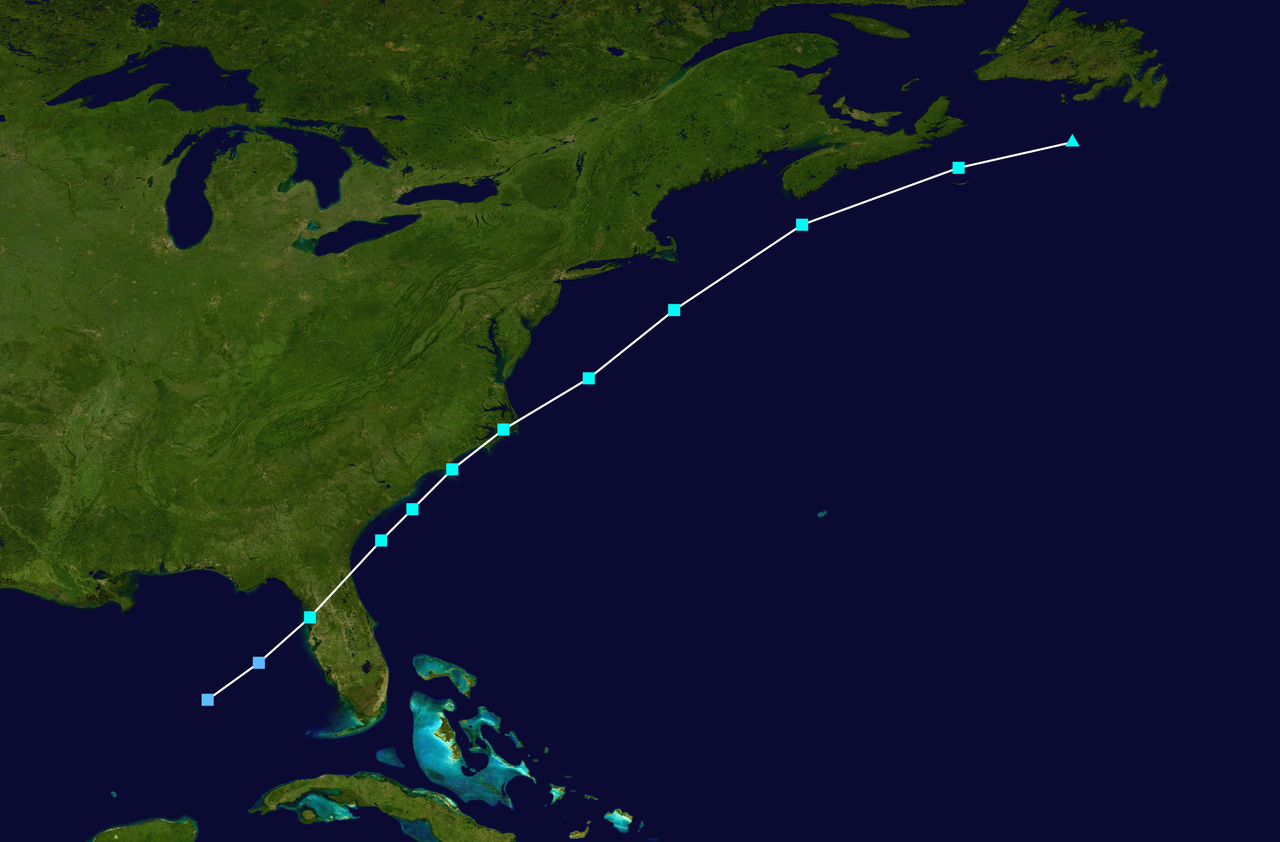
Tropical Storm Beryl was the deadliest system of the season; it moved across parts of the Caribbean and was responsible for a significant number of fatalities. Contemporary reports attributed 115 deaths to Beryl as it affected islands and coastal areas in the Caribbean Sea. Other storms in 1982 largely caused limited damage, with several remaining at sea or producing only localized effects on land.
Meteorological context
The subdued activity in 1982 coincided with large-scale climate factors that can suppress Atlantic hurricane formation. A strong El Niño event developed in 1982–83, and such conditions are commonly associated with increased upper-level wind shear over the Atlantic, which tends to inhibit the development and intensification of tropical cyclones. Sea surface temperatures, atmospheric moisture, and wind patterns all played roles in shaping the season's limited activity.
Historical perspective and legacy
Although not remembered for an exceptional number of storms, the 1982 season is notable for the human toll of Tropical Storm Beryl and for occurring during a pronounced El Niño episode. The season reinforced the importance of preparedness in vulnerable Caribbean communities and contributed to ongoing improvements in forecasting and communication during the early 1980s. Post-season analyses and reports summarized the season's statistics and impacts for the scientific record.
Quick facts
- Total named storms: six (including Beryl).
- Hurricanes: two reached sustained hurricane strength.
- Deadliest storm: Tropical Storm Beryl, which caused 115 fatalities while crossing the Caribbean Sea.
- Season official dates: June 1 to November 30, 1982.
- Regional basin: Atlantic tropical cyclone activity centered in the Atlantic Ocean.
Questions and answers
Q: When did the 1982 Atlantic hurricane season start?
A: The 1982 Atlantic hurricane season officially started on June 1, 1982.
Q: When did the 1982 Atlantic hurricane season end?
A: The 1982 Atlantic hurricane season ended on November 30, 1982.
Q: How many named storms formed during the season?
A: Six named storms formed during the season.
Q: How many hurricanes formed during the season?
A: Two hurricanes formed during the season.
Q: What was the most deadliest storm of the season?
A: The most deadliest storm of the season was Tropical Storm Beryl.
Q: How many people were killed by Tropical Storm Beryl? A: Tropical Storm Beryl killed 115 people while moving across the Caribbean Sea.
Author
AlegsaOnline.com 1982 Atlantic hurricane season Leandro Alegsa
URL: https://en.alegsaonline.com/art/133554