
1974 Atlantic hurricane season
Summary of the 1974 Atlantic hurricane season, including its timeline, overall activity, notable storms (especially Hurricane Fifi), the unusually high number of subtropical cyclones, and its human impacts.
Overview
The 1974 Atlantic hurricane season officially ran from June 1 to November 30. It is generally regarded as an about-average year in terms of storm formation: the basin produced eleven tropical or subtropical systems, seven of which were given names. A distinguishing feature of the season was the relatively large number of subtropical storms — four in total — which was a record at the time and reflected the varied atmospheric conditions that year. For broader historical context see materials on 1974 weather and climatology.
Image gallery
10 Images

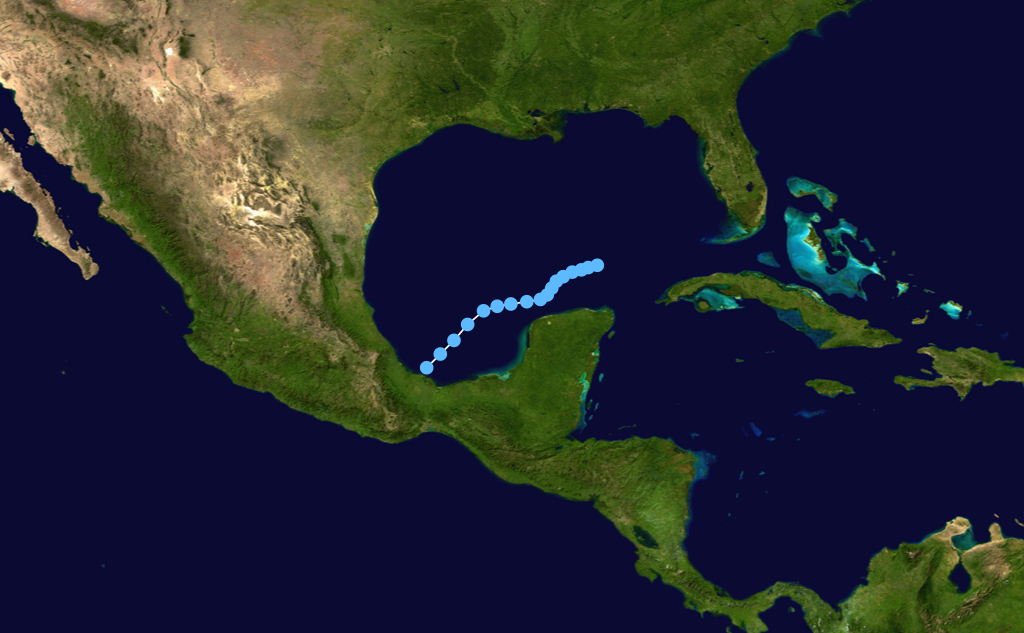

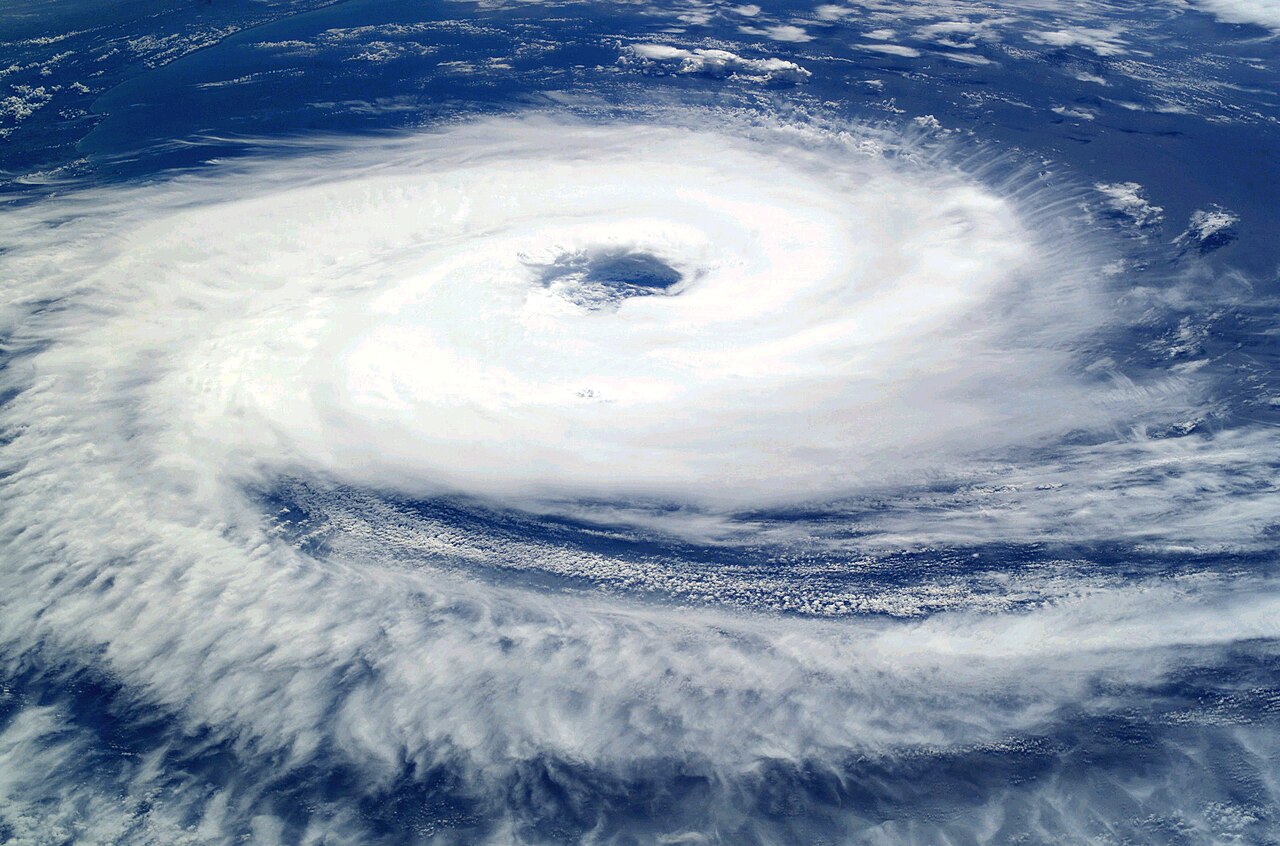


Characteristics and classification
The season comprised both purely tropical cyclones and hybrid systems. Subtropical storms develop characteristics of both tropical and extratropical systems, often with a broader wind field and less centralized convection than classic tropical cyclones. In 1974 these hybrid systems were more numerous than usual, demonstrating how mid-latitude troughs and cooler upper-level patterns can interact with Atlantic moisture to produce storms that do not fit the strict tropical definition.
Notable storms and impacts
While most storms in 1974 were moderate in intensity and impact, one storm stood out for its severity. Hurricane Fifi caused catastrophic flooding and landslides after making landfall in Central America, producing widespread destruction and a very high death toll. Much of the human cost in the season is attributed to Fifi's heavy rains and the vulnerable terrain and infrastructure in affected countries.
Human and societal effects
The season serves as a reminder that storm counts alone do not capture risk: a single powerful or slow-moving storm can cause the majority of casualties and damage. Emergency response, preparedness, and post-disaster recovery were affected by the scale of flooding and displacement associated with the most destructive systems of the year. International aid and longer-term rebuilding efforts followed in the hardest-hit areas.
Historical significance and distinctions
In historical summaries the 1974 season is often described as average in numeric activity but notable for its fatality concentration and for setting a contemporary record for subtropical storms. The interplay of tropical and subtropical formation mechanisms that year provides an example used in meteorological studies of transitional cyclone types and seasonal variability.
- Season dates: June 1 to November 30.
- Activity: Eleven named or numbered storms, seven received names (four were subtropical).
- Most lethal: Hurricane Fifi, with severe impacts in Central America.
For further reading and data compilations, consult regional hurricane archives and post-season reports that analyse storm tracks, intensity, and impacts in more detail. Relevant records and summaries from national meteorological services and research institutions can provide storm-by-storm breakdowns and long-term comparisons.
Questions and answers
Q: When did the 1974 Atlantic hurricane season begin and end?
A: The 1974 Atlantic hurricane season began on June 1, 1974 and ended on November 30, 1974.
Q: How many storms were recorded during the 1974 Atlantic hurricane season?
A: There were 11 storms recorded during the 1974 Atlantic hurricane season.
Q: How many of the 11 storms were given names in the 1974 Atlantic hurricane season?
A: 7 of the 11 storms were given names during the 1974 Atlantic hurricane season.
Q: Was the activity level of the 1974 Atlantic hurricane season considered to be above average, average, or below average?
A: The activity level of the 1974 Atlantic hurricane season was considered to be about average.
Q: Which hurricane was responsible for the majority of the deaths during the 1974 Atlantic hurricane season?
A: Hurricane Fifi was responsible for most of the deaths during the 1974 Atlantic hurricane season.
Q: How many Subtropical storms were recorded during the 1974 Atlantic hurricane season?
A: The 1974 Atlantic hurricane season had the most Subtropical storms, with 4 recorded.
Q: Was the 1974 Atlantic hurricane season one of the deadliest on record?
A: Yes, the 1974 Atlantic hurricane season was one of the deadliest on record due to Hurricane Fifi.
Author
AlegsaOnline.com 1974 Atlantic hurricane season Leandro Alegsa
URL: https://en.alegsaonline.com/art/133539