
1790s (Decade 1790–1799)
A turbulent decade from 1790 to 1799 marked by the French Revolutionary wars, the rise of Napoleon, political party formation in the United States, colonial revolts, and rapid social and technological change.
Overview
The 1790s (1 January 1790–31 December 1799) were a decade of intense political upheaval, international war, and social change. Revolutionary ideals born in the late 1780s continued to reshape governments and societies across Europe and the Americas. The decade bridged the collapse of ancien régimes, the expansion of republican experiments, and the emergence of new political leaders.
Image gallery
10 Images





Politics and war
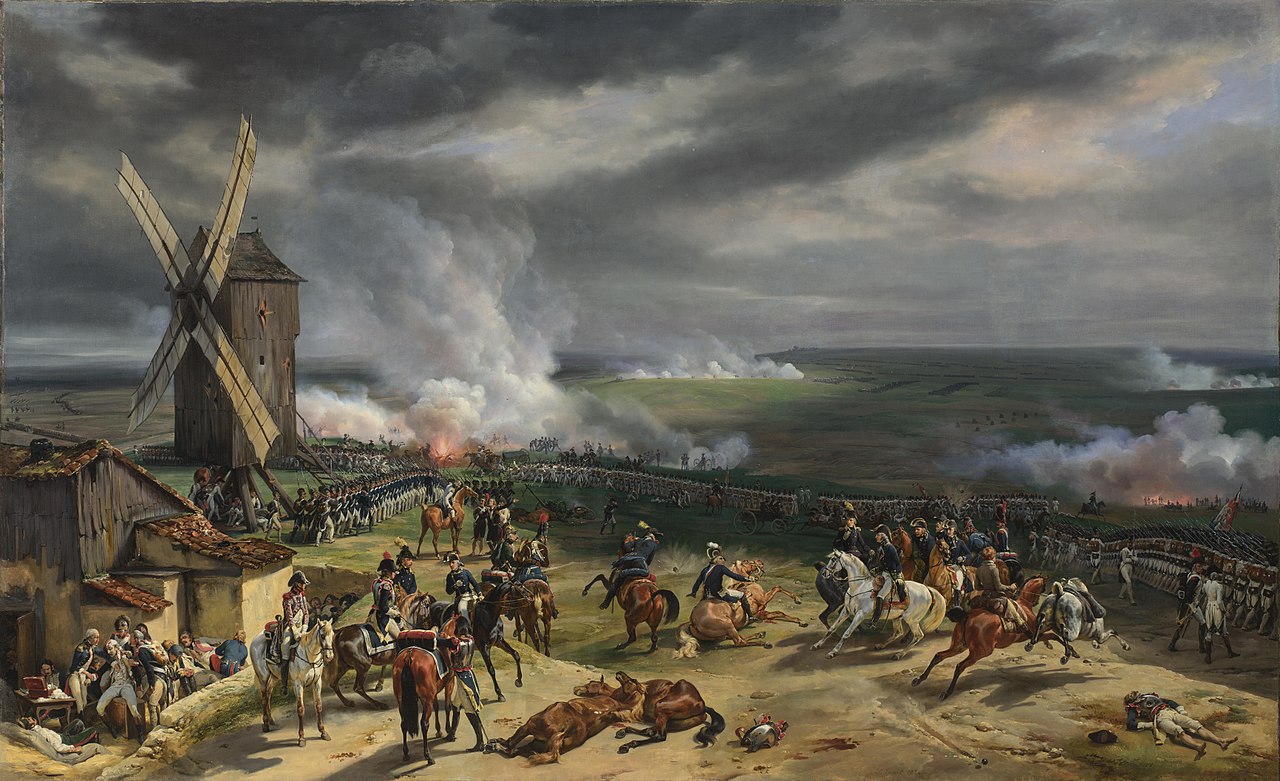
Conflict dominated much of the decade. The French Revolution moved through radical phases and internal repression, including the fall of Maximilien Robespierre in 1794, and France fought multiple coalitions of European powers in the Revolutionary Wars. By the close of the decade, a military leader, Napoleon Bonaparte, had consolidated power in France with the coup of 1799. In Eastern Europe the Third Partition of Poland (1795) erased the Polish–Lithuanian Commonwealth from the map.
Atlantic world and revolts
The ripple effects of revolution reached overseas. The Haitian Revolution, which began in 1791, transformed social orders in Saint-Domingue and would ultimately lead to the first successful slave revolt establishing a state. In Ireland, the 1798 United Irishmen uprising challenged British rule. In the United States, the new republic settled foundational questions: the Bill of Rights was ratified in 1791, political parties coalesced, George Washington completed his presidency in 1797, and John Adams succeeded him amid international tensions with France.
Society, economy and technology
Industrial and agricultural change continued in Britain and North America. Innovations and tools—most famously Eli Whitney's cotton gin in 1793—began to alter labor patterns and commodity production, with far‑reaching social consequences. Urbanization, commercial networks, and the growth of print culture spread new political and scientific ideas.
Culture and science
Intellectual and cultural life remained lively. Enlightenment debates on rights and citizenship influenced writers and reformers. The decade also witnessed losses and advances in science and the arts; notable figures across Europe and America were active in politics, literature, and natural science, and some, like chemist Antoine Lavoisier, became casualties of the turbulent politics of the era.
Notable events
- 1791: Ratification of the United States Bill of Rights;
- 1793–1794: Reign of Terror in France and execution of leading revolutionaries;
- 1793: Eli Whitney invents the cotton gin (U.S.), accelerating cotton agriculture;
- 1794: Suppression of the Whiskey Rebellion in the United States;
- 1795: Third Partition of Poland removes Poland from the map;
- 1798: Irish Rebellion and the Quasi‑War between the U.S. and France begins.
Questions and answers
Q: What was the length of the decade of the 1790s?
A: The decade of the 1790s lasted for 10 years, starting on 1 January 1790 and ending on 31 December 1799.
Q: Can you provide a specific date that marks the start of the decade of the 1790s?
A: Yes, the decade of the 1790s began on 1 January 1790.
Q: On which date did the decade of the 1790s come to an end?
A: The decade of the 1790s came to an end on 31 December 1799.
Q: What was the significance of the decade of the 1790s?
A: The decade of the 1790s was a significant period in history as it marked the beginning of the French Revolution and witnessed the rise of Napoleon Bonaparte to power.
Q: Was there any major event that took place during the decade of the 1790s?
A: Yes, the French Revolution was a major event that occurred during the 1790s.
Q: Why is the French Revolution considered to be significant in history?
A: The French Revolution is considered to be significant in history as it marked a turning point in France's history and led to major political, social, and economic changes in the country.
Q: Can the decade of the 1790s be considered as a momentous period in history?
A: Yes, the decade of the 1790s can be considered as a momentous period in history due to the significant events that occurred during this time, including the French Revolution and the rise of Napoleon Bonaparte to power.
Author
AlegsaOnline.com 1790s (Decade 1790–1799) Leandro Alegsa
URL: https://en.alegsaonline.com/art/133499