
115th United States Congress (2017–2019)
The 115th U.S. Congress met from Jan 3, 2017 to Jan 3, 2019, with Republican majorities in both chambers. It enacted major tax reform, confirmed numerous judicial nominees, and oversaw high‑profile investigations.
Overview
The 115th United States Congress convened on January 3, 2017 and concluded on January 3, 2019. It followed the 2016 federal elections and comprised both chambers of the federal legislature: the House of Representatives and the Senate. During this term both chambers were controlled by the Republican Party, with a larger majority in the House and a narrower margin in the Senate. The Congress operated during the first two years of the presidential administration elected in 2016 and addressed an agenda shaped by tax policy, judicial confirmations, and oversight of the executive branch.
Image gallery
10 Images


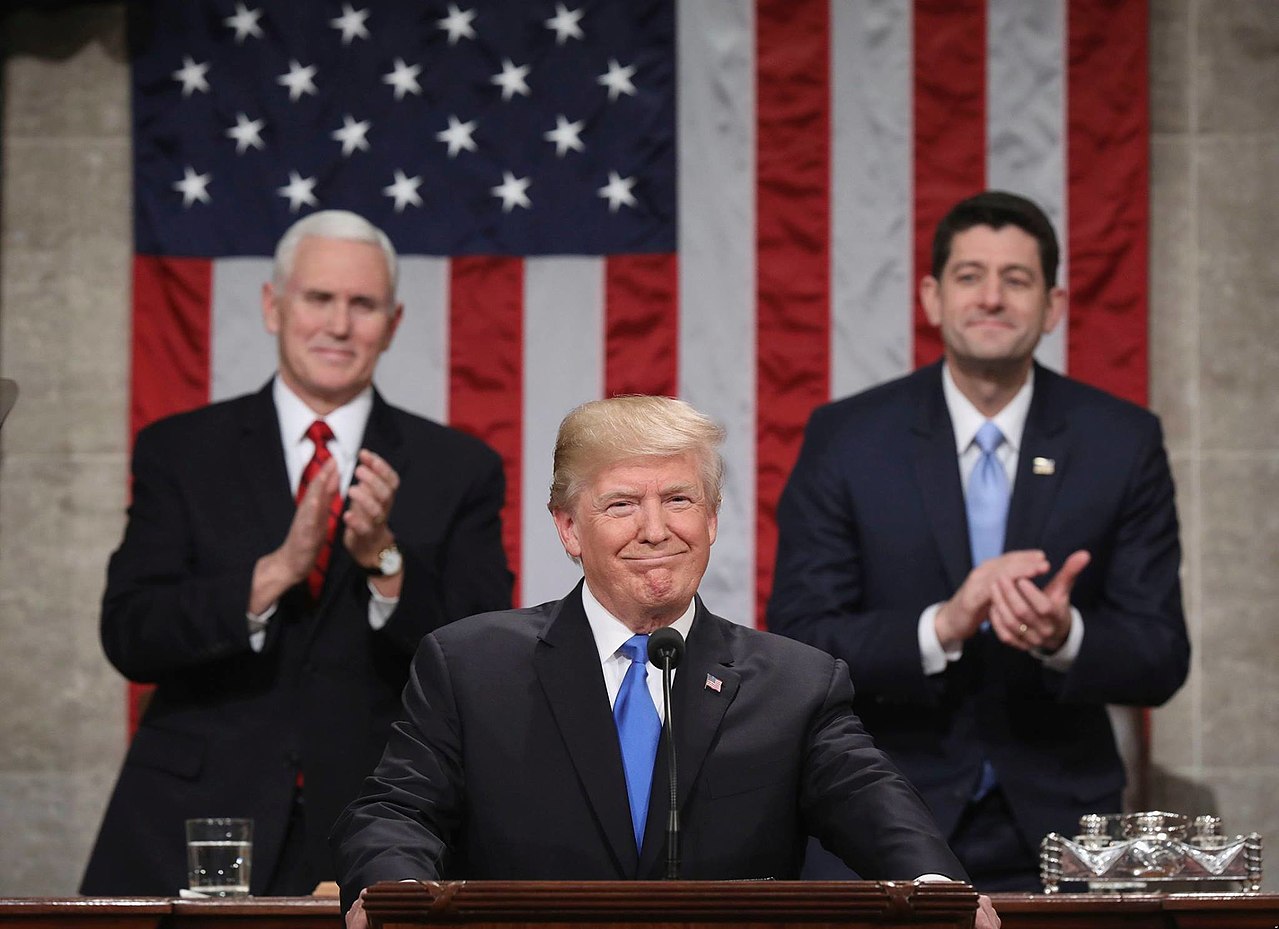


Composition and leadership
Leadership reflected the controlling party in each chamber. In the House the majority party set the legislative calendar and committees; in the Senate the majority leader guided floor consideration. Minority leaders led opposition strategy and coordinated responses to majority priorities. Membership changed over the term through special elections, appointments, and resignations, as is typical in a two‑year congressional cycle.
Major legislation and actions
- Tax reform: One of the signature achievements was enactment of broad changes to federal tax law in late 2017, passed through the budget reconciliation process.
- Judicial confirmations: The Senate confirmed numerous federal judges, including a Supreme Court nominee early in the term; procedural changes were invoked to allow confirmation by simple majority.
- Criminal justice reform: Bipartisan sentencing and prison reform measures advanced and were enacted toward the end of the term.
- Budget and appropriations: Funding negotiations produced continuing resolutions and a short government funding lapse in winter 2018.
Context and notable events
The 115th Congress operated amid intense partisan debate and several high‑profile oversight and investigatory matters involving foreign interference in the 2016 elections. Committees held numerous hearings and the legislative calendar was punctuated by negotiated deals, procedural maneuvers, and public contention over priorities such as health care, immigration, and infrastructure.
Legacy and significance
Decisions taken during this Congress—particularly the tax overhaul and the pattern of judicial appointments—had lasting policy and institutional effects. The 2018 midterm elections, held during this Congress, shifted control of the House for the next term, underscoring the electoral consequences of the 115th Congress's agenda and the political dynamics of its two‑year span. For further detail on membership and votes, see the official chamber pages: House, Senate, and general congressional records at Congressional resources.
Questions and answers
Q: What is the 115th United States Congress?
A: The 115th United States Congress was the 115th legislative cycle of the United States House of Representatives and the United States Senate.
Q: When did the 115th Congress begin and end?
A: The 115th Congress began on January 3, 2017, as a result of the 2016 elections, and ended on January 3, 2019, when the 116th Congress began.
Q: Which political party controlled both the House and Senate during the 115th Congress?
A: During the 115th Congress, both the House and Senate were controlled by Republicans.
Q: Was the 115th Congress the latest Congress in the United States?
A: No, the 115th Congress is not the latest Congress in the United States as it was succeeded by the 116th Congress.
Q: How long was the 115th Congress in session?
A: The 115th Congress was in session for 2 years, from January 2017 to January 2019.
Q: Who was the Speaker of the House during the 115th Congress?
A: The Speaker of the House during the 115th Congress was Paul Ryan, a Republican representative from Wisconsin.
Q: Were there any notable bills passed during the 115th Congress?
A: Yes, some of the notable bills passed during the 115th Congress include the Tax Cuts and Jobs Act, the First Step Act, and the VA Choice and Quality Employment Act.
Author
AlegsaOnline.com 115th United States Congress (2017–2019) Leandro Alegsa
URL: https://en.alegsaonline.com/art/133431