
Zhao Ziyang — Chinese reformer and Communist Party leader
Senior Chinese leader who served as Premier (1980–87) and General Secretary (1987–89), promoted economic reform and political moderation, removed after the 1989 Tiananmen events and placed under house arrest.
Overview
Zhao Ziyang was a senior official of the Chinese Communist Party (CCP) who played a leading role in the country’s reform era during the 1980s. He served as Premier of the People’s Republic of China (1980–1987), as a top party vice chairman, and as General Secretary of the CCP from 1987 until 1989. Zhao is widely remembered for advocating market-oriented economic measures, promoting administrative reforms, and urging a conciliatory approach during political unrest. For further biographical material, see additional sources.
Image gallery
6 Images


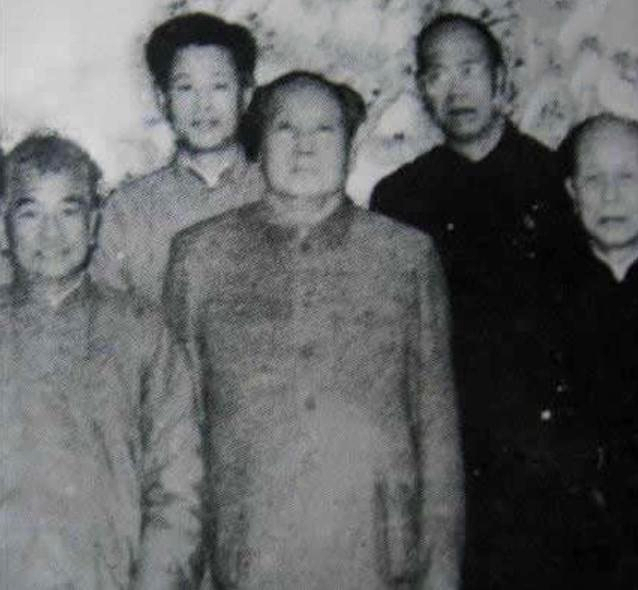
Political career and reform agenda
Rising through provincial and central ranks during the post-Mao transition, Zhao became one of the principal architects of policies that shifted China away from strict Maoist economic controls. He worked within a leadership coalition that included Deng Xiaoping, who supported greater openness and modernization; Zhao enjoyed Deng’s backing for many reform initiatives (see related context). His program emphasized decentralizing economic decision-making, encouraging rural and enterprise reforms, and reducing some state controls to stimulate productivity.
Zhao also spoke against remnants of Cultural Revolution-era policies and sought to strengthen party discipline and anti-corruption measures as part of broader governance reform. His anti-corruption efforts and market-oriented proposals provoked resistance from conservative figures within the party, including leaders such as Li Peng and Li Xiannian, and drew scrutiny from elder statesmen who feared rapid change. Scholars often link his economic program to pragmatic shifts in pricing, trade, and enterprise autonomy (economic reform context), while noting the political caution required to balance competing interests.
Tiananmen Square, political crisis, and dismissal
During the large-scale demonstrations of 1989, Zhao advocated dialogue with students and protesters and favored a restrained response rather than force. His stance put him at odds with party hardliners who supported a tougher approach. The crisis culminated in the military clearance of Tiananmen Square; in the aftermath Zhao was removed from his post and effectively purged from the CCP leadership. His dismissal reflected deep divisions within the party about how to manage political dissent and the limits of reform. The Cultural Revolution and its legacy remained a reference point for debates about political stability and reform priorities (historical background).
House arrest and later legacy
After 1989 Zhao was barred from political life and placed under a form of confinement that restricted his travel and public activity; several accounts note that he lived under tight supervision for the remainder of his life (status after 1989). Despite official censure, he retained support among many intellectuals and reform advocates who viewed him as a symbol of moderation and openness. Posthumous accounts, interviews, and publications have contributed to ongoing reassessments of his role and the reform era, while debates continue about the balance he sought between economic liberalization and political control (anti-corruption efforts).
Notable facts and distinctions
- Reform-minded: Zhao promoted market mechanisms and enterprise autonomy as part of a broader modernization agenda (economic reform links).
- Political moderate: He preferred negotiation and legal channels over coercion during political crises, a position that shaped his fate in 1989.
- Contested legacy: Views of Zhao range from seeing him as a practical reformer to a cautious technocrat; both supporters and critics emphasize the constraints he faced within the party hierarchy.
- Connections and opposition: His reform program had the backing of some top reformers, while attracting resistance from hardliners such as Li Peng and party elders referenced in contemporary sources (older leadership).
For readers who want primary documents or further reading, consult archival materials and collected writings available through major libraries and research centers (biographical collections, official records, Deng-era policy archives). Additional explanatory resources on the political background and the Cultural Revolution’s impact on later leaders are also useful (historical analyses, governance studies, post-1989 accounts).
Questions and answers
Q: Who was Zhao Ziyang?
A: Zhao Ziyang was a high-ranking politician in China.
Q: What positions did Zhao Ziyang hold in the government and Communist Party of China?
A: Zhao Ziyang was the Premier of the People's Republic of China from 1980 to 1987, Vice Chairman of the Communist Party of China from 1981 to 1982 and General Secretary of the Communist Party of China from 1987 to 1989.
Q: What was Zhao Ziyang's opinion of Maoist policies?
A: Zhao Ziyang did not like Maoist policies.
Q: Who supported Zhao Ziyang after the Cultural Revolution?
A: Zhao Ziyang received support from Deng Xiaoping after the Cultural Revolution.
Q: What changes did Zhao Ziyang try to make as a politician?
A: Zhao Ziyang tried to stop corruption and to make general market economic changes.
Q: Why did Zhao Ziyang become unpopular with important leaders?
A: Zhao Ziyang's views made him unpopular with important leaders including Premier Li Peng, former President Li Xiannian and Party elder Chen Yun.
Q: What happened to Zhao Ziyang after the Tiananmen Square protests of 1989?
A: After the Tiananmen Square protests of 1989, Zhao Ziyang was not allowed to be a politician and he was placed under house arrest.
Author
AlegsaOnline.com Zhao Ziyang — Chinese reformer and Communist Party leader Leandro Alegsa
URL: https://en.alegsaonline.com/art/133315