
Bouldering: the short, powerful discipline of rock climbing
Bouldering is a style of rock climbing performed on short routes called problems without ropes. It emphasizes technique, strength, and problem solving, practiced outdoors on boulders and indoors on artificial walls.
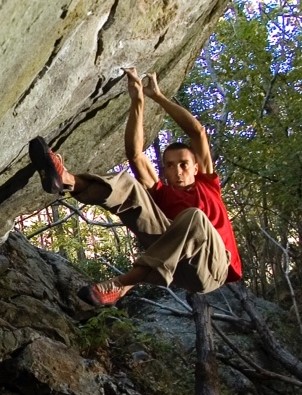
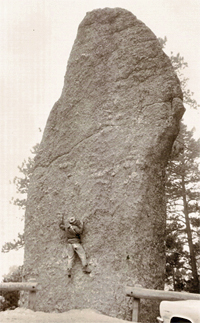
Bouldering is a branch of rock climbing characterized by short, challenging routes called "problems" climbed without a rope or harness. Problems are usually low enough that a fall will not lead to serious injury when appropriate precautions are taken. Climbers focus on technique, balance, and sequence of moves rather than endurance over long pitches. Because it removes the complexity of belaying gear, bouldering emphasizes body movement, strength, and creative problem solving.
Image gallery
10 Images



Typical features and equipment
Bouldering has distinctive elements that separate it from other climbing disciplines:
- Height: Problems are typically 2–6 meters high, though heights vary by location and route setter.
- Equipment: Minimal gear — climbing shoes, chalk, and one or more crash pads to cushion falls. A spotter may stand below to help guide a falling climber onto pads.
- Movement: Sequences often demand powerful, technical moves: crimps, slopers, pinches, heel hooks, and dynamic jumps (dynos).
- Grading: Difficulty is rated by systems such as the V-scale (common in the U.S.) and the Fontainebleau scale (Europe).
Safety and practice
Although bouldering dispenses with ropes, safety remains central. Crash pads are arranged to cover likely fall zones and a spotter helps direct a climber’s fall to the pads. Climbers are taught how to fall safely — rolling or landing on bent knees to reduce impact. Common minor injuries include sprains and abrasions; serious injuries are uncommon but possible without proper precautions or on high, poorly protected lines.
Training for bouldering often focuses on short, intense exercises: fingerboard routines, campus board work, and movement drills on low-angle walls. Indoor bouldering gyms provide controlled settings where route setters create problems at a variety of grades for progression and technique practice.
History, culture, and competition
Bouldering developed as a pastime and training method in the early 20th century, and it evolved into a distinct sport in the mid‑20th century as climbers emphasized gymnastic-style movement and strength training. Figures such as John Gill popularized the idea of bouldering as an athletic discipline, and the growth of climbing gyms made bouldering widely accessible. Famous outdoor bouldering areas include Fontainebleau (France) and Hueco Tanks (USA), which have long histories of classic problems and local traditions.
Organized competition bouldering is governed internationally and features short, difficult problems set on artificial walls. Competitive formats evaluate attempts to reach the top and intermediate holds (often called "zone" or "bonus"). Bouldering entered the global spotlight when it appeared in international multi-discipline events and as part of combined formats at recent major competitions.
Why climbers choose bouldering
Many climbers enjoy bouldering for its immediacy: problems can be rehearsed and refined move by move, progress is easy to track, and sessions deliver intense physical challenge in short bursts. It also fosters a social atmosphere—groups work problems together, sharing beta (sequence information) and encouragement. Whether practiced outdoors on natural rock or indoors on engineered walls, bouldering remains a core discipline of the broader climbing community.
For further reading about climbing techniques and conservation of bouldering areas see regional guides and route databases at climbing resources.
Questions and answers
Q: What is bouldering?
A: Bouldering is a type of rock climbing that can be practiced both on large natural boulders and in climbing gyms.
Q: Do boulderers use gear or a belayer?
A: No, boulderers do not use any gear or a belayer.
Q: Why does bouldering allow climbers to focus completely on the terrain and their movement?
A: Bouldering does not involve the use of any gear or a belayer, which allows climbers to focus completely on the terrain and their movement without any associated distractions.
Q: At what heights is bouldering usually practiced?
A: Bouldering is usually done at heights at which the climber does not usually suffer serious injuries in case of a drop.
Q: How are climbers protected from injuries in bouldering?
A: Climbers are usually protected from injuries in bouldering through the use of special bouldering mats that are placed underneath them.
Q: Can beginners try bouldering?
A: Yes, beginners can try bouldering as it does not require any special gear or skills.
Q: What kind of sport is bouldering?
A: Bouldering is a type of rock climbing that comes without gear, belayer, and associated distractions.
Related articles
Author
AlegsaOnline.com Bouldering: the short, powerful discipline of rock climbing Leandro Alegsa
URL: https://en.alegsaonline.com/art/13330