
Zebulon Pike — American explorer, soldier, and namesake of Pikes Peak
Zebulon Pike (1779–1813) was a U.S. Army officer and explorer of the early American West whose expeditions into the Louisiana Purchase and southwest informed maps, diplomacy, and later frontier settlement.
Zebulon Montgomery Pike (January 5, 1779 – April 27, 1813) was an American soldier and explorer whose name is best known today through Pikes Peak in Colorado. Trained as an officer in the U.S. Army, Pike rose to prominence for leading government-sponsored reconnaissance missions during the administration of President Thomas Jefferson. He later became a brigadier general and served in the War of 1812, where he was killed in action.
Image gallery
4 Images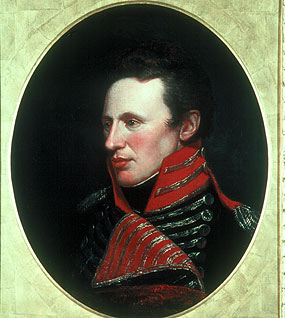


Early expeditions and purpose
After the United States acquired the vast territory commonly called the Louisiana Purchase, federal authorities sought information about rivers, mountain passes, native peoples, and the limits of Spanish authority in the region. Jefferson commissioned a number of exploratory missions; Pike’s assignments complemented other journeys such as the Lewis and Clark Expedition and contemporaneous trips up the southern waterways. Pike’s first major mission, undertaken in 1805–1806, examined parts of the upper Mississippi River and nearby country to improve maps and report on trade and Indian relations.
Southwest exploration and capture
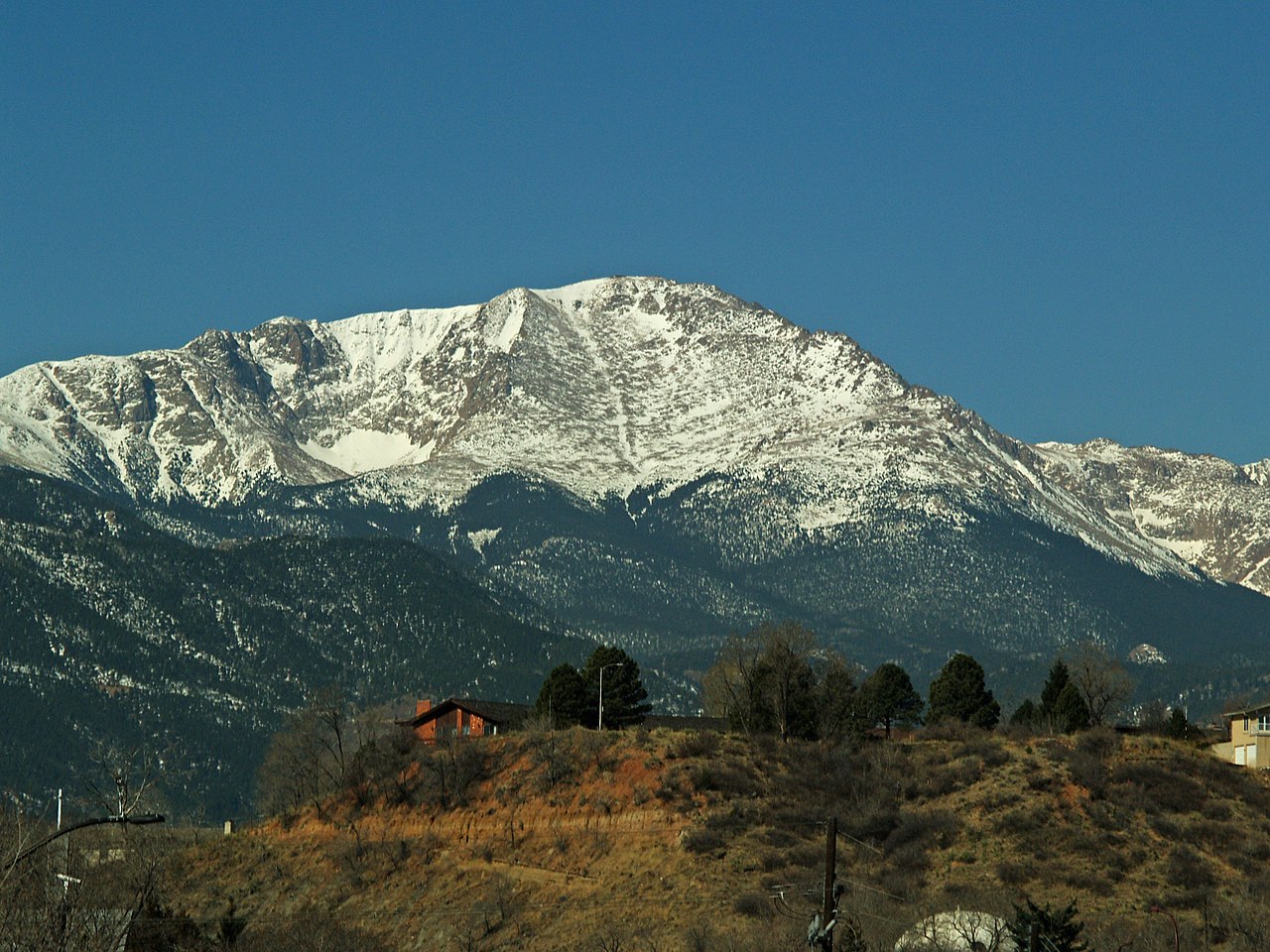
In 1806–1807 Pike led a second, more ambitious expedition toward the southwest to investigate the headwaters of western rivers and to approach the borderlands of Spanish-held provinces. His party crossed the Rocky Mountains and entered what is now southern Colorado, where Pike attempted to climb a prominent summit later identified with his name. While operating near the northern edge of Spanish settlements he and several members of his command were seized by Spanish authorities near Santa Fe. The captives were escorted to Chihuahua in present-day Mexico, questioned by officials, and then guided through Texas before being released near American-held territory in Louisiana.
- First expedition (1805–1806): reconnaissance of the upper Mississippi River basin.
- Second expedition (1806–1807): southwest approach, Rocky Mountain crossing, and encounter with Spanish authorities.
Pike’s reports and the maps compiled by his party supplied Washington with practical intelligence about the region’s geography, the disposition of Spanish settlements in New Mexico and Texas, and routes that might be useful to later commerce or military movements.
Publication, reception, and legacy
Following his return, Pike wrote a popular account of his travels that appeared in print in 1810. The narrative attracted interest abroad and was translated into Dutch, French, and German, reaching readers across Europe. In the United States his work, together with the reports of other explorers, helped shape national knowledge about the continent and influenced later migration and surveying efforts.
After resuming regular army duties, Pike advanced in rank and fought in the War of 1812. He was mortally wounded during the American attack on York (now Toronto) in April 1813. Over time his name has been attached to geographic features, military installations, and local histories. Historians note Pike’s mixture of scientific curiosity, military purpose, and the diplomatic hazards of exploring near imperial borders; his expeditions are often discussed in the same context as other early federal surveys of the transcontinental interior.
For readers seeking primary sources and modern discussions, many editions of Pike’s account and secondary studies of the early American West are available. Contemporary assessments place his work alongside that of other Jeffersonian explorers as part of the broader effort to map, claim, and understand continental North America in the years after the Louisiana Purchase.
Relevant links and topics: rank and service, namesake summit, regional geography, army career, presidential patronage, territorial context, river reconnaissance, New Mexico frontier, Texas borderlands, contemporary expeditions, mountain crossings, Spanish encounter, detention site, Mexican territory, return route, Dutch translations, French editions, German readers, European interest, final campaign.
Questions and answers
Q: Who was Zebulon Montgomery Pike?
A: Zebulon Montgomery Pike was an American brigadier general and explorer.
Q: What is named after him?
A: Pikes Peak in Colorado is named after him.
Q: What did President Thomas Jefferson ask him to do?
A: President Thomas Jefferson asked Pike to lead two journeys through the new Louisiana Purchase territory. The first was in 1805-06 to explore the upper northern parts of the Mississippi River, and the second journey was in 1806-07 to explore the Southwest to the edges of the northern Spanish-colonial settlements of New Mexico and Texas.
Q: What other journeys happened while Thomas Jefferson was president?
A: Other journeys that happened while Thomas Jefferson was president included the Lewis and Clark Expedition (1804–1806) and the Thomas Freeman and Peter Custis expedition up the Red River (1806).
Q: Where did Pike's second journey take him?
A: Pike's second journey crossed the Rocky Mountains into what is now southern Colorado.
Q: How were he and his men treated by Spanish authorities?
A: He and his men were captured by Spanish colonial authorities near Santa Fe, questioned, then led through Texas before being released near American territory in Louisiana.
Q: What book did he write about his journeys?
A:In 1810, Pike wrote a book about his journeys called "The Account of Expeditions to The Sources Of The Mississippi". It became so popular that it was translated into Dutch, French, and German languages for publication in Europe.
Author
AlegsaOnline.com Zebulon Pike — American explorer, soldier, and namesake of Pikes Peak Leandro Alegsa
URL: https://en.alegsaonline.com/art/133296