
Wilma Mankiller — Cherokee leader, community developer, and activist
Wilma Mankiller (1945–2010) was the first woman elected Principal Chief of the Cherokee Nation. She championed community-driven development, education and health programs, wrote about her life, and received national honors.
Wilma Pearl Mankiller (November 18, 1945 – April 6, 2010) was a pioneering Native American leader best known as the first woman to serve as Principal Chief of the Cherokee Nation. Her leadership combined grassroots community development with political advocacy for tribal self-determination. Mankiller’s work strengthened services for Cherokee citizens, expanded enrollment and participation in tribal programs, and brought wider public attention to Indigenous women in leadership.
Image gallery
7 Images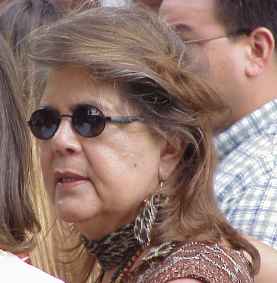



Early life and path into activism
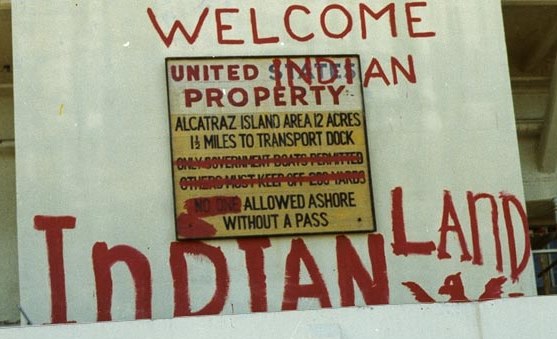
Mankiller was born in Oklahoma and raised during a period when many Native families were affected by federal relocation and economic pressures. In her early adulthood she became involved with community organizing and Native rights efforts. Returning to her home region, she took part in locally focused projects aimed at improving infrastructure and basic services. Those hands-on efforts, especially projects to provide clean water and other essentials to rural communities, shaped her belief that lasting change comes from community participation and local control.
Leadership of the Cherokee Nation
In 1977 Mankiller was elected deputy principal chief of the Cherokee Nation and later succeeded to the office of Principal Chief. She was elected in her own right in 1987 and led the Nation through the late 1980s and early 1990s. Her administration emphasized practical improvements in health care, education, housing and job creation. Mankiller supported programs that strengthened Cherokee language and culture, expanded tribal services, and increased tribal enrollment. She is often credited with encouraging a model of governance that combined modern management practices with deep respect for community traditions.
Programs and initiatives
Central to Mankiller’s approach were participatory community projects and institution-building. She promoted cooperative planning in rural areas and backed initiatives that brought medical, educational and economic resources to neighborhoods that had been long underserved. Among the initiatives associated with her leadership were literacy and cultural programs intended to preserve Cherokee traditions and language. She also championed policies to strengthen tribal sovereignty and the ability of Native governments to manage their own affairs.
Writings, honors and public profile
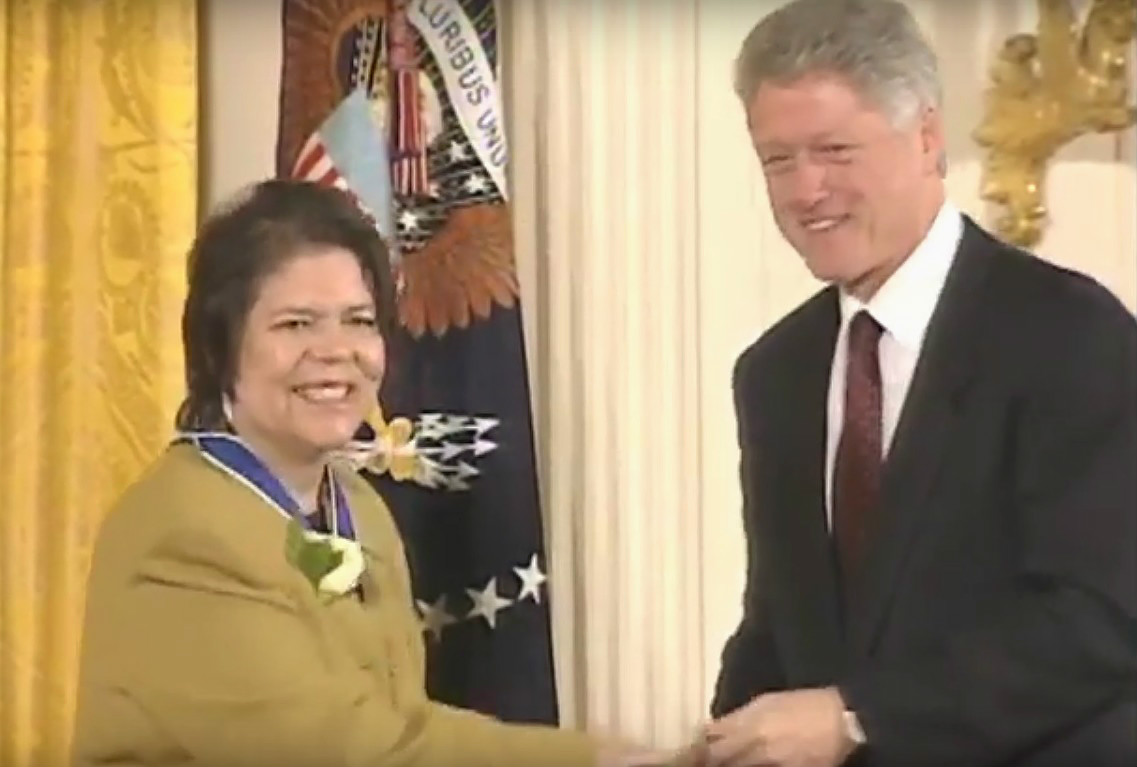
Mankiller shared her life story and ideas through public speaking and a memoir that reached a wide audience in the 1990s. Her leadership and public voice brought national recognition: she was inducted into the National Women’s Hall of Fame in 1993 and received the Presidential Medal of Freedom in 1998, one of the United States’ highest civilian honors. Through her writings and appearances she became a prominent advocate for Indigenous rights, women’s leadership and community-based development.
Legacy and significance
Wilma Mankiller’s legacy rests on several interlocking achievements: demonstrating that women could lead major Native nations, modeling community-centered development, and expanding the visibility of contemporary Native political and cultural life. She remains a touchstone figure for activists and public servants who emphasize local empowerment, cultural continuity and inclusive governance. Mankiller died of pancreatic cancer on April 6, 2010, and is remembered both within the Cherokee Nation and beyond as a transformational leader.
Notable facts
- First woman elected Principal Chief of the Cherokee Nation, a milestone for Native American leadership.
- Her tenure brought measurable expansion of tribal services in health, education and housing.
- Recipient of major honors, including induction into the National Women’s Hall of Fame and the Presidential Medal of Freedom.
- Authored a widely read memoir and remained an active public speaker on issues of Indigenous rights and women’s leadership.
Questions and answers
Q: Who was Wilma Pearl Mankiller?
A: Wilma Pearl Mankiller was the first female principal chief of a major Native American tribe. She dedicated her life to aid the advancement and recognition of the Cherokee Nation, a Native American tribe based in Oklahoma.
Q: When was she elected as deputy principal chief of the Cherokee Nation?
A: In 1977, she was elected to be deputy principal chief of the Cherokee Nation.
Q: When did she become Principal Chief?
A: She eventually replaced her boss as the Principal Chief in 1987.
Q: What improvements did her administration bring for the Cherokee Nation?
A: Her administration brought great improvements in healthcare, jobs, and education for the Cherokee Nation.
Q: What organization did Mankiller found?
A: Mankiller founded the Institute for Cherokee Literacy, which serves to preserve Cherokee traditions and culture.
Q: What honor did she receive in 1993?
A: In 1993, she became a member of the National Women’s Hall of Fame for her accomplishments.
Q: What is one of highest honors that a citizen can receive from United States government?
A: The Presidential Medal of Freedom is one of the highest honors a citizen of the United States can receive.
Author
AlegsaOnline.com Wilma Mankiller — Cherokee leader, community developer, and activist Leandro Alegsa
URL: https://en.alegsaonline.com/art/133040