
William Morris
William Morris (1834–1896) was an English designer, poet, novelist and socialist whose revival of craft, textile design and printing shaped the Arts and Crafts movement.
William Morris (24 March 1834 – 3 October 1896) was a leading figure in the late 19th century revival of traditional craft and design. He worked across many fields as an architect, furniture and fabric designer, artist, writer and political activist socialist. Born in Walthamstow in East London, his career combined visual design with practical workshops and publishing.
Image gallery
10 Images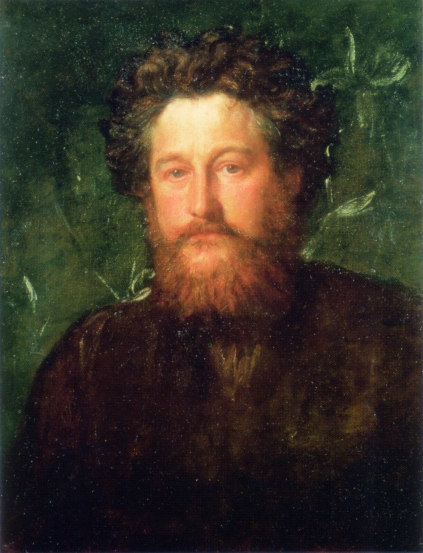


Overview and style
Morris favored natural forms, medieval craft techniques and richly patterned surfaces. He rejected industrial mass-production for the integrity of handmade work, promoting close collaboration between designer and craftsman. His repeating floral and foliate motifs remain widely recognized and revived in interior decoration.
Major activities and enterprises
He helped establish a decorative arts firm that produced textiles, wallpapers, stained glass and furniture, and later founded a private press to produce finely printed books. Morris also wrote poetry, essays and the utopian novel News from Nowhere, blending artistic, social and political ideas.
Influence and legacy
Morris's advocacy of craftsmanship and beauty in everyday objects influenced the Arts and Crafts movement and later modern design thinking. His designs have been continuously reproduced and adapted, and his printing and publishing work helped revive interest in book arts and typography.
Characteristics and notable contributions
- Emphasis on handcraftsmanship and quality materials.
- Patterned textiles and wallpaper with natural and medieval motifs.
- Integration of social theory with artistic practice.
- Revival of private press printing and fine book design.
Morris's combination of artistic practice, business enterprise and political commitment made him a central figure in 19th-century cultural reform, and his work continues to be studied and collected for its craftsmanship and ideological influence.
Questions and answers
Q: Who was William Morris?
A: William Morris was an English architect, furniture and fabric designer, artist, writer, and socialist.
Q: When was he born?
A: He was born on 24 March 1834.
Q: Where was he born?
A: He was born in Walthamstow in East London.
Q: When did he die?
A: He died on 3 October 1896.
Q: What type of design work did he do?
A: He designed furniture and fabrics.
Q: What other activities did he engage in besides design work?
A: Besides designing furniture and fabrics, Morris also wrote, painted, and engaged in political activism as a socialist.
Q: What is his legacy today?
A: Today Morris is remembered for his contributions to the Arts & Crafts Movement as well as his influence on modern design principles such as sustainability and craftsmanship.
Author
AlegsaOnline.com William Morris Leandro Alegsa
URL: https://en.alegsaonline.com/art/132961