
William Holman Hunt: English Pre-Raphaelite Painter
Overview of William Holman Hunt (1827–1910), a founding Pre-Raphaelite painter known for intense naturalism, religious imagery, travels to the Holy Land, major works and his lasting influence.
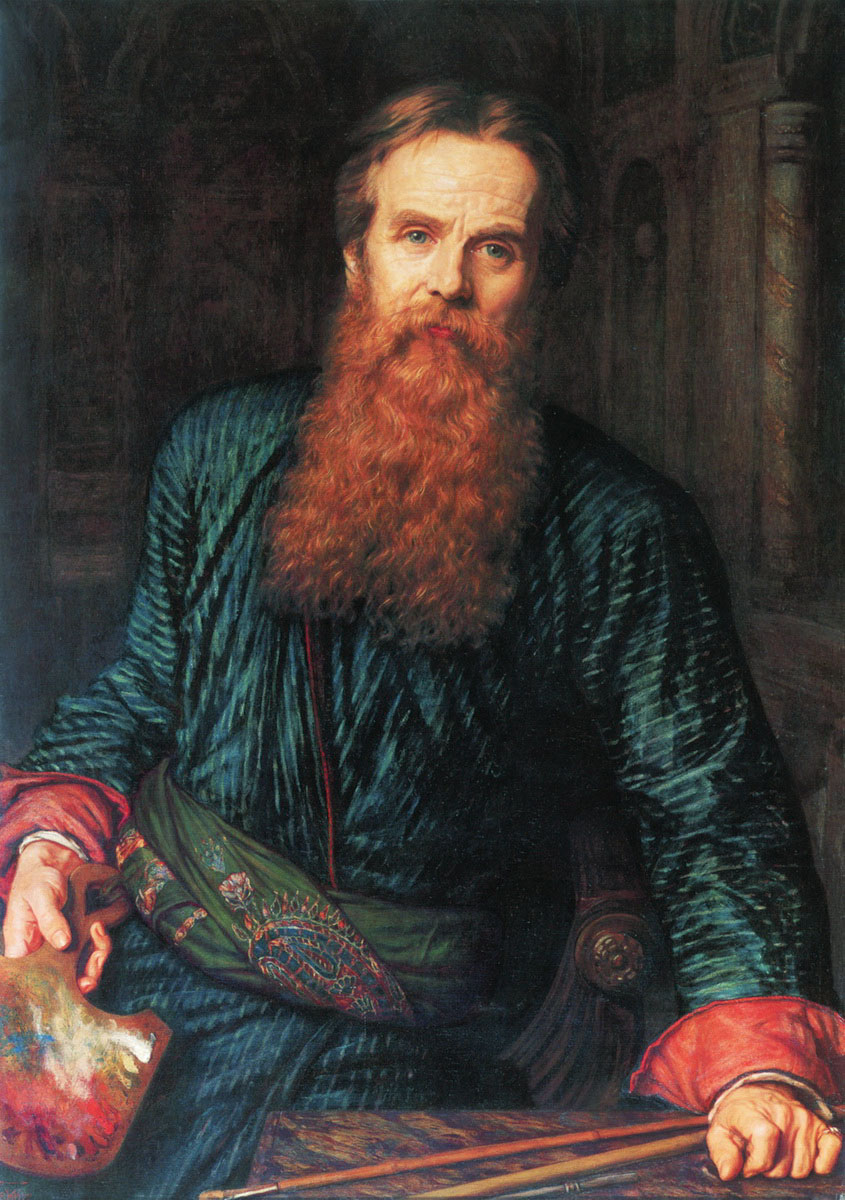
William Holman Hunt (1827–1910) was an English painter best known as one of the three founders of the Pre-Raphaelite Brotherhood. He sought to renew painting by returning to meticulous observation of nature, vivid colour and moral seriousness. Hunt's work combined close attention to physical detail with symbolic and religious themes; he aimed to make spiritual ideas visible and immediate through pictures that often read like carefully arranged scenes from everyday life.
Image gallery
10 Images




Style and artistic aims
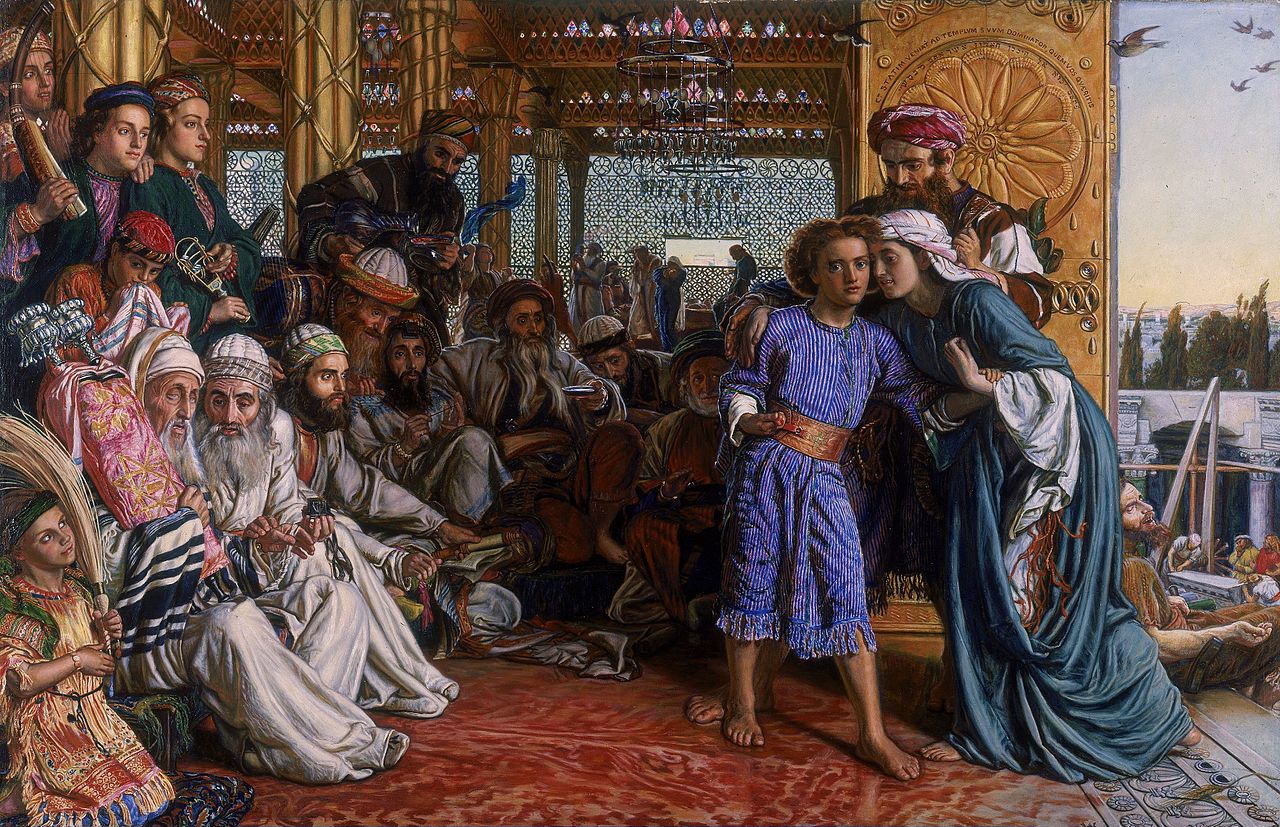
Hunt championed direct observation, painting with crisp outlines and saturated tones that contrasted with the softer, idealised manner then dominant in academic art. His method involved careful study of light, plant forms, textiles and architecture so that pictorial symbolism would rest on convincing realism. He and his fellow Pre-Raphaelites rejected what they saw as the slick virtuosity of later Renaissance-derived conventions, preferring instead a clarity and honesty they associated with early Italian and northern European painting.
Major works and subjects
Hunt produced both secular and religious pictures. Among his best known works are The Awakening Conscience and The Hireling Shepherd, which depict contemporary domestic or rural scenes loaded with moral meaning. His religious canvases—most famously The Light of the World—are theatrical but psychologically acute, combining devotional intent with exacting detail. Later projects, such as The Shadow of Death and The Scapegoat, show his growing interest in biblical narratives and the landscapes of the eastern Mediterranean.
Travels and the Holy Land
In the 1850s Hunt travelled to the eastern Mediterranean and the Holy Land to study settings, costumes and light firsthand. He believed that accurate local observation would lend authority to his biblical subjects and help audiences imagine the historical reality of the events portrayed. During these journeys he painted landscapes and figure compositions that attempted to reconcile archaeological, topographical and devotional concerns, and he later lived for periods in Jerusalem where he worked and received visitors.
Reception, legacy and notable facts
Early critical response to Hunt's work was often hostile: his precise detail and intense symbolism were labelled ugly or pedantic by some critics. Over time public and critical opinion shifted, and Hunt's influence spread through his paintings, engravings and the activity of younger artists who admired the Pre-Raphaelites' commitment to truth to nature. Reproductions and touring versions of favourite pictures helped make his images widely recognizable. His work remains studied for its combination of moral purpose, technical care and interest in the interplay between landscape and narrative.
Selected works and resources
- The Light of the World — an emblematic devotional image reproduced in several versions and widely circulated.
- The Awakening Conscience — a domestic moral scene noted for its detail and psychological nuance.
- The Scapegoat and The Shadow of Death — major biblical and landscape works produced after travels in the Middle East.
For introductions and collection entries see: biography and overview, catalogue entries, Pre-Raphaelite context, and materials on his associates such as Dante Gabriel Rossetti and John Everett Millais. Further scholarly and image resources include critical studies, technical analyses, and material on art-historical influences like early Italian painting and medieval art. For works in situ and exhibition histories try museum entries, Holy Land studies, and local archives such as institutional collections. General reference and auction history are available through summaries at market and provenance guides.
Questions and answers
Q: Who was William Holman Hunt?
A: William Holman Hunt was an English painter, and one of the founders of the Pre-Raphaelite brotherhood.
Q: What did Hunt and John Everett Millais seek to do?
A: Hunt and John Everett Millais sought to revitalise art by favouring detailed observation of the natural world in a spirit of devotion to truth.
Q: How were their works initially received?
A: Their works were initially not successful and were widely attacked in the art press for being clumsy and ugly.
Q: What is his most famous work?
A: His most famous work is The Light of the World (1851–1853), now in the chapel at Keble College, Oxford; a later version (1900) toured the world and now has its home in St Paul's Cathedral.
Q: Where did he travel to find material for more religious works?
A: He travelled to the Holy Land in search of material for more religious works.
Q: What other types of paintings did he create?
A: He also painted many works based on poems, such as Isabella, or the Pot of Basil and The Lady of Shalott.
Q: What is his auction record?
A: His auction record is £1,700,000, set at Sotheby's, London on 11 February 1994, for reduced-size version his 1873 work The Shadow of Death.
Author
AlegsaOnline.com William Holman Hunt: English Pre-Raphaelite Painter Leandro Alegsa
URL: https://en.alegsaonline.com/art/132933