
William Hogarth: English painter, printmaker and pioneer of satirical narrative
William Hogarth (1697–1764) was an English painter and printmaker known for moralising picture series, satirical prints and influence on sequential art and visual satire.
William Hogarth (1697–1764) was a central figure in 18th‑century British art whose career combined portraiture, engraved prints and pointed social satire. Working in London, he produced oil paintings and widely circulated engravings that commented on manners, vice and public life. His graphic narratives and engraved series connected image and story in ways that anticipated modern comic sequencing and editorial cartooning.
Image gallery
10 Images


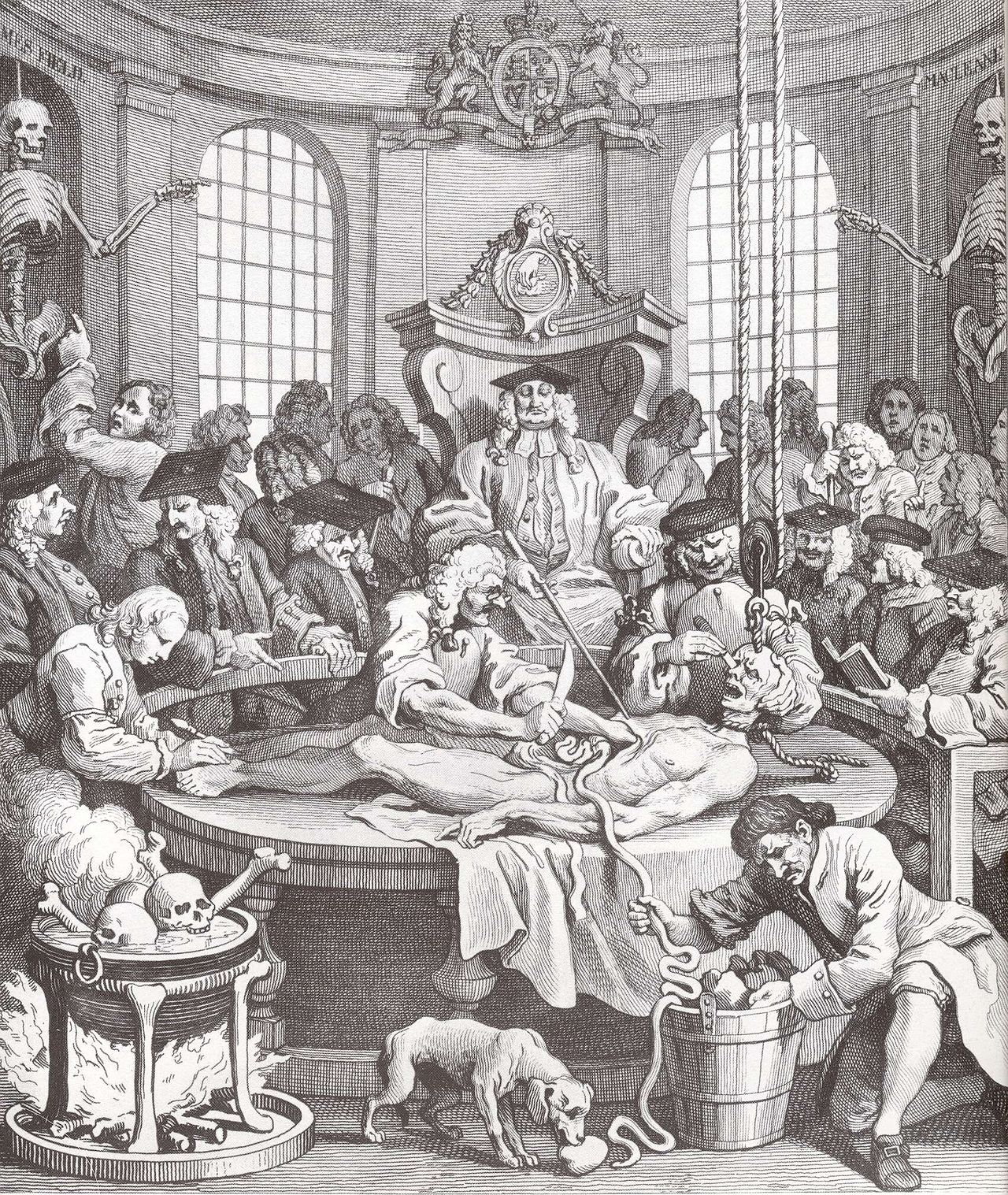


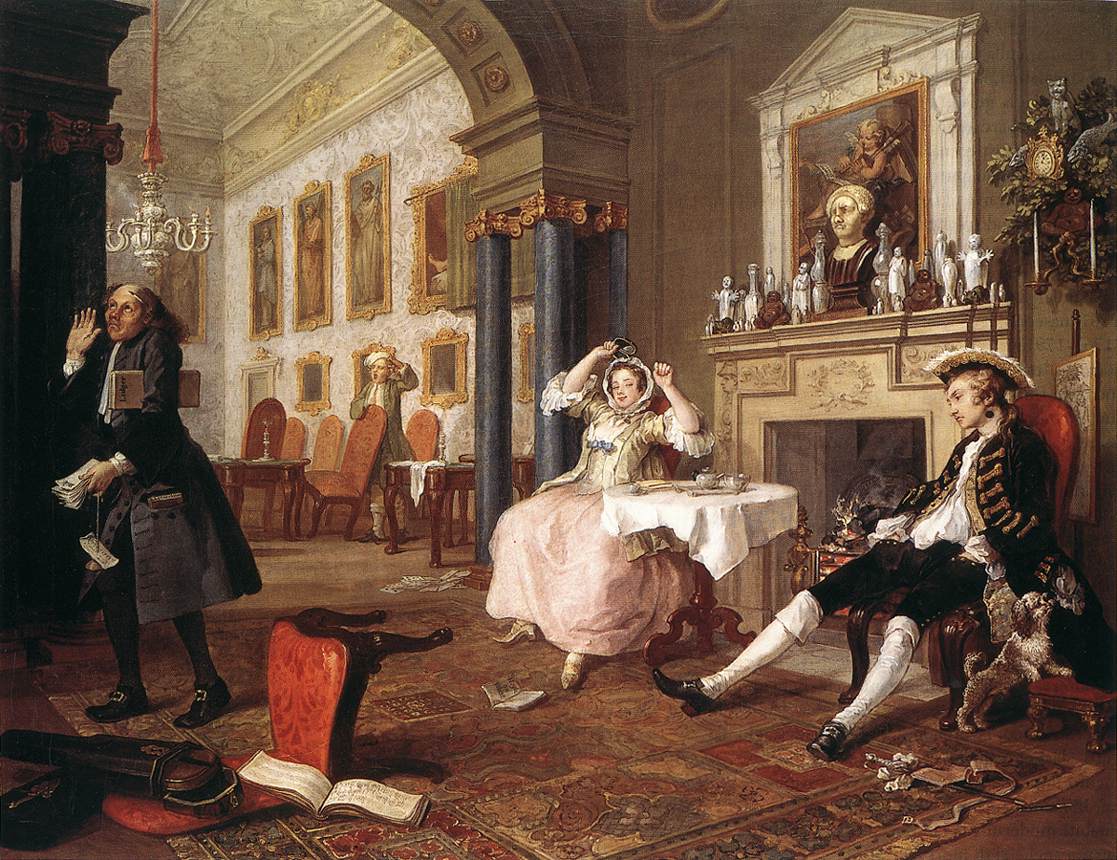
Style, technique and subjects
Hogarth worked as a painter and an engraver, using chiaroscuro and careful detail to give his scenes realism and clarity. He combined pictorial composition with printed text or captions to make moral points accessible to a broad audience. As a satirist and cartoonist, he employed caricature, symbolism and sequential panels to criticize social ambition, corruption and moral decline while often aiming to instruct as well as amuse.
Major works and series
- A Harlot's Progress — a series showing the fall of a young woman into prostitution and disease.
- A Rake's Progress — the fortunes of a profligate heir moving from wealth to ruin.
- Marriage A‑la‑Mode — satirical scenes about arranged marriage and social pretension.
- The Four Stages of Cruelty — a moral sequence condemning animal abuse and criminality.
Many of these were distributed as engraved prints, which made Hogarth's themes widely known and helped establish a popular visual language often described as Hogarthian.
Historical context and influence
Hogarth worked at a time when print culture, urban growth and a rising middle class created demand for images that entertained and instructed. He helped professionalize engraving and lobbied for legal protection for printmakers; the Engravers' Copyright Act of 1735—sometimes associated with his efforts—was an early step toward protecting artistic rights. His pictorial narratives influenced caricature, political illustration and the development of sequential art, and his name became shorthand for satirical, moralizing imagery.
Characteristics and legacy
Typical Hogarthian characteristics include moral narrative, expressive character types, dense detail and satirical symbolism. He painted realistic portraits and produced comic‑strip‑like series that were read by contemporary viewers for both entertainment and ethical instruction. Modern commentators credit him as a precursor to editorial cartoons and sequential art; his influence reaches theatre, illustration and visual criticism.
Notable facts
- Hogarth married into an artistic family and maintained close ties with other London artists and craftsmen.
- His prints were widely pirated in his lifetime, which helped spur campaigns for copyright protection.
- The adjective "Hogarthian" endures to describe coarse, moralising satire in images and prints.
Today Hogarth is remembered both for technical skill and for shaping the role of the artist as social observer and commentator. His works remain in museums and print collections and continue to be studied for their combination of humour, pathos and moral purpose.
Questions and answers
Q: Who was William Hogarth?
A: William Hogarth was an English artist, painter, printmaker, pictorial satirist, social critic, and editorial cartoonist.
Q: What is William Hogarth known for?
A: William Hogarth is known for his range of work, which includes realistic portraits and comic strip-like series of pictures called "modern moral subjects".
Q: What is William Hogarth's contribution to western sequential art?
A: William Hogarth is said to have started western sequential art.
Q: What is the style of satirical political illustrations often referred to as?
A: Satirical political illustrations in the style of William Hogarth are often referred to as "Hogarthian" due to his well-known work.
Q: What are some examples of William Hogarth's work?
A: William Hogarth's work includes realistic portraits and comic strip-like series of pictures called "modern moral subjects".
Q: What was William Hogarth's profession?
A: William Hogarth was a professional artist, painter, printmaker, pictorial satirist, social critic, and editorial cartoonist.
Q: When did William Hogarth live?
A: William Hogarth lived from 10 November 1697 to 26 October 1764.
Tags
Related articles
Author
AlegsaOnline.com William Hogarth: English painter, printmaker and pioneer of satirical narrative Leandro Alegsa
URL: https://en.alegsaonline.com/art/132931