
William Buckland: English geologist, palaeontologist and ordained clergyman
Biography and overview of William Buckland (1784–1856): his scientific work on fossils, Megalosaurus, coprolites and Kirkdale Cave; evolving views on the Deluge; honors and eccentricities.
Overview
William Buckland DD FRS (12 March 1784 – 14 August 1856) was an English theologian who combined clerical duties with pioneering work in geology and palaeontology. He served as Dean and held a prominent place at Westminster while also pursuing a scientific career as a geologist and palaeontologist. Buckland is best known for early descriptions of fossil reptiles, investigations of cave deposits, and for introducing coprolites as a source of palaeoecological information.
Image gallery
8 Images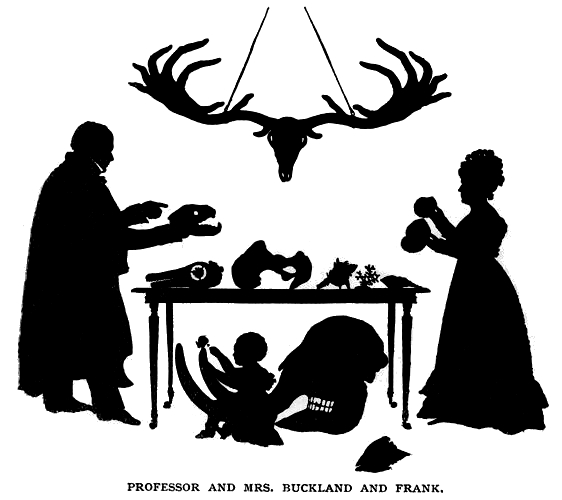




Life and academic career
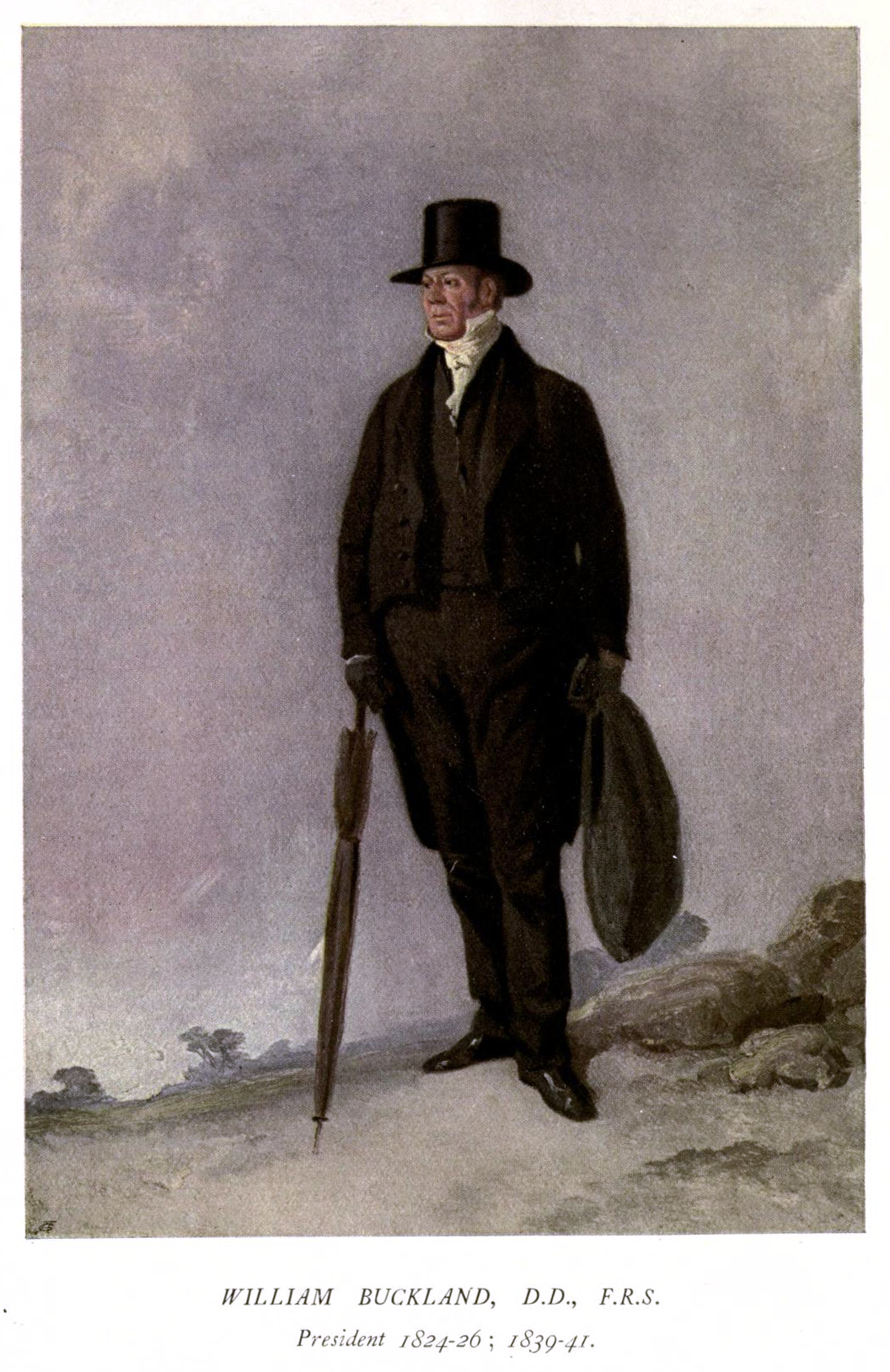
Buckland studied at Oxford, where he later became Reader in Geology. He was elected a Fellow of the Royal Society in 1818 and taught natural history at the university. His popular work Reliquiæ Diluvianæ (1823) addressed evidence for large-scale geological events and brought scientific debates about the Earth to a broad audience. Over time Buckland shifted some of his interpretations as new evidence accumulated, exemplifying how 19th‑century scientists revised views in response to data.
Major contributions and examples
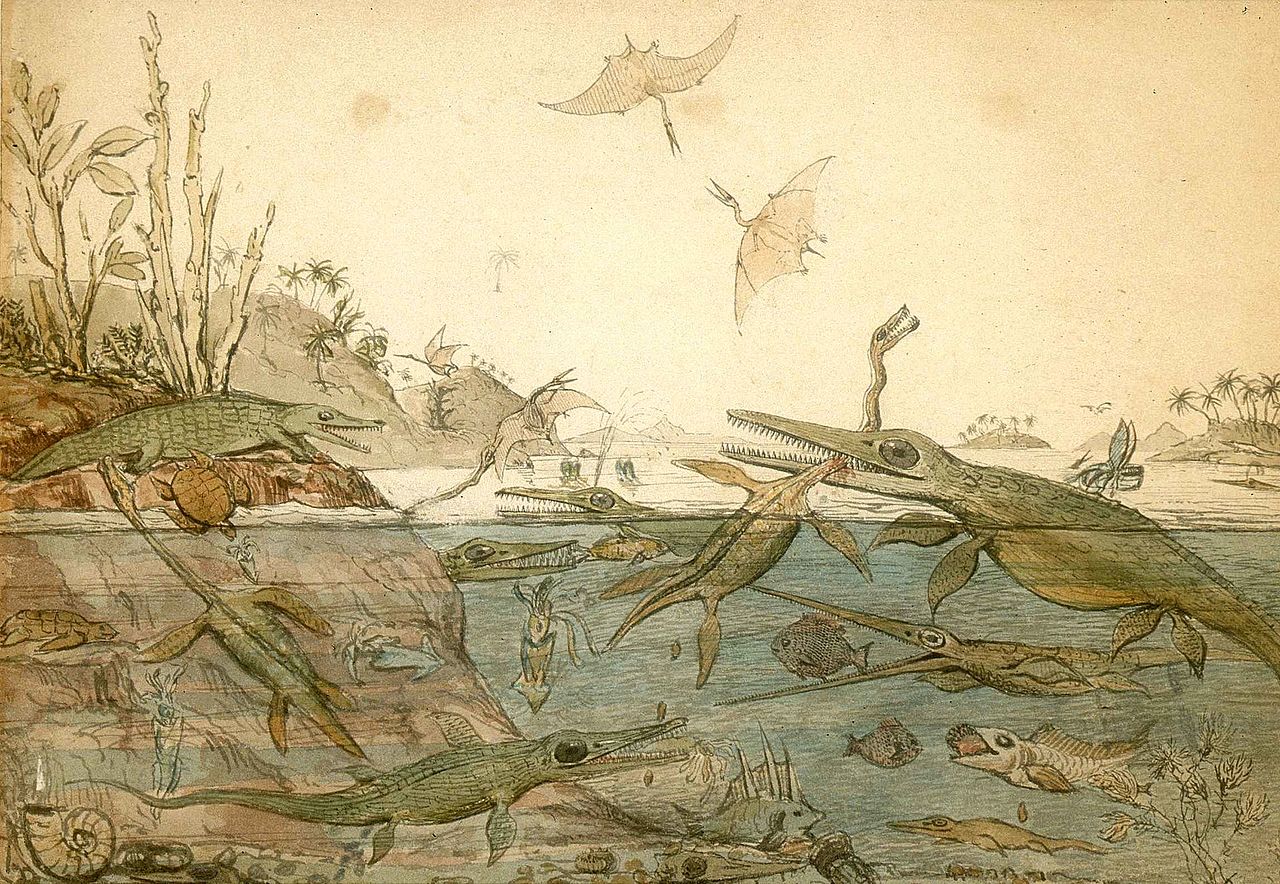
- Megalosaurus and early dinosaur studies: Buckland published the first substantial account of a fossil fossil dinosaur, which he named Megalosaurus. His descriptions helped establish large extinct reptiles as legitimate subjects of scientific inquiry rather than curiosities.
- Kirkdale Cave: His detailed work on Kirkdale Cave in Yorkshire demonstrated that the bone accumulations were not the result of a global flood but of prehistoric animal activity; he identified the site as a former hyena den and received the Copley Medal for this reconstruction of past life.
- Coprolites and ancient ecosystems: Buckland coined the term coprolites for fossilized dung and used such material to infer diets and food webs, contributing to the reconstruction of past ecosystems.
Scientific perspective and changing views
Early in his career Buckland sought to reconcile geological observations with scriptural narratives, a concern common among natural theologians of his era. In later works, including his contribution to the Bridgewater Treatise, he argued that careful study did not support a single, recent Noah‑style deluge as the cause of the major stratigraphic features observed. Instead, he accepted that much of the evidence previously attributed to a universal flood could be explained by large-scale processes such as glaciation and regional events, reflecting an important shift toward modern geological interpretation of past climates and glaciation.
Personality, habits and legacy
Buckland was known for an energetic, curious temperament and a somewhat eccentric personal life. His home was filled with geological and zoological specimens, both living and preserved. He also famously practiced zoöphagy (describing and sometimes sampling animal flesh from many species) and accepted unusual alimentary challenges. An oft‑repeated anecdote records that he tasted a fragment reportedly from the mummified heart of Louis XIV, a story that underlines his reputation for scientific showmanship and appetite for the extraordinary.
Beyond anecdotes, Buckland's careful field observations, descriptive skill, and willingness to revise interpretations left a durable mark on paleontology and the history of geology. His integration of anatomical knowledge with field evidence helped establish methods for reconstructing ancient environments and animal behavior, and his career illustrates the interplay of religion and science in Victorian Britain. For further reading on Buckland's life and work, consult modern biographies and histories of early palaeontology and geological thought. Theologian context, Deanery role, Westminster connections, geology background, palaeontology, fossil studies, dinosaur research, Megalosaurus details, Kirkdale context, Copley Medal award, coprolite research, ecosystem reconstruction, Noah flood discussion, glaciation studies, Louis XIV anecdote.
Questions and answers
Q: Who was William Buckland?
A: William Buckland was an English theologian who became Dean of Westminster. He was also a geologist and palaeontologist, and is noted for being the first to write a full account of a fossil dinosaur which he named Megalosaurus.
Q: What did Buckland prove about Kirkdale Cave in Yorkshire?
A: Buckland proved that Kirkdale Cave in Yorkshire had been a prehistoric hyena den, for which he was awarded the Copley Medal of the Royal Society.
Q: What did Buckland use to reconstruct ancient ecosystems?
A: To reconstruct ancient ecosystems, Buckland used fossilized faeces (which he coined as coprolites).
Q: When was Buckland elected as a fellow of the Royal Society?
A: In 1818, Buckland was elected as a fellow of the Royal Society.
Q: What book did Buckland publish in 1823?
A: In 1823, Buckland published his work Reliquiæ Diluvianæ which became a best seller.
Q: What changed over the next decade regarding what had been taken as evidence of the 'Universal Deluge'?
A: Over the next decade, what had been taken as evidence of the 'Universal Deluge' two decades before was thought by Buckland to be evidence of major glaciation instead.
Q: How did William Buckland practice zoöphagy?
A:William buckand practiced zoöphagy by claiming to have eaten much of the animal kingdom.
Author
AlegsaOnline.com William Buckland: English geologist, palaeontologist and ordained clergyman Leandro Alegsa
URL: https://en.alegsaonline.com/art/132892