
William Boyce (1711–1779) — English composer and editor
William Boyce (1711–1779) was an English composer who bridged late Baroque and early Classical styles; celebrated for church and stage music, orchestral works, and for editing the influential Cathedral Music collection.
William Boyce was born in London on 11 September 1711 and died in Kensington on 7 February 1779. He is widely regarded as one of the leading English composers active in the 18th century, working at a stylistic crossroads between the late Baroque and the emerging Classical idiom. Boyce produced music for the church, the stage and the orchestra and combined practical craftsmanship with an ear for tradition.
Image gallery
4 Images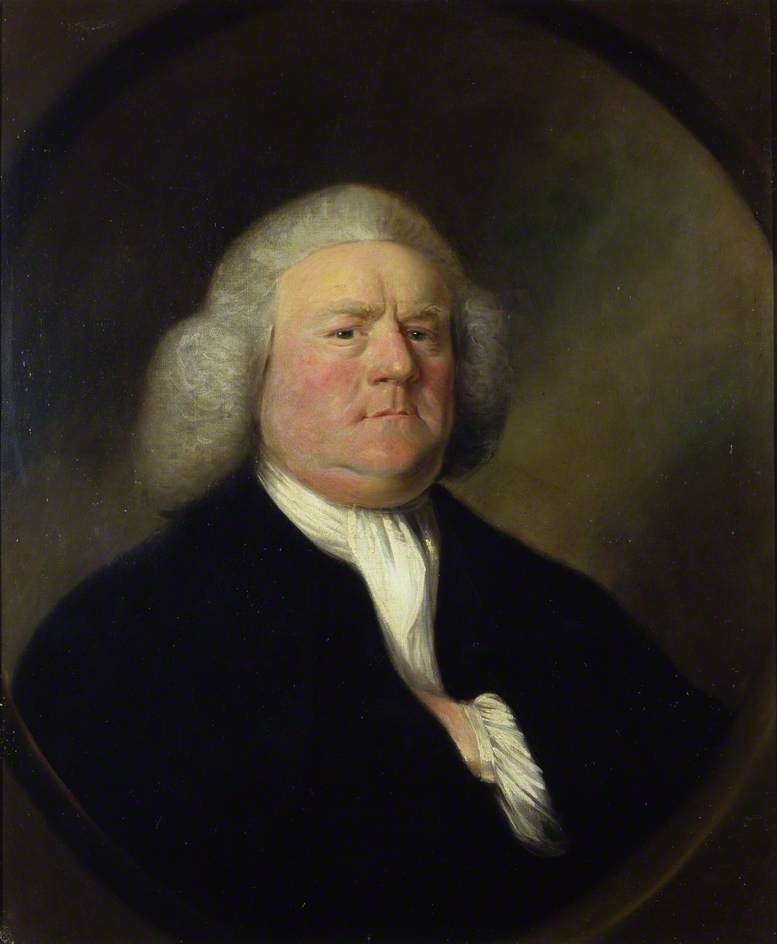


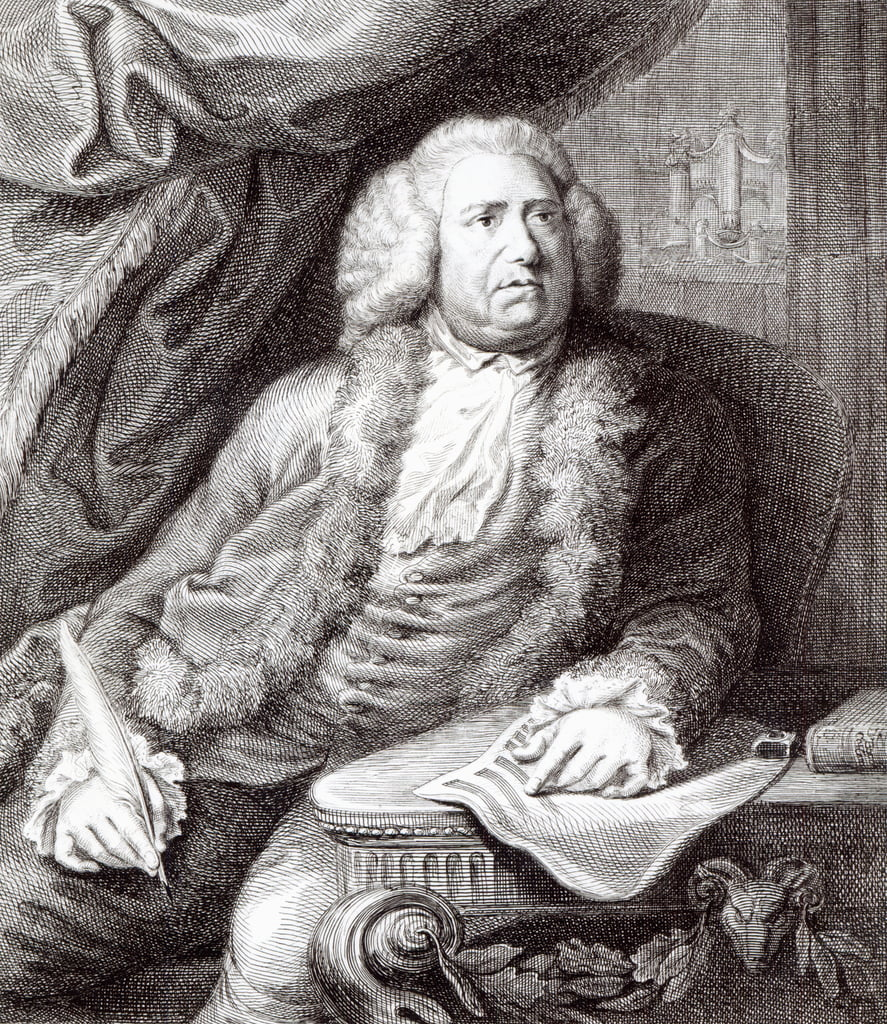
Life and career
Boyce trained and worked in London, where he held important musical appointments in the capital's institutions and churches. He composed for public concerts and provincial performances as well as for court and chapel. During his career he gained recognition not only as a creative musician but also as an organiser of music collections and as a caretaker of English choral repertory. In the middle decades of the century he was appointed to senior court musical office and continued to influence musical life until his death.
Works and musical style
Boyce wrote in a range of genres. His church compositions include services, anthems and occasional ceremonial pieces that have been used in Anglican worship. He also supplied a great deal of music for the theatre, creating overtures, songs and incidental pieces for London's stage. His instrumental output contains orchestral music that reflects both baroque textures and simpler classical clarity. Many of his works balance contrapuntal technique with clear, singable melodies.
Typical categories of his output include:
- Theatre music and incidental songs for plays and entertainments.
- Church services and anthems used in cathedrals and chapels.
- Orchestral overtures and concert pieces for public performance.
Beyond original composition, Boyce made a lasting contribution as an editor and preserver of older English choral music. His anthology collected and reprinted works by earlier English masters, making them accessible to later choirs and performers and helping to sustain a continuous choral tradition.
Today Boyce is remembered both for his own music and for his role in safeguarding England's choral heritage. His pieces appear occasionally in liturgical programs and concert series, and his editorial work remains a notable example of 18th‑century musical scholarship and practical musicianship.
Further reading and sources: biographical surveys, editions of his collected church music and histories of Georgian musical life offer more detailed assessments of his output and influence. For concise reference see standard music dictionaries and modern recordings of representative works.
Questions and answers
Q: Who is William Boyce?
A: William Boyce is one of the most important English composers of the 18th century.
Q: When was William Boyce born?
A: William Boyce was born on September 11, 1711 in London.
Q: When did William Boyce die?
A: William Boyce died on February 7, 1779 in Kensington.
Q: In which periods was William Boyce composing?
A: William Boyce was composing during the last years of the Baroque period and the early years of the Classical Period.
Q: For what type of music is William Boyce famous?
A: William Boyce is famous for his church music as well as music for the theatre and orchestral music.
Q: What is the significance of William Boyce in English music history?
A: William Boyce is considered one of the most important English composers of the 18th century due to his contributions to church music and different styles of orchestral music.
Q: What are some examples of William Boyce's compositions?
A: Some examples of William Boyce's compositions include his "Anthems for the Chapel Royal," "Symphonies for Strings," and his "Ode for St Cecilia's Day."
Author
AlegsaOnline.com William Boyce (1711–1779) — English composer and editor Leandro Alegsa
URL: https://en.alegsaonline.com/art/132891