
William Bligh: Royal Navy officer, commander of HMS Bounty and colonial governor
William Bligh (1754–1817) was an English Royal Navy officer who commanded HMS Bounty, survived the 1789 mutiny and a remarkable open-boat voyage, later served as Governor of New South Wales; his reputation remains contested.
Overview: William Bligh (1754–1817) was an English naval officer whose career combined technical skill in navigation with episodes of controversy. He served in the Royal Navy and is best known for commanding HMS Bounty on a botanical transport mission. Earlier in his career he sailed with Captain James Cook on exploration voyages in the Pacific and gained a reputation for precise charting and seamanship.
Image gallery
10 Images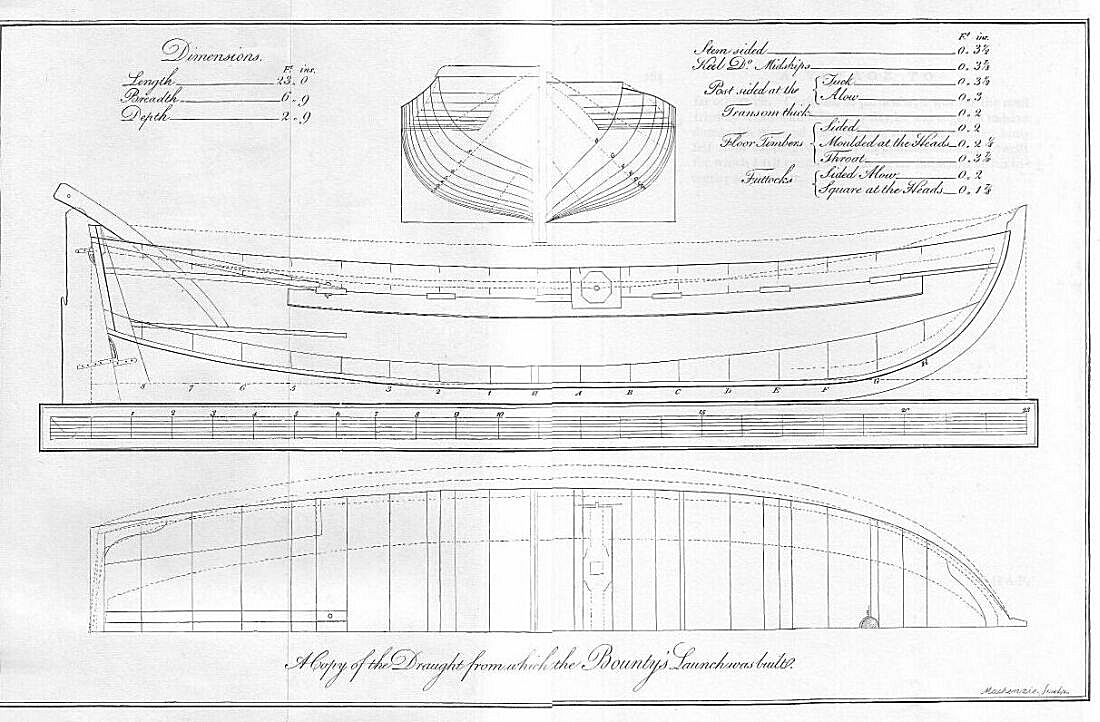


Early service and navigational skill
Bligh rose through the ranks as a competent naval officer, serving on long-ranging expeditions in the late 18th century. He was closely associated with the era's exploratory work and benefited from experience acquired during Cook's third voyage. Contemporary and later accounts note Bligh's technical talents in navigation, surveying and provisioning, qualities that led to further commissions.
The Bounty voyage and mutiny
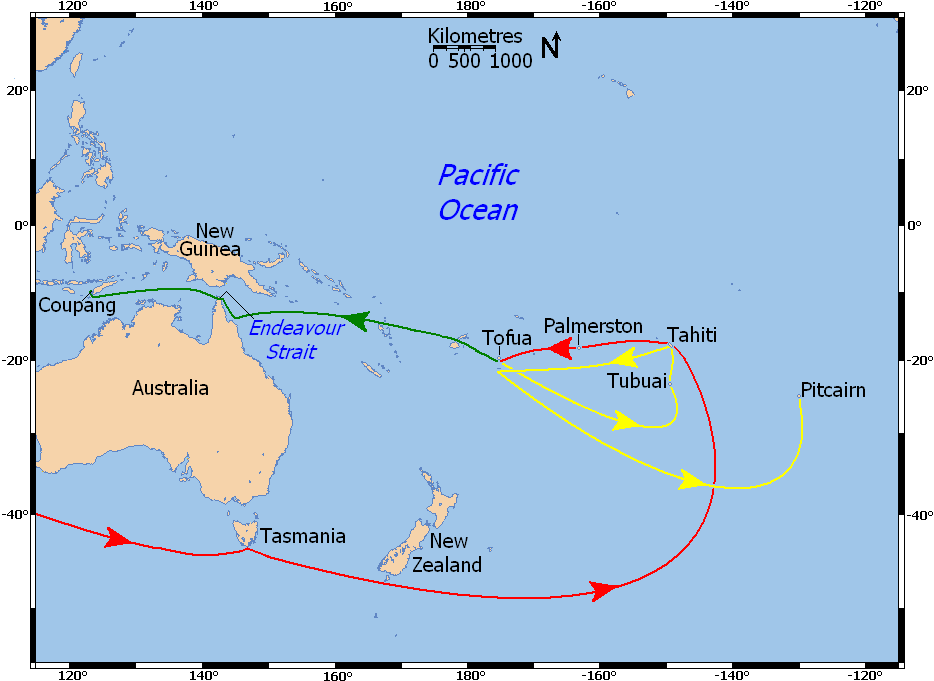
In 1787 Bligh took command of HMS Bounty on a mission to collect breadfruit plants from Tahiti to transport to British colonies as a cheap food source. While anchored in the Pacific the long voyage and life on board strained relations between some members of the crew and their officers. In 1789 a faction led by Fletcher Christian seized the ship in what became the famous Mutiny on the Bounty. Bligh and a number of loyal crew were set adrift in a small launch.
Open-boat navigation and survival
After the mutiny Bligh demonstrated exceptional navigation and leadership under extreme hardship. He organized a voyage in the open launch across long stretches of ocean with limited supplies and navigation instruments. Using careful reckoning and local knowledge, he guided the party to safety at a friendly port. The journey is often cited as one of the greatest feats of small-boat seamanship in the age of sail.
Later naval career and governorship
Following his return to British authority Bligh sought to have mutineers tried; some were captured, others evaded justice by settling on remote islands. Bligh later accepted another naval commission and continued to serve, eventually rising to flag rank. In 1806 he was appointed Governor of New South Wales, where his efforts to regulate trade and curb corruption led to sharp conflict with the local military corps and settler elites. That conflict culminated in the 1808 Rum Rebellion, after which Bligh was deposed and returned to England. He later received further promotions in the British Navy.
Legacy
Bligh's legacy is mixed and has been reassessed over time. Popular portrayals often emphasize a harsh command style, while naval historians highlight his technical achievements and the exceptional navigation he displayed after the mutiny. The Bounty story inspired numerous books, plays and films and remains a focal point for debate about leadership, discipline and maritime life in the late 18th century.
Notable facts and timeline
- Served with Cook on Pacific exploration voyages.
- Commanded HMS Bounty on a voyage to collect breadfruit trees in Tahiti.
- Survived the 1789 mutiny and led a remarkable open-boat voyage to safety.
- Later resumed naval service, was appointed Governor of New South Wales, and was involved in the 1808 Rum Rebellion.
- Promoted to flag rank before his death in 1817 and remains a contested historical figure.
For further research consult naval records, contemporary correspondence and modern biographies that examine both Bligh's seamanship and the controversies of his command. Institutional archives and specialized studies provide more detailed chronologies and primary documents relevant to his life and career.
Questions and answers
Q: Who was William Bligh?
A: William Bligh was an English officer in the British Navy.
Q: What voyage did Bligh sail on with Captain James Cook?
A: Bligh sailed on Cook's third and final voyage in 1776.
Q: What was Bligh's mission on HMS Bounty?
A: Bligh's mission on HMS Bounty was to sail to Tahiti and collect breadfruit trees.
Q: What happened during Bligh's mission on HMS Bounty?
A: A Mutiny on the Bounty occurred and prevented Bligh from finishing his task.
Q: What position was Bligh appointed to in 1806?
A: Bligh was appointed as Governor of New South Wales in 1806.
Q: What rank was Bligh promoted to in the Royal Navy after returning to England?
A: Bligh was promoted to Rear-Admiral and later a Vice-Admiral in the Royal Navy after returning to England.
Q: When did William Bligh pass away?
A: William Bligh passed away on 7 December 1817.
Author
AlegsaOnline.com William Bligh: Royal Navy officer, commander of HMS Bounty and colonial governor Leandro Alegsa
URL: https://en.alegsaonline.com/art/132889