
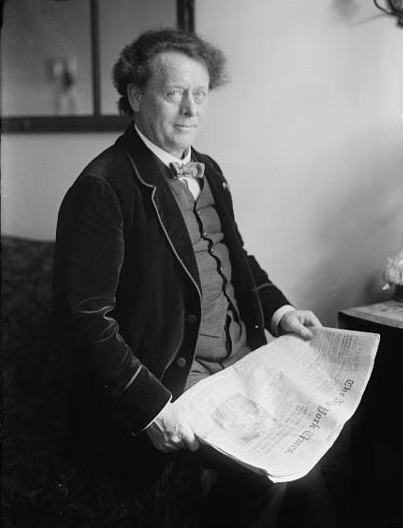
Willem Mengelberg — Dutch conductor and long-time leader of the Concertgebouw Orchestra
Willem Mengelberg (1871–1951) was a Dutch conductor who led the Concertgebouw Orchestra for about fifty years, shaping its sound and repertoire; his musical legacy is notable and historically controversial.
Overview
Willem Mengelberg was born in Utrecht on 28 March 1871 and died in Zuort, Switzerland on 22 March 1951. A prominent Dutch conductor, he is best known for his extraordinarily long tenure with the Concertgebouw Orchestra in Amsterdam, where he raised the ensemble to international standing over roughly fifty years.
Image gallery
4 Images


Musical approach and repertoire
Mengelberg was admired for his attention to orchestral detail, demanding rehearsals and an expressive, flexible approach to tempo and phrasing. He championed late-Romantic composers and is especially remembered for promoting the music of Gustav Mahler and Richard Strauss, helping introduce and establish these works in the Netherlands.
Career development
During his long association with the orchestra he shaped programming, performance standards and interpretation. Under his leadership the ensemble gained a reputation for warmth of tone and rhythmic clarity. Mengelberg also made early recordings and led tours that increased the orchestra's profile beyond Dutch borders.
Controversy and later life
Mengelberg's reputation became complicated by his activities during the Second World War. After the conflict he faced accusations that affected his standing in the Netherlands; authorities restricted his ability to work there and he spent his final years in Switzerland. These events have led modern writers to treat his musical achievements and wartime conduct separately, prompting ongoing historical reassessment.
Legacy and significance
Today Mengelberg is recognized both for elevating the Concertgebouw Orchestra to world-class status and for influencing conducting practice in the early 20th century. His interpretations, recordings and organizational standards remain subjects of study, even as scholars continue to debate the ethical and historical implications of his wartime choices.
Notable facts
Questions and answers
Q: Who is Willem Mengelberg?
A: Willem Mengelberg is a Dutch conductor who conducted the Concertgebouw Orchestra in Amsterdam for fifty years.
Q: When was Willem Mengelberg born and when did he die?
A: Willem Mengelberg was born on March 28, 1871 and he died on March 22, 1951 in Zuort, Switzerland.
Q: What is Willem Mengelberg famous for?
A: Willem Mengelberg is famous for conducting the Concertgebouw Orchestra in Amsterdam for fifty years, making them one of the world's finest orchestras.
Q: Where was Willem Mengelberg born and where did he die?
A: Willem Mengelberg was born in Utrecht, Netherlands, and he died in Zuort, Switzerland.
Q: How long did Willem Mengelberg conduct the Concertgebouw Orchestra in Amsterdam?
A: Willem Mengelberg conducted the Concertgebouw Orchestra in Amsterdam for fifty years.
Q: What is the Concertgebouw Orchestra?
A: The Concertgebouw Orchestra is considered to be one of the finest orchestras in the world and is based in Amsterdam.
Q: Where is the Concertgebouw Orchestra located?
A: The Concertgebouw Orchestra is based in Amsterdam.
Author
AlegsaOnline.com Willem Mengelberg — Dutch conductor and long-time leader of the Concertgebouw Orchestra Leandro Alegsa
URL: https://en.alegsaonline.com/art/132877