
Wilhelm Furtwängler: German conductor and musical interpreter
Wilhelm Furtwängler (1886–1954) was a leading German conductor known for expressive interpretations of the German Romantic repertoire, influential recordings, his complex wartime role, and lasting impact on conducting practice.
Overview
Wilhelm Furtwängler was born in Berlin on 25 January 1886 and died in Baden-Baden on 30 November 1954. He is widely regarded as one of the major orchestral conductors of the twentieth century. Often described as the quintessential interpreter of the German Romantic tradition, Furtwängler combined an intellectual sense of large-scale musical structure with deeply expressive, often spontaneous gestures on the podium. He is regularly identified as a leading German conductor whose performances continue to be discussed and studied.
Image gallery
7 Images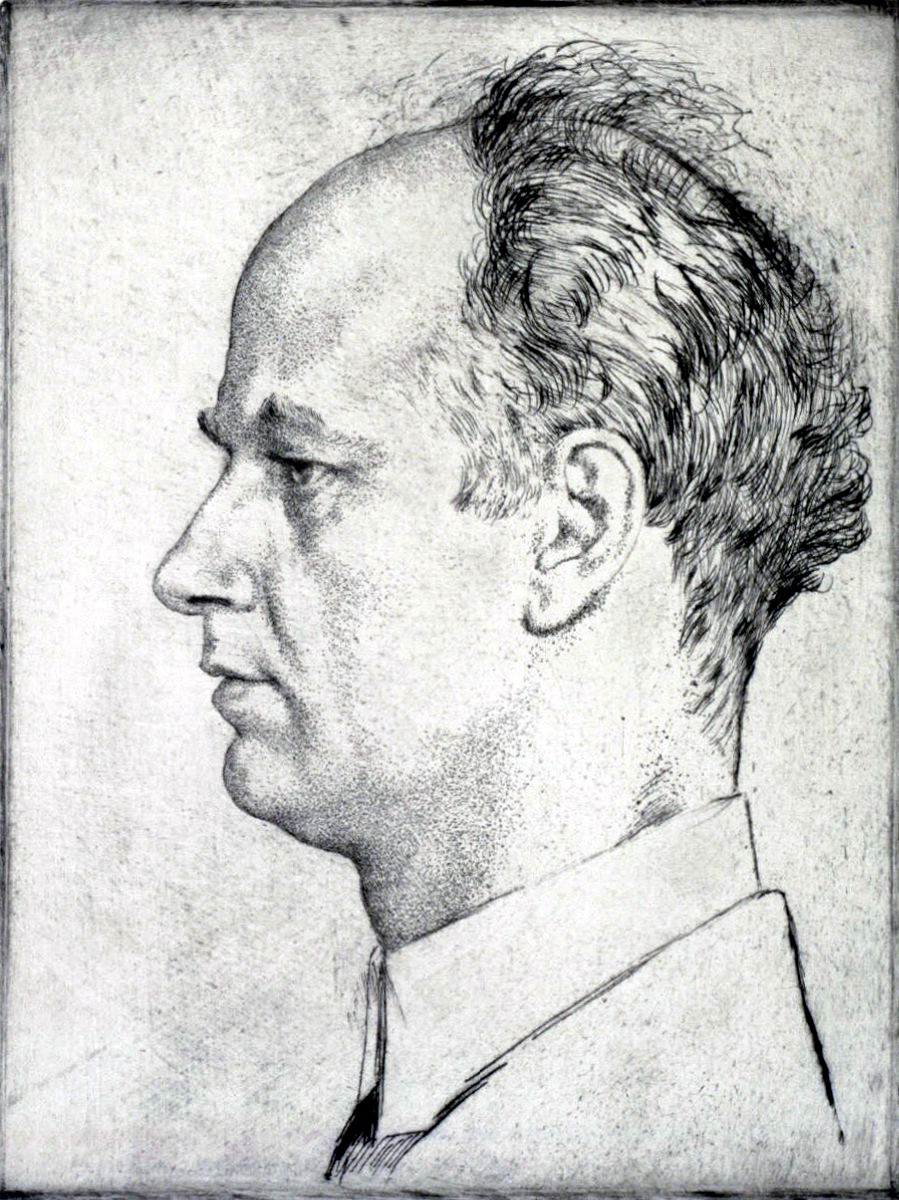


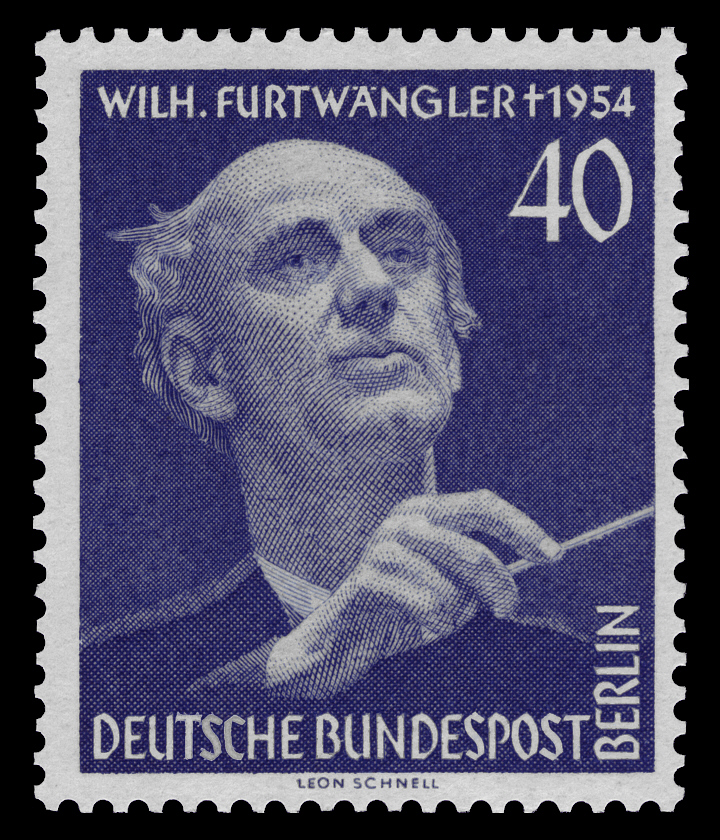
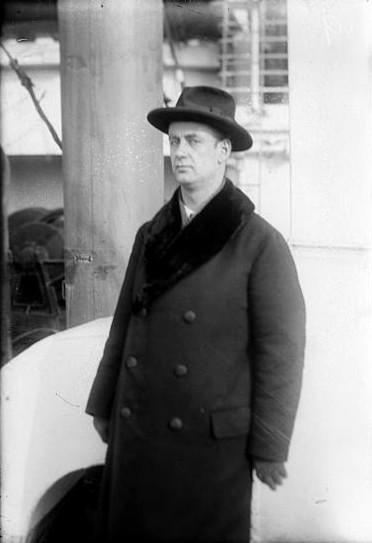
Early life and education
Born into an intellectual and artistic family, Furtwängler studied composition and conducting in Germany and showed early promise as both a musician and thinker. His background in composition influenced his approach to rehearsal and interpretation: he attended carefully to harmonic progression and formal coherence even while privileging expressive nuance.
Career highlights
Furtwängler rose to prominence in the early twentieth century and became principal conductor of the Berlin Philharmonic in 1922, a position he held through much of his career. His repertoire centered on the great German masters and he became especially associated with performances of Beethoven, Brahms, Bruckner and Wagner. Many contemporaries and later critics noted the power and conviction of his interpretations; the Italian conductor Arturo Toscanini reportedly ranked him among the foremost conductors of his time.
Conducting style
Furtwängler's style emphasized long musical lines, flexible tempi and an architecture-driven conception of phrasing. Rather than strict metrical precision, he favored tension-and-release shaping across entire movements, seeking continuity and organic unfolding. His manner could be described as improvisatory in appearance but grounded in careful knowledge of score details.
Repertoire and recordings
He championed the central German repertory and helped keep works by classic and romantic composers in the concert canon. Audiences and students continue to seek out his interpretations of Beethoven, Brahms, Bruckner, and Wagner. Furtwängler left a substantial body of recordings, many of which are live performances that preserve the spontaneity of his approach and remain important reference points for conductors and listeners interested in historical performance practice.
Wartime role and postwar assessment
Furtwängler's decision to remain in Germany during the Nazi era prompted intense scrutiny. He maintained that staying allowed him to protect musicians and preserve artistic life, while critics argued that remaining carried moral compromise. After the war he underwent denazification procedures; historians and musicologists continue to debate the ethical and practical dimensions of his wartime activities. The complexity of this history has become part of his broader legacy.
Compositions and influence
Although principally celebrated as a conductor, Furtwängler also composed. His conducting pedagogy and recorded performances influenced generations of conductors, and his aesthetic—prioritizing expressive freedom within structural clarity—remains a point of reference in discussions of interpretation. He is frequently cited for helping to sustain the works of important German composers during politically turbulent times.
Legacy
- Artistic reputation: remembered as a leading interpreter of the German Romantic canon and as an artist who valued expressive depth and formal architecture.
- Controversy: his wartime presence in Germany and the choices he made continue to be examined by scholars and commentators.
- Enduring recordings: live performances preserve his distinct approach and are studied by musicians and listeners interested in historical perspectives.
Today Furtwängler is studied both for his musical insights and as a historical figure whose career raises questions about art, responsibility and leadership in difficult times. His interpretations remain influential and provoke ongoing discussion about the balance between fidelity to the score and expressive freedom.
Questions and answers
Q: Who was Wilhelm Furtwängler?
A: Wilhelm Furtwängler was a famous German conductor, born on January 25, 1886 and died on November 30, 1954 in Baden-Baden.
Q: How is Wilhelm Furtwängler regarded in the world of music?
A: Wilhelm Furtwängler is widely regarded as one of the greatest conductors in history, and many people believe that he is the best conductor ever.
Q: Which famous Italian conductor praised Furtwängler's work?
A: According to the text, Arturo Toscanini, a famous Italian conductor, once praised Wilhelm Furtwängler as the world's best conductor apart from himself.
Q: What type of music was Furtwängler particularly well-known for conducting?
A: Wilhelm Furtwängler was particularly well-known for conducting the music of famous German composers such as Beethoven, Brahms, Bruckner, and Wagner.
Q: How did people feel about Furtwängler's performances of German music?
A: According to the text, people loved Wilhelm Furtwängler's performances of music by German composers like Beethoven, Brahms, Bruckner, and Wagner.
Q: What did Furtwängler's critics say about his conducting style?
A: The text doesn't mention Furtwängler's critics or their opinions of his conducting style.
Q: When and where did Wilhelm Furtwängler pass away?
A: Wilhelm Furtwängler passed away on November 30, 1954 in Baden-Baden.
Author
AlegsaOnline.com Wilhelm Furtwängler: German conductor and musical interpreter Leandro Alegsa
URL: https://en.alegsaonline.com/art/132861