
Wilhelm Friedemann Bach
German composer and eldest son of J.S. Bach, noted organist and keyboard virtuoso. A gifted improviser and composer of keyboard and church music, his volatile career ended in poverty despite notable works.
Overview
Wilhelm Friedemann Bach (22 November 1710 – 1 July 1784) was a German composer and prominent organist of the mid‑18th century. He is best known as the eldest surviving son of Johann Sebastian Bach, and for a repertoire centered on keyboard music, liturgical works and short orchestral pieces. Contemporaries praised his improvisatory skill, but his temperament and career choices produced a mixed legacy.
Image gallery
3 Images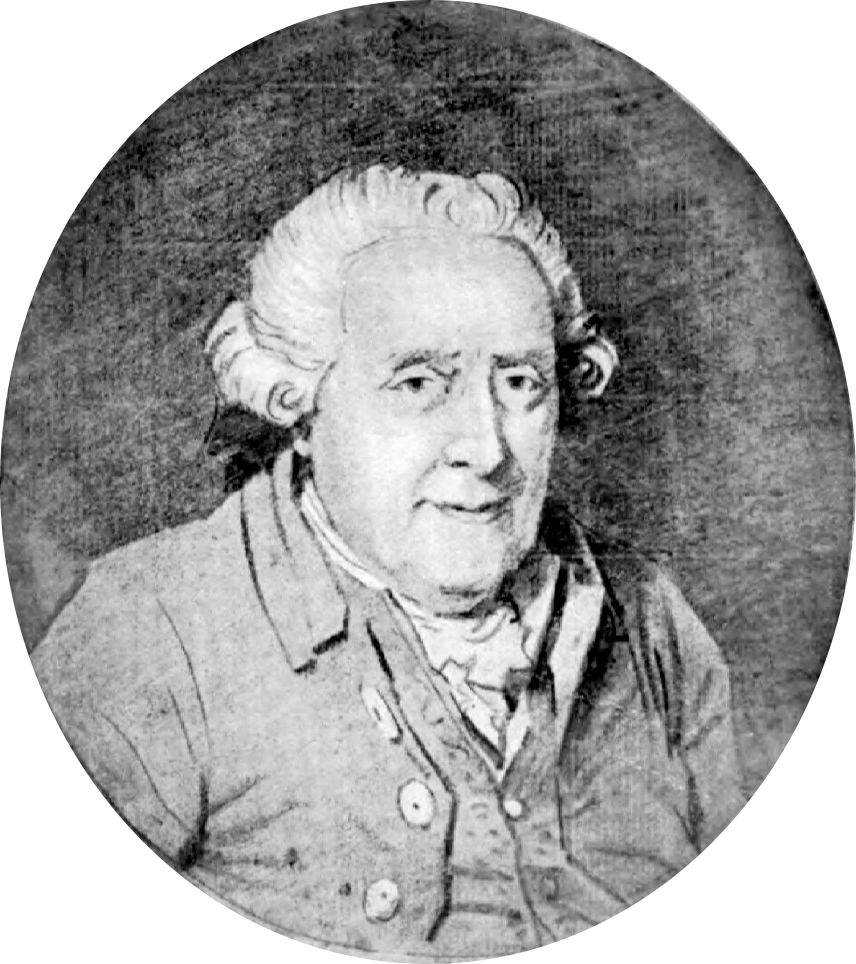
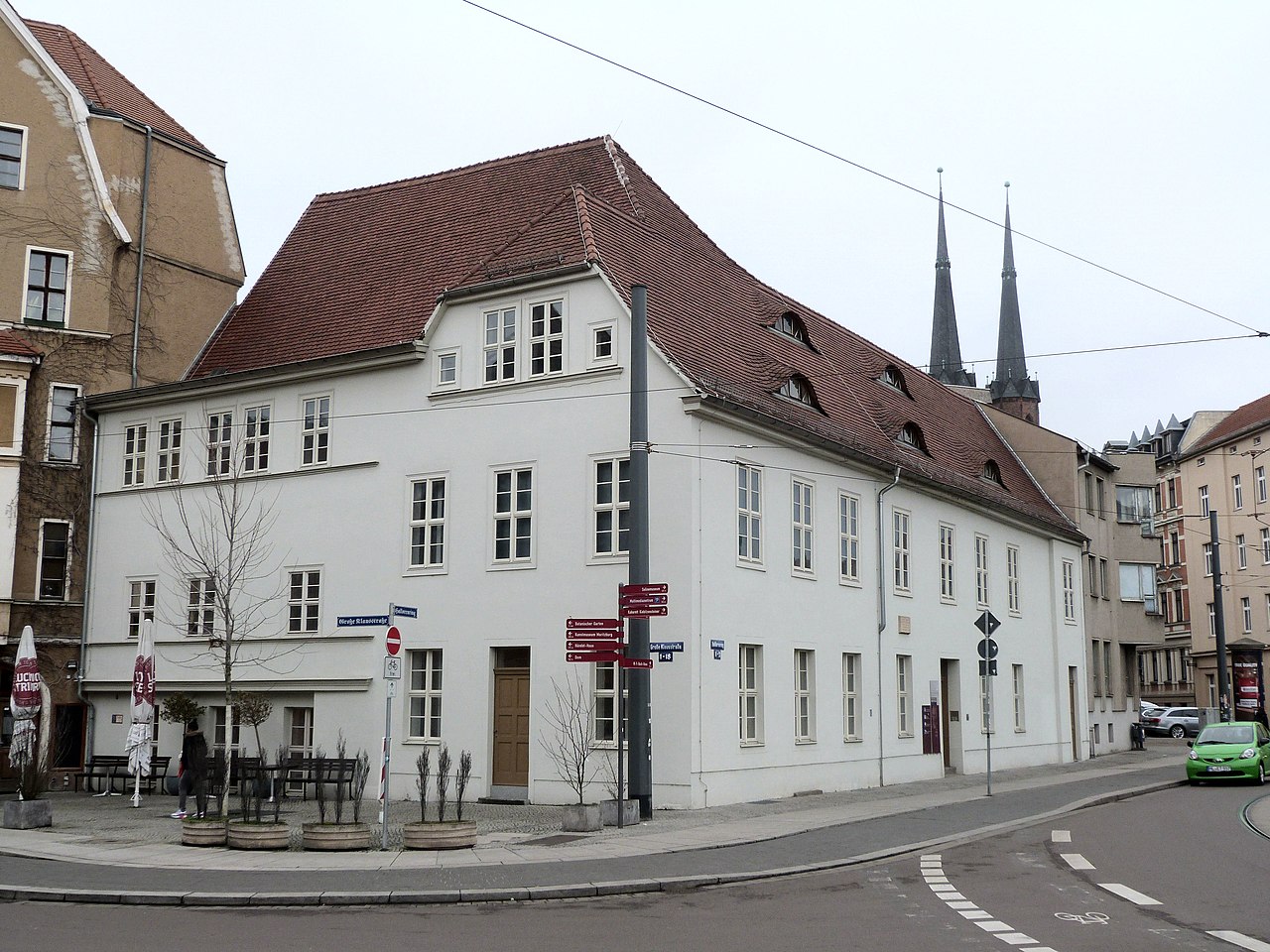

Early life and training
Born in Weimar, Wilhelm Friedemann received intensive instruction from his father, including lessons at the harpsichord and the pipe organ. Some of the material associated with his education appears in a family teaching collection often referred to as the "Notebook for Wilhelm Friedemann Bach," which contains exercises and pieces in growing difficulty as well as items by the young Wilhelm himself. The notebook contains forms such as allemandes and preludes, and documents the practical, hands‑on training typical of the Bach household. He also learned the violin and absorbed a broad musical apprenticeship in counterpoint and keyboard technique.
Professional appointments and compositional output
In 1733 Wilhelm Friedemann accepted a post in Dresden as organist at the Sophienkirche. During his Dresden years he composed numerous keyboard pieces, including several harpsichord concertos, sinfonias and chamber works such as trio sonatas and harpsichord sonatas. He issued his first printed works in the 1740s, attracting attention for their imaginative keyboard writing.
In 1746 he moved to Halle to serve as organist of the Liebfrauenkirche. This position brought greater pay and the responsibility to supply music for feast days and regular services, which led him to write a number of reusable sacred works, including church cantatas. His tenure in Halle lasted until the mid‑1760s and was marked by periodic disputes over duties and temperament. He occasionally visited Leipzig to address matters concerning his father’s estate, and this led to tensions with his employers when absences interfered with his responsibilities.
Style, strengths and reputation
Musically, Wilhelm Friedemann stands at a crossroads between the late Baroque complexity of his father's generation and the emerging galant style. His surviving works reveal contrapuntal skill, vivid harmonic language and a particularly strong gift for keyboard improvisation. Contemporaries admired his spontaneity and technical command at the instrument; modern scholars often note the expressive freedom and occasional idiosyncrasy of his compositions. Despite this, he could be uneven in producing copies or performing the music of others, and his mercurial nature affected professional relationships.
Later years and legacy
After leaving his Halle post following several public arguments and disputes, Wilhelm Friedemann did not secure another stable appointment and spent the final two decades of his life in precarious circumstances. He is generally described as having been effectively unemployed for long periods and living in relative poverty until his death in 1784. He inherited a substantial portion of his father’s manuscripts and at times attempted to promote or present some of that material in ways that later commentators have found ambiguous.
Today his contributions are valued for their individuality and their role in the transition from Baroque to early Classical practice. He left a body of keyboard works, concertos and church pieces that are performed and recorded, and his reputation rests on a combination of technical brilliance and an oft‑lamented lack of professional stability. He remains admired as an exceptional improviser and as a composer whose works reward renewed attention.
Selected categories and examples
- Positions: organist at the Sophienkirche (Dresden), organist at the Liebfrauenkirche (Halle).
- Keyboard music: harpsichord concertos, sonatas, sinfonias and shorter pieces.
- Sacred music: cantatas and service music intended for reuse on feast days.
- Notable traits: improvisational flair, contrapuntal skill, erratic career management.
For listeners and scholars interested in the immediate aftermath of J. S. Bach’s era, Wilhelm Friedemann's output provides a revealing, often personal bridge between family tradition and changing musical fashions of the 18th century. Further resources on his life and works can be found through general music histories and catalogues of 18th‑century keyboard repertoire.
References and further reading are available through standard musicological sources and online catalogues. For basic biographical summaries and lists of works see general composer entries or specialised studies on the Bach family.
More on his career · Harpsichord and pedagogy · Birthplace and family
Questions and answers
Q: Who was Wilhelm Friedemann Bach?
A: Wilhelm Friedemann Bach was a famous German composer and organist. He was born in Weimar and was the son of Johann Sebastian Bach, who taught him to play the harpsichord and organ.
Q: What did Johann Sebastian write for his son?
A: Johann Sebastian wrote some pieces and put them in a book called Notebook for Wilhelm Friedemann Bach. The book contained two allemandes and four preludes written by Wilhelm Friedemann.
Q: What instruments did he learn to play?
A: In addition to the harpsichord and organ, Wilhelm Friedemann also learned to play the violin.
Q: Where did he work as an organist?
A: In 1733, Wilhelm Friedemann was appointed as the organist at the Dresden Sophienkirche (St. Sophia's Church). Later on, he became organist of the Liebfrauenkirche at Halle in 1746.
Q: What type of music did he compose?
A: While living in Dresden, Wilhelm Friedemann composed various types of music including harpsichord concertos, sinfonias, trio sonatas, harpsichord sonatas, cantatas, and other smaller works for keyboard which he published in 1745.
Q: How did his father's death affect him?
A: After his father's death in 1750, Wilhelm Friedemann inherited a lot of his father's music which he tried to pass off as his own compositions. This caused him trouble with the church when he went to Leipzig to sort out his father's estate.
Q: Why did he leave his job at Halle?
A: After arguing with many people over several years due to passing off his father's music as his own compositions ,Wilhelm Freidemann left the job at Halle in 1764 remaining unemployed until his death due to poverty .
Author
AlegsaOnline.com Wilhelm Friedemann Bach Leandro Alegsa
URL: https://en.alegsaonline.com/art/132860