
Wilbur Ross: Investor, Restructurer, and U.S. Commerce Secretary
Profile of Wilbur Ross (b.1937), financier known for buying distressed companies and serving as U.S. Secretary of Commerce (2017–2021). Covers career, investment style, policy role, and controversies.
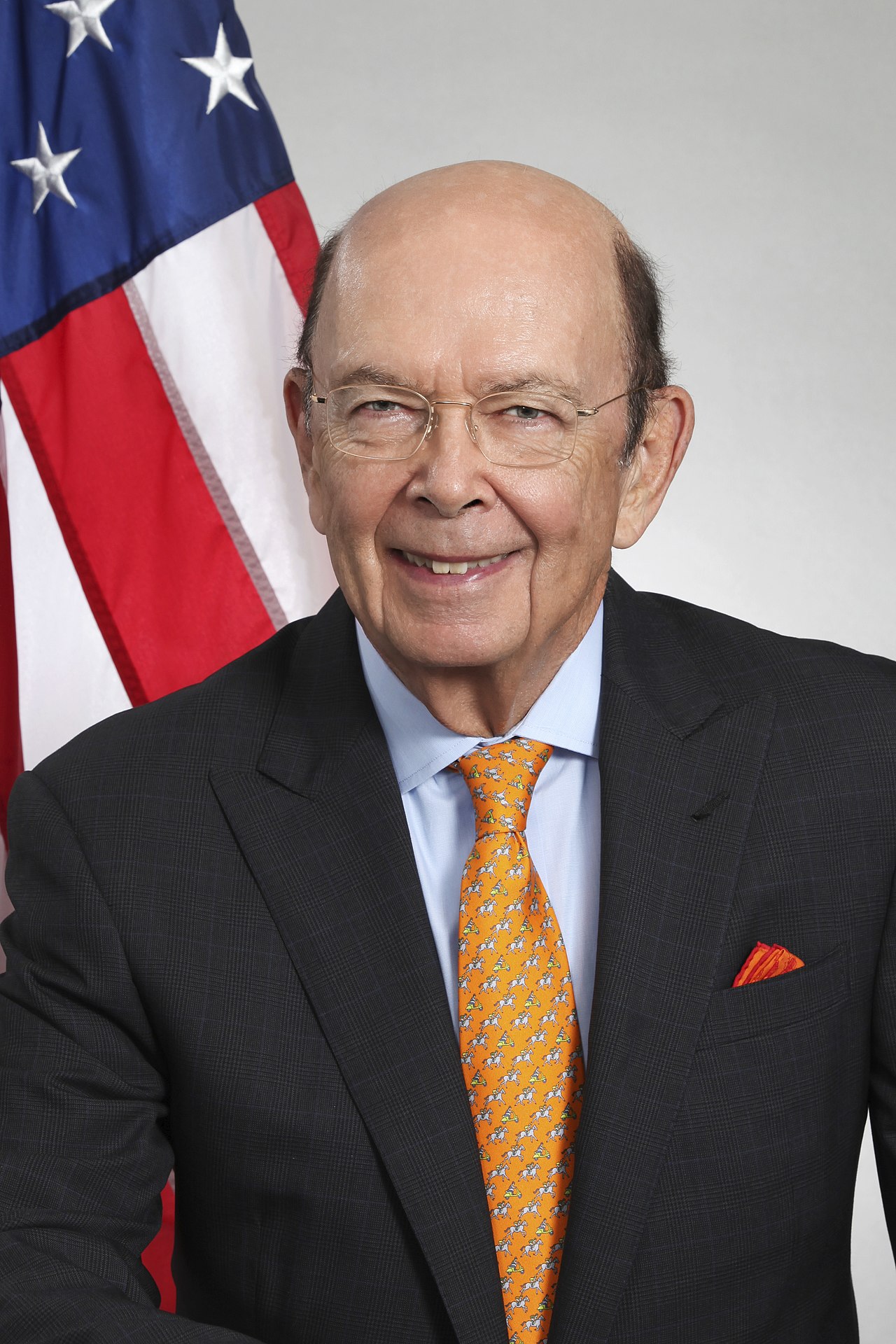
Wilbur Louis Ross Jr. (born November 28, 1937) is an American investor and former government official best known for his work buying and reorganizing troubled firms and for serving as the 39th United States Secretary of Commerce from February 2017 to January 2021. Over several decades he built a reputation in the financial world for acquiring distressed assets, particularly in older industrial sectors, and attempting to return them to profitability.
Image gallery
9 Images



Background and career
Ross studied at Yale University and later earned an M.B.A. from Harvard Business School. He spent early years in investment banking and then focused on distressed investing—buying companies in or near bankruptcy and restructuring them. He founded and ran investment firms that specialized in the purchase of underperforming assets and corporate turnarounds, operating across manufacturing, metals and other capital-intensive industries.
Investment approach and sectors
Nicknamed the "King of Bankruptcy," Ross favored deep-value acquisitions and active operational restructuring. His firms typically sought controlling stakes in companies facing financial distress and pursued measures such as debt renegotiation, asset sales, and management changes. Much of his activity involved legacy sectors of the U.S. economy, including steel, coal, textiles, and parts of telecommunications and shipping. He also engaged in transactions with international dimensions and monitored foreign investment trends when assessing opportunities.
Tenure as Commerce Secretary
As Commerce Secretary, Ross played a role in shaping trade and industrial policy during the Trump administration. His term involved trade enforcement measures, participation in trade negotiations, and high-profile subjects such as tariffs and import restrictions tied to national security reviews. The department under his leadership also became involved in litigation and public debate over proposals related to the U.S. census and the administration’s data-collection priorities.
Ross’s public service period drew attention to potential conflicts between private holdings and federal duties; his finances and disclosures were the subject of scrutiny and news reporting. Supporters credited him with bringing private-sector experience to government; critics argued that his past investing raised questions about regulatory impartiality.
Legacy and notable points
- Reputation: Known for expertise in distressed asset investing and corporate turnarounds.
- Industries: Frequent investments in heavy industry—steel, coal, textiles—and other declining sectors.
- Public office: Served as U.S. Secretary of Commerce (2017–2021), influencing trade and industrial policy.
- Controversy: Subject to debate over ethics, conflicts of interest, and policy impact while in office.
Ross remains a prominent example of the crossover between high finance and public policy in the early 21st century: his career illustrates how distressed-asset investment strategies can reshape companies and how private-sector experience can be mobilized within government, for better or worse, depending on perspective.
Questions and answers
Q: Who is Wilbur Ross?
A: Wilbur Ross is an American politician, investor, businessman and former banker.
Q: What position did Ross hold in the United States government?
A: Ross served as the 39th United States Secretary of Commerce from February 28, 2017 to January 20, 2021.
Q: Why is Ross known as the "King of Bankruptcy"?
A: Ross is known as the "King of Bankruptcy" because of his experience in buying bankrupt companies, primarily in the manufacturing and steel industries, and later selling them for a large profit after operations improve.
Q: In what types of industries did Ross restructure failed companies?
A: Ross was known for restructuring failed companies in industries such as steel, coal, telecommunications, foreign investment and textiles.
Q: What is Ross's background?
A: Ross is a former banker who has experience in investing and business.
Q: What is Ross's expertise?
A: Ross's expertise lies in buying bankrupt companies and restructuring them for a profit.
Q: What is Ross's birthdate?
A: Ross was born on November 28, 1937.
Author
AlegsaOnline.com Wilbur Ross: Investor, Restructurer, and U.S. Commerce Secretary Leandro Alegsa
URL: https://en.alegsaonline.com/art/132852