
Wayne Allard (American politician)
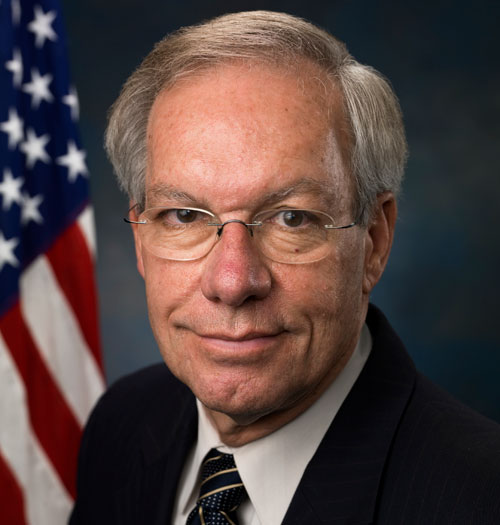
Wayne Allard is an American veterinarian and Republican who represented Colorado in the U.S. House (1991–1997) and Senate (1997–2009). He focused on rural and agricultural issues and took conservative social positions.
Overview
Wayne Allard is an American politician and veterinarian who served as a Republican member of the U.S. Congress from Colorado. He represented his state in the U.S. House of Representatives in the 1990s and was a U.S. Senator from 1997 until 2009. During his time in Washington he was known for championing rural, agricultural and constituent-focused issues while taking conservative positions on social matters.
Image gallery
2 Images
Early life and education
Allard was born on December 2, 1943, in Fort Collins, Colorado. He attended Colorado State University, where he received professional training that prepared him for a career in veterinary medicine. Prior to elected office he practiced as a veterinarian and remained connected to agricultural and rural communities in Colorado.
Political career
Allard's rise to national office followed local and state involvement. He won election to the U.S. House of Representatives and served from 1991 to 1997. In 1996 he was elected to the U.S. Senate as a member of the Republican delegation from Colorado, beginning his Senate term in 1997 and serving two full terms until 2009.
- U.S. Representative: 1991–1997
- U.S. Senator: 1997–2009
Policy focus and notable positions
Throughout his tenure Allard emphasized issues important to rural constituents and the agricultural sector, such as land management, natural resources and rural health care. He generally aligned with conservative fiscal and social policies. In 2003 he supported federal measures aimed at defining marriage at the national level in ways that would prevent recognition of same-sex unions, an effort that attracted significant attention and debate.
Controversies and public perception
Allard's relatively low-profile style in the Senate drew criticism as well as praise from different quarters. In April 2006 Time magazine included him on a list of senators it judged to be ineffective, using the label "The Invisible Man" in that context. Supporters argued he remained effective for constituents even if he did not seek national headlines.
Later life and legacy
After leaving the Senate in 2009, Allard retired from elective office. He is married to Joan Malcolm and they have two children. Observers of Colorado politics note his career as an example of a lawmaker whose priorities were shaped by professional roots in veterinary medicine and by long ties to rural communities. His record is often discussed in the context of late 20th- and early 21st-century Republican approaches to social and agricultural policy.
For more background on Allard's career and the political debates in which he participated, see resources on the Republican Party, Colorado's congressional delegation, debates over same-sex marriage, and retrospective coverage such as that from Time.
Key reference points: birthplace (Fort Collins), education (Colorado State University), House service (U.S. House), Senate service (Colorado, Republican).
Questions and answers
Q: Who is Wayne Allard?
A: Wayne Allard is a former Republican U.S. Senator from Colorado who served in the United States Senate from 1997 to 2009.
Q: What is Wayne Allard's political affiliation?
A: Wayne Allard is a Republican.
Q: When did Wayne Allard try to make same-sex marriage illegal?
A: Wayne Allard tried to make same-sex marriage illegal in 2003.
Q: What was Wayne Allard's position before becoming a U.S. Senator?
A: Wayne Allard was in the United States House of Representatives from 1991 to 1997.
Q: Why did Time call Wayne Allard "The Invisible Man"?
A: Time called Wayne Allard "The Invisible Man" because of his low public profile and lack of notable accomplishments in the Senate.
Q: When and where was Wayne Allard born?
A: Wayne Allard was born on December 2, 1943 in Fort Collins, Colorado.
Q: How many children does Wayne Allard have?
A: Wayne Allard and his wife Joan Malcolm have two children.
Author
AlegsaOnline.com Wayne Allard (American politician) Leandro Alegsa
URL: https://en.alegsaonline.com/art/132787